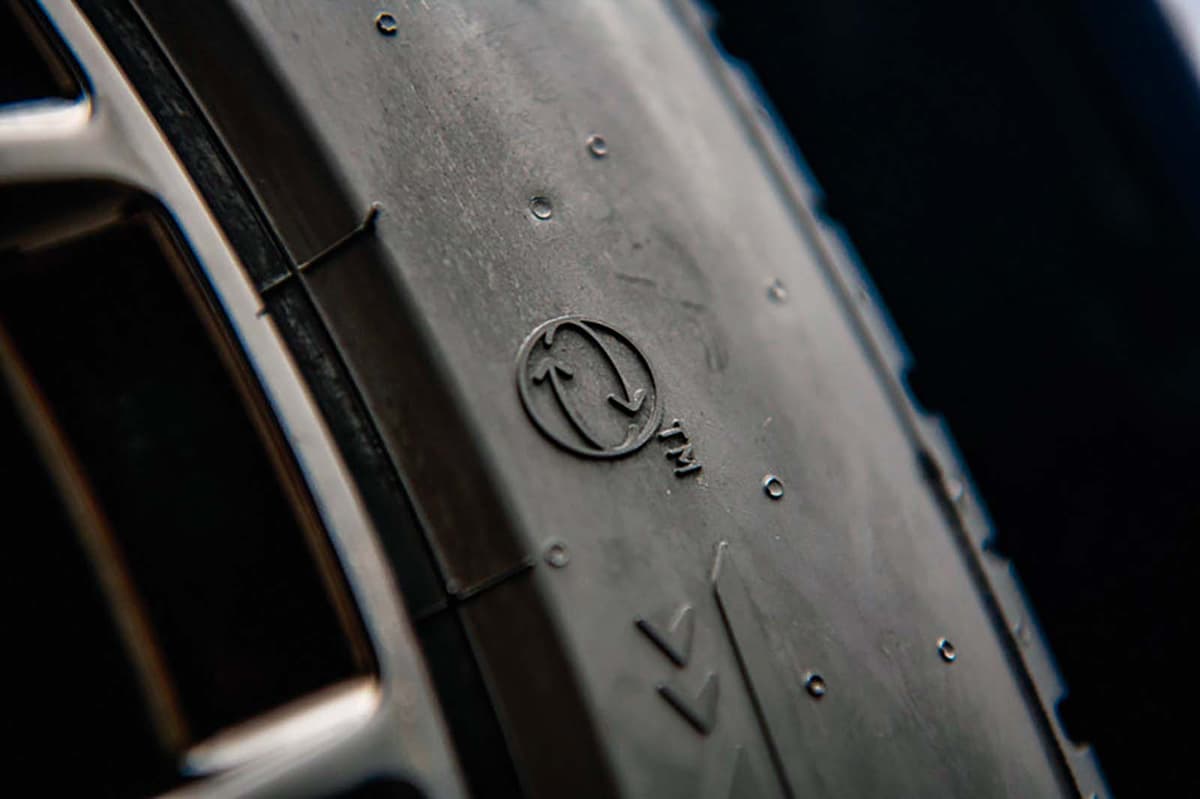
Your Next Tyres Could Be Made From Orange Peels and Plastic
Companies Mentioned
Why It Matters
The move reduces reliance on fossil‑derived fillers and cuts tyre waste, positioning the industry for tighter environmental regulations and growing consumer demand for greener mobility solutions.
Key Takeaways
- •Pirelli's new P Zero tyre contains 70% bio‑based or recycled materials.
- •Continental blends bio‑oil and pyrolysis oil to replace fossil carbon black.
- •Rice‑husk silica now used by multiple brands, cutting reliance on quartz.
- •FSC‑certified natural rubber target set for all European Pirelli factories by 2025.
Pulse Analysis
Tyre production has long been a hidden source of environmental strain, with each wheel comprising over 200 components, many derived from crude‑oil based carbon black and quartz‑derived silica. As global regulators tighten end‑of‑life waste standards, manufacturers are scrambling to redesign the tread and sidewall chemistry. The latest wave of innovation replaces these high‑impact fillers with renewable alternatives, dramatically lowering the carbon footprint of a product that traditionally sees limited recycling.
At the heart of the transformation are bio‑derived oils and pyrolysis oil, which mimic the reinforcing properties of conventional carbon black without the fossil input. Continental’s mass‑balance approach blends tall‑oil from coniferous trees and oil recovered from shredded tyres, while Pirelli’s P Zero incorporates rice‑husk silica—a by‑product of Asian agriculture—alongside recycled steel and bio‑circular polymers sourced from used cooking oil. These bio‑resins act as plant‑based plasticisers, fine‑tuning wet and dry grip performance to meet high‑speed standards.
The commercial implications are significant. Automakers such as Jaguar Land Rover are already specifying these greener tyres for premium models, signaling market validation. As consumers become more climate‑aware, tyre brands that can certify sustainable raw materials—like Pirelli’s FSC‑certified rubber goal—gain a competitive edge. Looking ahead, broader adoption of circular‑economy principles could reshape supply chains, drive down raw‑material costs, and help the industry meet upcoming EU and US emissions targets, making eco‑tyres a mainstream rather than niche offering.
Your next tyres could be made from orange peels and plastic
Comments
Want to join the conversation?
Loading comments...