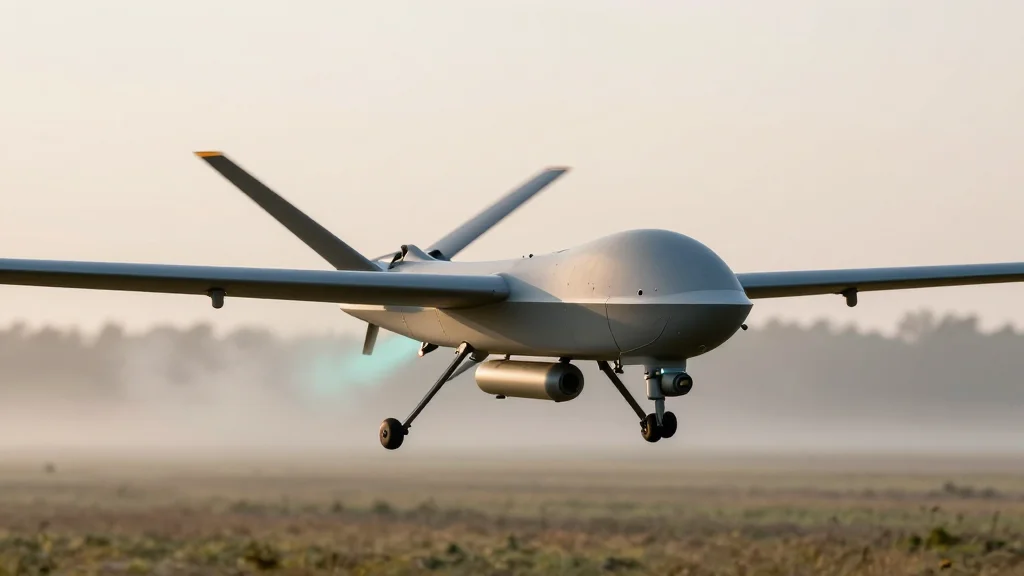
Zero-Emission Drone News From Ukraine: Flying Fuel Cells & Green Hydrogen
Why It Matters
Fuel‑cell drones give Ukraine a low‑observable, long‑endurance ISR platform while green‑hydrogen projects position the country as a strategic energy exporter to Europe, reshaping regional security and energy markets.
Key Takeaways
- •Skyeton's hybrid Raybird UAV achieved 10‑hour fuel‑cell flight
- •Fuel‑cell drones operate from –35 °C to +55 °C, matching ICE range
- •On‑site hydrogen generator enables cartridge‑style refueling for field ops
- •Ukraine targets green hydrogen export; 2‑MW electrolyzer to run in 2025
- •Europe sees Ukraine as renewable hydrogen source, competing with Morocco
Pulse Analysis
Ukraine’s push toward hydrogen‑fuel‑cell drones reflects a broader shift in military aviation toward quieter, longer‑lasting platforms. Skyeton’s Raybird hybrid, after a two‑year R&D sprint, now flies combat missions with a 10‑hour endurance and a temperature envelope that rivals its gasoline counterpart. By eliminating the high‑temperature exhaust and acoustic signature of internal‑combustion engines, the UAV gains a tactical edge in contested airspaces, while the modular hydrogen‑cartridge system promises rapid turnaround in forward operating bases.
Beyond the battlefield, Ukraine is leveraging its abundant wind, solar and biomass resources to develop a domestic green‑hydrogen industry. The recent delivery of a 2‑megawatt electrolyzer, funded in part by a German grant, will begin production next year, feeding hydrogen into both export pipelines and on‑site generators for drone refueling. This approach sidesteps volatile global fuel markets and aligns with EU decarbonisation goals, offering a renewable power source that can be produced close to the point of use.
The European hydrogen market, however, is competitive. Morocco’s desert‑scale solar projects already promise lower capital costs, while Ukraine faces high financing rates and water‑availability challenges exacerbated by wartime damage. Still, its existing gas‑pipeline network and underground storage provide a conversion pathway for green hydrogen, enhancing export viability. As the International Energy Agency notes, Ukraine’s renewable capacity outpaces Germany’s but trails Morocco’s, making policy support and investment crucial for the country to become a reliable hydrogen corridor to Europe.
Zero-Emission Drone News From Ukraine: Flying Fuel Cells & Green Hydrogen
Comments
Want to join the conversation?
Loading comments...