Zipline Grows Texas Footprint as Drone Delivery Scales
Companies Mentioned
Why It Matters
The expansion demonstrates that autonomous drone logistics are moving from pilot projects to core fulfillment infrastructure, reshaping last‑mile delivery in major U.S. markets.
Key Takeaways
- •Zipline adds new restaurant and retail partners in Rowlett, Texas.
- •Service now covers 25+ DFW locations, including parks and university campus.
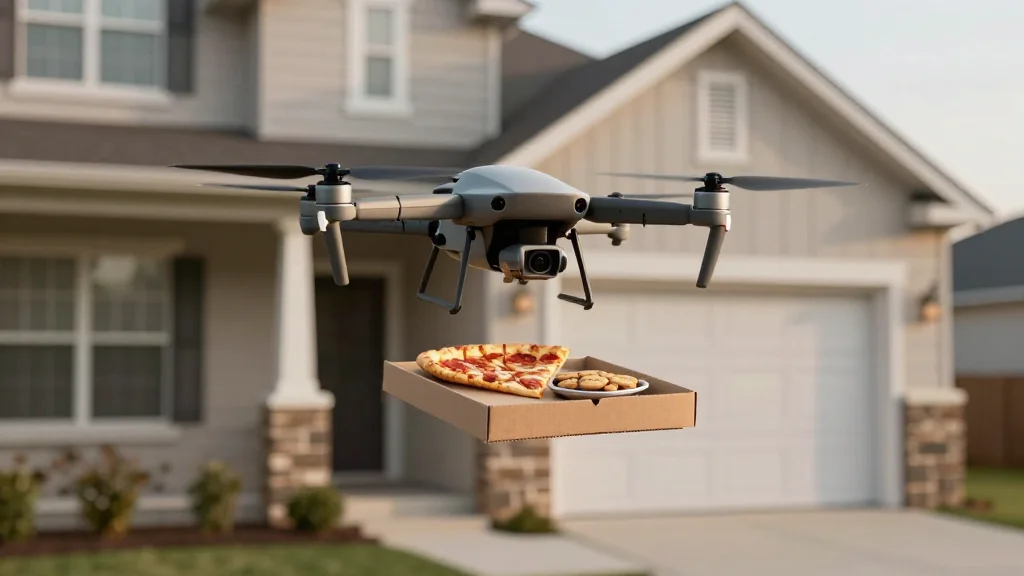
- •Drones deliver to yards or patios via external Dropbox pickup points.
- •Thousands of daily deliveries signal shift to embedded autonomous logistics.
Pulse Analysis
Zipline’s latest push into Rowlett underscores how drone delivery is maturing beyond experimental trials. By integrating a diverse roster of national brands like Walmart and Little Caesars with local eateries, the company creates a dense aerial network that can serve both high‑volume chains and niche concepts. The yard‑and‑patio drop‑off model sidesteps traditional doorstep congestion, leveraging external Dropbox stations that streamline handoffs and reduce human labor. This operational nuance is key to achieving the thousands‑of‑deliveries‑per‑day cadence Zipline reports across the DFW area.
The competitive landscape is heating up as Wing, Flytrex, DroneUp and Matternet all vie for market share in the United States. Each player brings distinct hardware capabilities—Flytrex’s Sky2 can haul nearly nine pounds over four miles—while Zipline focuses on a broader geographic footprint and a plug‑and‑play logistics layer that sits alongside conventional couriers. This convergence is turning drone delivery from a novelty into a parallel logistics channel, prompting retailers to embed autonomous aerial routes into their supply chains rather than treating them as optional add‑ons.
For consumers, the shift promises faster, more flexible fulfillment, especially in suburban settings where yard access is common. Regulators are also paying closer attention, balancing safety concerns with the economic benefits of reduced road traffic and emissions. As Zipline and its rivals scale, the industry is likely to see standardized airspace protocols and broader public acceptance, paving the way for drone delivery to become an everyday staple across multiple states by 2026.
Zipline Grows Texas Footprint as Drone Delivery Scales
Comments
Want to join the conversation?
Loading comments...