The New Warehouse
Being a Food Whisperer: How Lineage Applies Inside the Box Thinking in Food Logistics
Why It Matters
Food safety in logistics directly impacts consumer health, brand reputation, and regulatory risk, making it a critical focus for any company handling perishable goods. As e‑commerce and meal‑kit demand surge, warehouses must adopt advanced tech and precise micro‑climate control to stay competitive and meet heightened consumer expectations for transparency and quality.
Key Takeaways
- •Lineage operates 250 U.S. cold storage sites worldwide.
- •Value‑added services increase food safety risks and complexity.
- •Real‑time traceability requires integrated WMS and supplier data.
- •Microclimate management inside boxes preserves product quality.
- •Legacy facilities need tech upgrades and specialized staff training.
Pulse Analysis
Lineage Logistics has become a dominant force in cold‑storage logistics, operating roughly 250 U.S. facilities across 20‑plus countries and handling millions of pounds of perishable goods each year. Originally a simple third‑party warehouse for frozen foods, the company now offers a suite of value‑added services—blast‑freezing, repackaging, meal‑kit assembly, and cross‑border export—that turn storage sites into miniature food‑processing plants. This evolution reflects a broader industry shift toward “inside the box” thinking, where every product’s temperature profile and microclimate dictate handling decisions. By treating each pallet as a living commodity, Lineage protects brand equity while meeting rising consumer expectations for freshness and safety.
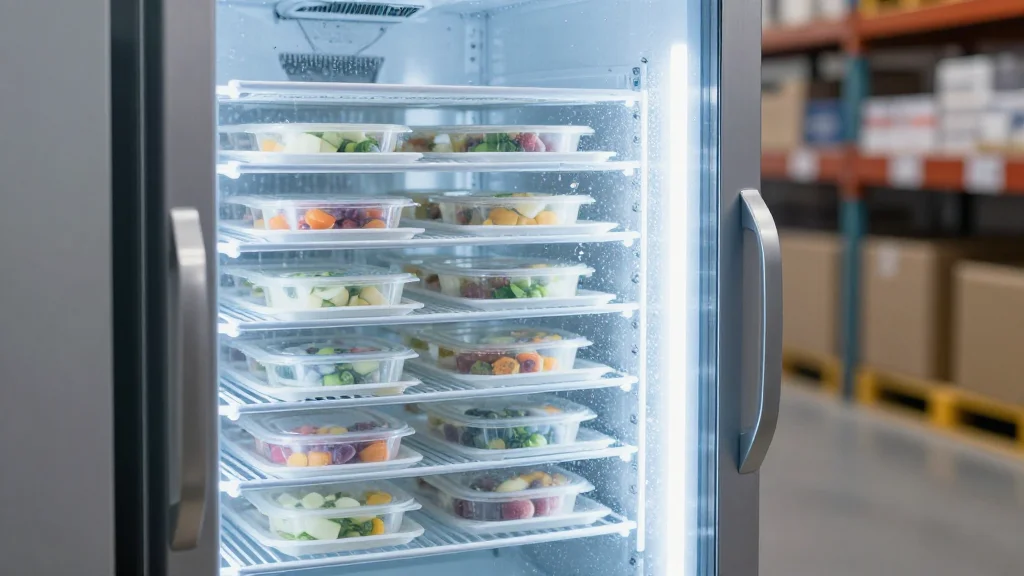
Delivering food safety in a cold‑storage environment presents unique hurdles. Many of Lineage’s warehouses were built decades ago, with static refrigeration systems that cannot easily accommodate floor drains, segregated zones, or rapid temperature swings. Maintaining precise microclimates for diverse items—from ice cream at –22 °F to fresh produce at +3 °F—requires sophisticated sensors, automated controls, and rigorous sanitation protocols. Moreover, workers accustomed to traditional forklift operations must be retrained to handle food‑contact tasks without contaminating products. Regulatory pressures from the FDA and the need for full traceability add layers of documentation, record‑keeping, and continuous improvement that drive both cost and complexity.
Technology is the linchpin that turns these challenges into competitive advantage. Lineage leverages an integrated warehouse management system capable of ingesting real‑time data from scanners, IoT temperature probes, and supplier ERP feeds, creating a single source of truth for every SKU. This enables end‑to‑end traceability, satisfying FDA mandates and consumer demand for provenance information. Collaborative software bridges between disparate supplier systems ensure that at least 80 % of critical data elements are captured, while custom APIs handle the remaining gaps. As the e‑commerce and meal‑kit markets expand, such data‑driven, inside‑the‑box approaches will define the next generation of food‑safe logistics.
Episode Description
In this episode of The New Warehouse Podcast, Kevin chats with Dr. Stephen Neel of Lineage about what it really takes to manage food safely at scale. Lineage operates one of the world’s largest temperature-controlled warehouse networks, but this conversation makes it clear they see themselves as much more than cold storage.
Dr. Neel walks through how food behaves differently from other products, why microclimates matter, and how traceability is reshaping operations. More importantly, he introduces a mindset shift that challenges how most warehouses think about efficiency, risk, and responsibility.
Learn more about our sponsors here: Ocado Intelligent Automation, MPC & IFS Softeon
Follow us on LinkedIn and YouTube.
Support the show
Comments
Want to join the conversation?
Loading comments...