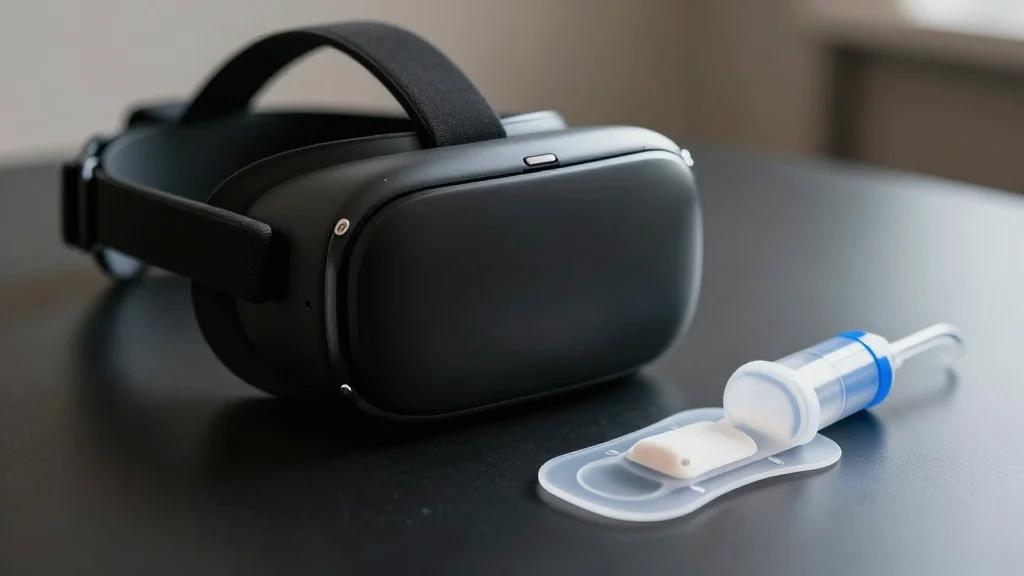
Effect of Virtual Reality on Acute Stress Response and Discomfort During Vacuum-Assisted Closure (VAC) Dressing Changes: A Protocol for Randomized Controlled Trial
Why It Matters
If VR proves effective, clinicians gain a drug‑free tool to curb pain and anxiety during painful wound‑care procedures, potentially improving patient outcomes and reducing opioid reliance.
Key Takeaways
- •RCT tests immersive VR vs standard care for VAC dressing changes.
- •Primary outcomes: heart rate, blood pressure, cortisol levels.
- •1:1 allocation; trial registered on ClinicalTrials.gov.
- •Anticipated benefit: reduced pain, anxiety, and physiological stress.
- •Could set precedent for non‑pharmacologic pain control in ICU.
Pulse Analysis
Virtual reality is moving beyond entertainment into clinical care, offering a distraction‑based approach that can modulate the body’s stress response. In the context of vacuum‑assisted closure dressing changes—a procedure known for provoking pain, anxiety, and spikes in heart rate and cortisol—VR provides an immersive environment that may blunt the "fight or flight" cascade. By measuring objective physiological markers alongside patient‑reported discomfort, the trial seeks robust evidence that a headset can stabilize hemodynamics without additional medication.
The study’s design follows best‑practice standards for clinical research, featuring a parallel‑group, superiority framework with equal allocation and pre‑registration on ClinicalTrials.gov. Primary endpoints focus on quantifiable stress indicators: tachycardia, hypertension, and cortisol secretion. Secondary outcomes will likely capture subjective pain scores and satisfaction, creating a comprehensive picture of VR’s impact. If the VR arm demonstrates statistically significant reductions, the findings could justify integrating headsets into ICU protocols, where rapid, low‑risk interventions are prized.
Beyond the immediate clinical implications, successful results could catalyze broader adoption of digital therapeutics across wound‑care and procedural specialties. Hospitals may see cost savings from decreased analgesic use and shorter procedure times, while patients benefit from a more tolerable experience. However, scalability hinges on device hygiene, staff training, and reimbursement pathways. As healthcare embraces technology‑driven solutions, this trial stands to inform policy, guide investment, and shape the next wave of non‑pharmacologic pain management strategies.
Effect of Virtual Reality on Acute Stress Response and Discomfort During Vacuum-Assisted Closure (VAC) Dressing Changes: A Protocol for Randomized Controlled Trial
Comments
Want to join the conversation?
Loading comments...