Key Takeaways
- •Steel armor increased survivability but reduced speed
- •Resource shortages forced steel adoption in WWII aircraft
- •Integrated steel structures acted as load‑bearing frames
- •Post‑war shift to aluminum ended steel airframes
- •Steel‑rich designs illustrate trade‑offs in aircraft engineering
Pulse Analysis
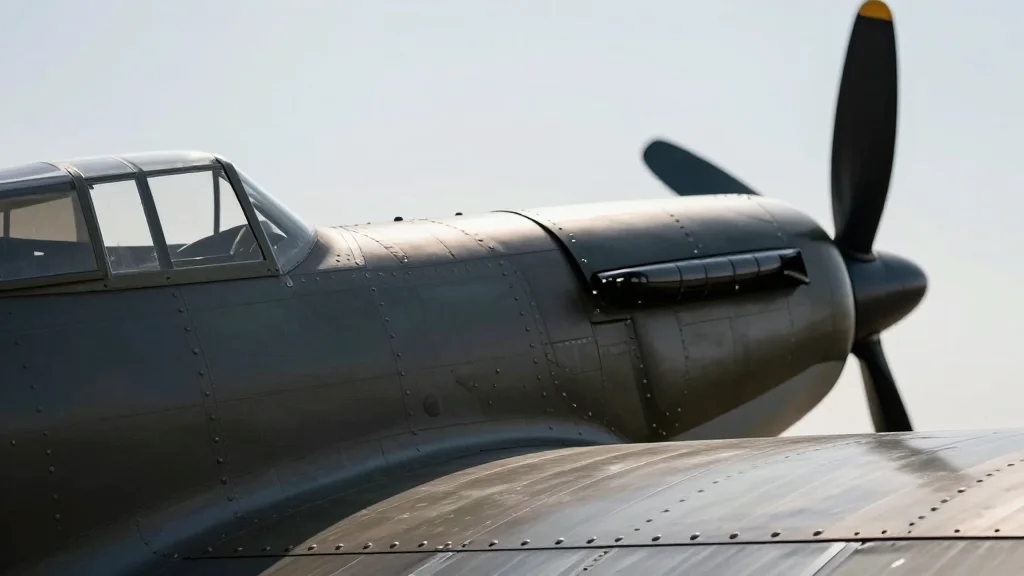
During the two world wars, aircraft manufacturers faced acute shortages of aluminium and high‑grade alloys, prompting a pragmatic turn to steel—a material abundant, inexpensive, and familiar to heavy‑industry workers. German ground‑attack planes such as the Henschel Hs 129 and the Soviet Ilyushin Il‑2 incorporated steel armoured tubs that protected crew, engines, and fuel tanks from small‑arms fire. Even unconventional weapons like the Fieseler Fi 103R “Reichenburg” relied on welded steel to survive the vibration of a pulse‑jet, while the British Albemarle and American Budd Conestoga used steel tube frames and stainless‑steel skins to keep production lines moving despite aluminium rationing.
The engineering consequences of substituting steel for aluminium were stark. Steel’s superior tensile strength allowed it to serve as a load‑bearing element, eliminating the need for separate aluminium frames in aircraft such as the Il‑2, where the armoured shell carried structural loads. However, steel’s density—approximately three times that of aluminium—added significant weight, curbing top speed, climb rate, and range. Designers mitigated these penalties by limiting steel to high‑stress zones, employing mixed‑material constructions, or accepting reduced performance in exchange for survivability, a trade‑off evident in the Sopwith Salamander’s 35 % steel composition.
Modern aerospace has largely abandoned steel airframes in favour of aluminium alloys, titanium, and carbon‑fibre composites, yet the wartime experiments offer enduring lessons. They illustrate how material availability can dictate design philosophy, and how integrated structural armour can enhance durability without excessive weight when paired with advanced composites. Contemporary programs exploring hybrid metal‑composite skins echo the same balance‑of‑strength‑and‑weight considerations that drove the steel‑rich aircraft of the 1940s. Understanding these historical compromises helps engineers anticipate supply‑chain disruptions and evaluate unconventional material choices in today’s rapidly evolving aviation market.
10 Steel Marvels of Aviation
Comments
Want to join the conversation?