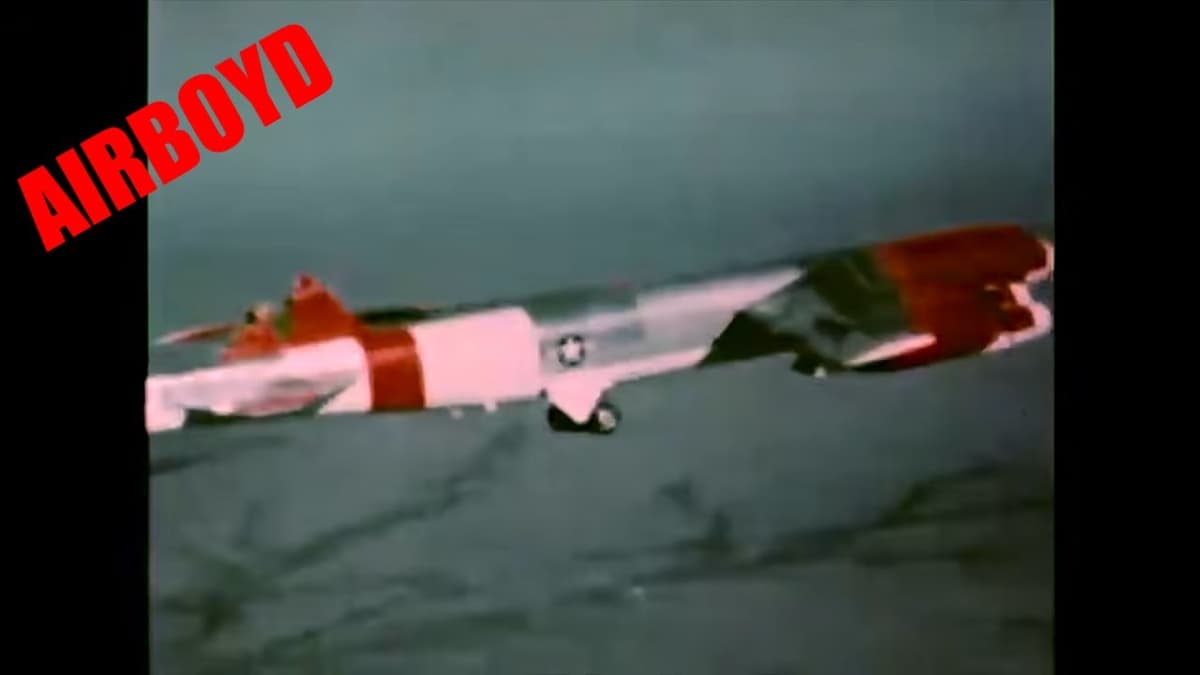
Groundwork For Understanding Severe Turbulence (Gust) • Boeing, Wichita, Kansas
The video chronicles a decade‑long Boeing effort to grasp the dangers of low‑level turbulence, from early gust‑boom experiments in the 1950s to a near‑catastrophic B‑52 encounter in 1964. Jack Fong details how initial programs suffered from limited instrumentation and seasonal bias, prompting a shift toward more sophisticated data acquisition as aircraft missions demanded terrain‑following flight at ever‑lower altitudes. Key insights include the stark contrast between early gust‑boom data—restricted to 30‑35 ft/s winds—and modern recordings that capture gusts up to 120 ft/s. After the B‑52 lost its vertical stabilizer, Boeing equipped test aircraft with high‑fidelity accelerometers, gyros, and pressure probes, enabling precise Earth‑reference gust velocity calculations. Subsequent F‑106 flights logged over 90 hours, revealing 350 gusts in the 40‑60 ft/s range and 80 gusts between 60‑120 ft/s, with onset rates exceeding 500 ft/s². Notable moments include the pilot’s emergency response to a nine‑second, 100 ft/s lateral gust that sheared the B‑52’s tail, and the visual documentation of extreme structural deflections captured by gun‑cameras on escort fighters. The data’s richness—spanning multiple terrains, seasons, and aircraft types—underscores turbulence severity far beyond prior forecasts. The implications are clear: without coordinated, season‑spanning testing and advanced miniaturized sensors, aircraft design and low‑altitude tactics remain vulnerable. Boeing urges the military to integrate weather agencies, map turbulence to topography, and develop analytical models that will safeguard future high‑performance platforms.

SpaceX Prepares for Largest IPO in History: What Should We Expect? | FT #shorts
SpaceX has filed an S-1 ahead of a potential IPO that could value the company at about $1.7 trillion, a listing that would likely make Elon Musk the world’s first trillionaire given his near-85% voting control. The prospectus lays out...
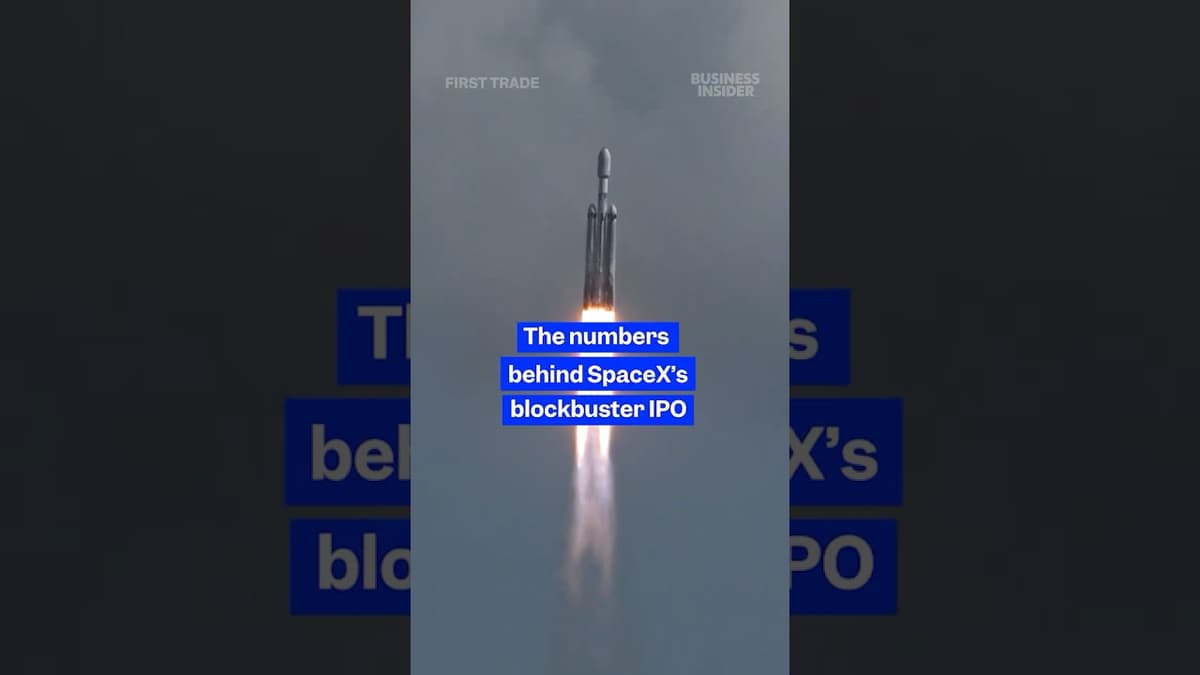
Why #SpaceX Could Soon Be Worth $2 Trillion #ElonMusk #stocks #IPO
SpaceX, Elon Musk’s aerospace venture, filed its initial public offering prospectus on Wednesday, signaling the company’s transition from private launch provider to publicly traded giant. The filing outlines a projected post‑IPO valuation between $1.5 trillion and $2 trillion, placing SpaceX among the...
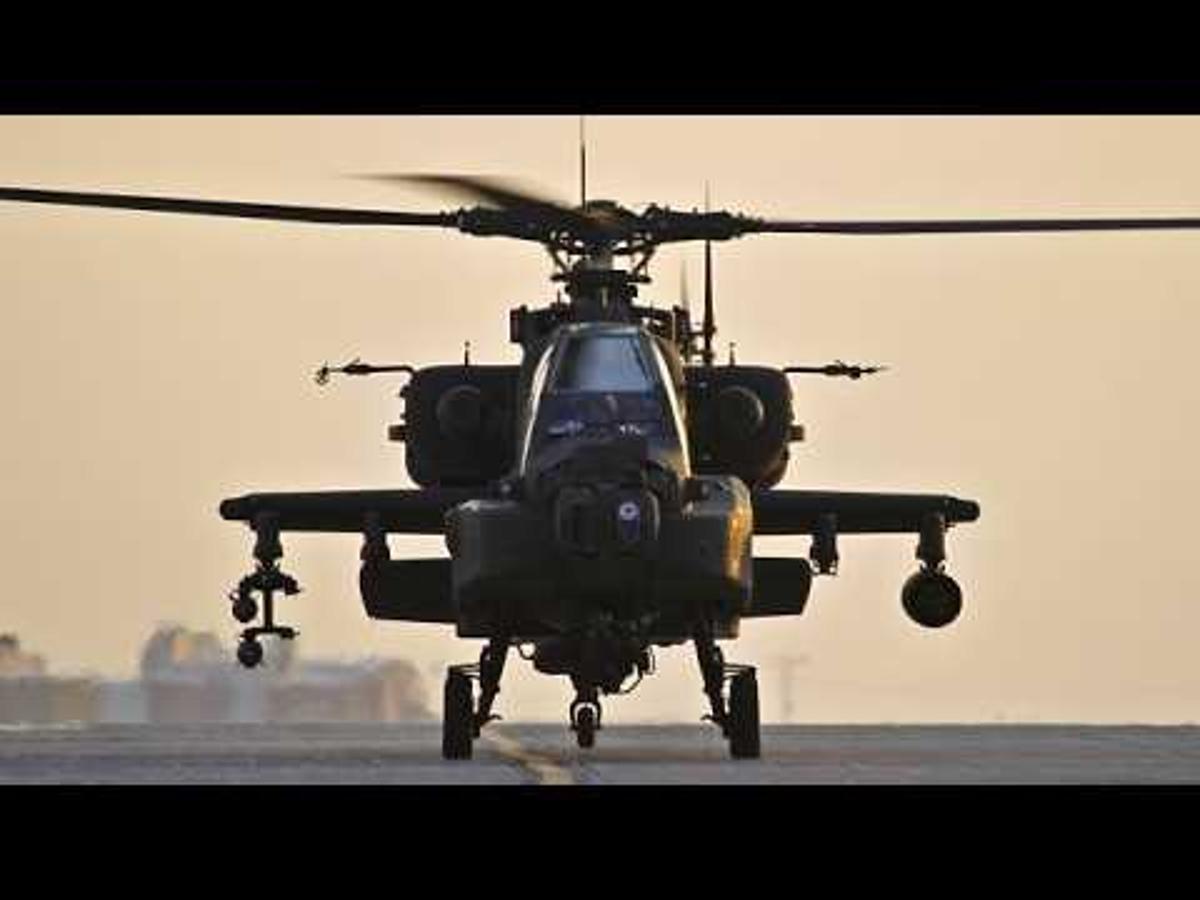
Pentagon Considers Restoring Army Aviation Cuts
The Pentagon is reevaluating the Army’s recent aviation budget reductions that slashed purchases of Apache attack helicopters, Black Hawk utility helicopters and Chinook heavy‑lift aircraft. The cuts were part of the 2024 Aviation Transformation Initiative, which also cancelled the Future...

The Mind Of A Pilot: Alcohol And The Brain
The video explains how alcohol quickly enters the brain, potentiates GABA receptors, and reduces activity across frontal lobes, hippocampus, cerebellum and the vestibular system—impairing judgment, memory, coordination and spatial orientation. These cognitive and sensorimotor deficits can persist 8–24 hours after...
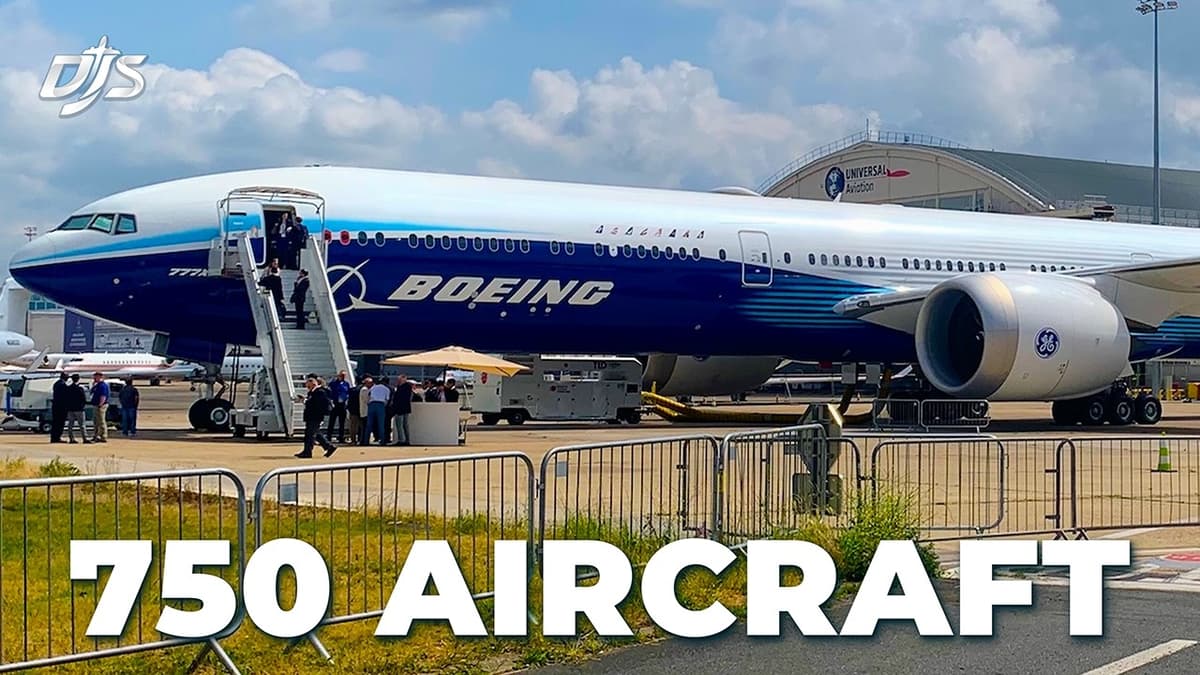
750 Boeing Aircraft To Be Ordered
President Donald Trump floated a possible 750‑aircraft purchase by China, building on a confirmed 200‑jet order that marks Boeing’s first sizable deal with the market in nearly a decade. The announcement underscores a tentative thaw in U.S.–China trade relations after...

Interstellar Space Travel (Full Episode) | Startalk | National Geographic
The StarTalk episode, hosted by Neil deGrasse Tyson with guests Lawrence Krauss and former astronaut Mae Jemison, tackles the audacious goal of interstellar travel. It frames the conversation around humanity’s desire to move beyond the solar system and the practical...

What Went Wrong With Southwest’s New Boarding
Southwest Airlines abandoned its iconic open‑seating ritual on Jan. 27, launching assigned seats and an eight‑group boarding sequence to support new paid‑seat products and customer‑research‑backed preferences. The rollout coincided with the introduction of four fare bundles, three cabin classes, expanded Rapid Rewards...

The Airline Europe Wrote Off — and Shouldn't Have
The episode opens with a deep dive into Singapore Airlines’ latest earnings, highlighting a surge to a 15% operating margin—up sharply from 6% a year earlier—driven by strong long‑haul and premium demand and a temporary advantage from Middle‑East hub disruptions....
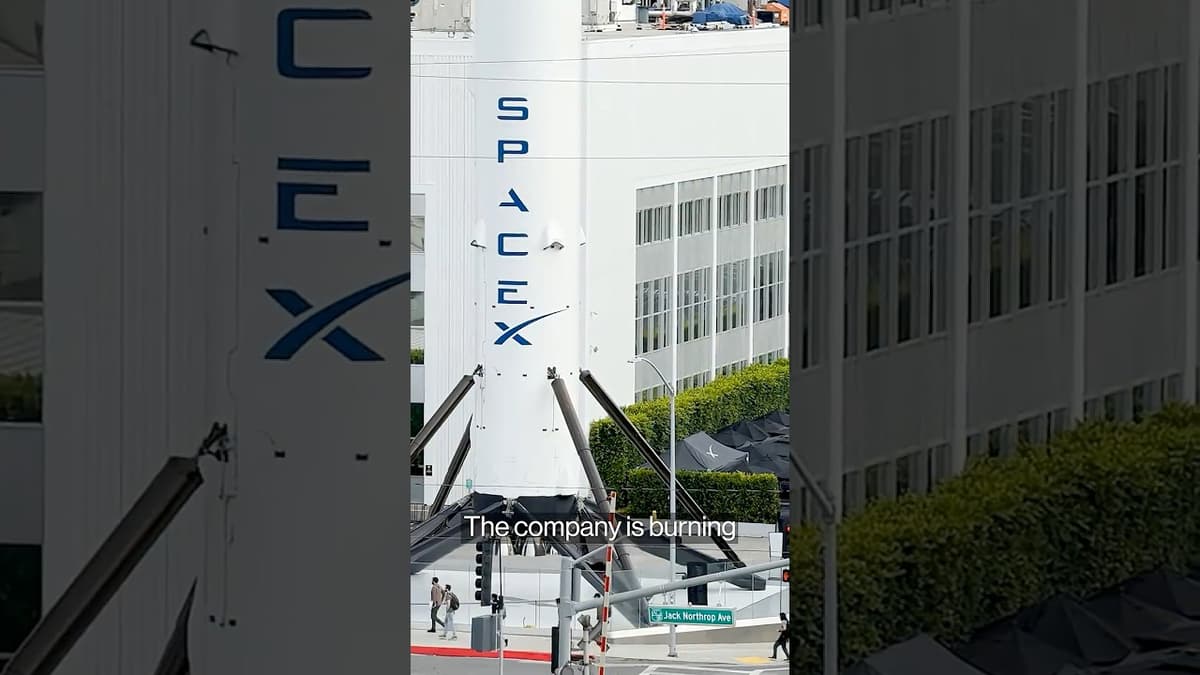
SpaceX Filing Shows Losses, Musk’s Control
SpaceX’s confidential registration statement, filed ahead of a planned public offering, lays out the company’s governance, financial health and strategic focus, signaling the most ambitious IPO in history. The filing shows Elon Musk holds 85.1% of voting power through a class...
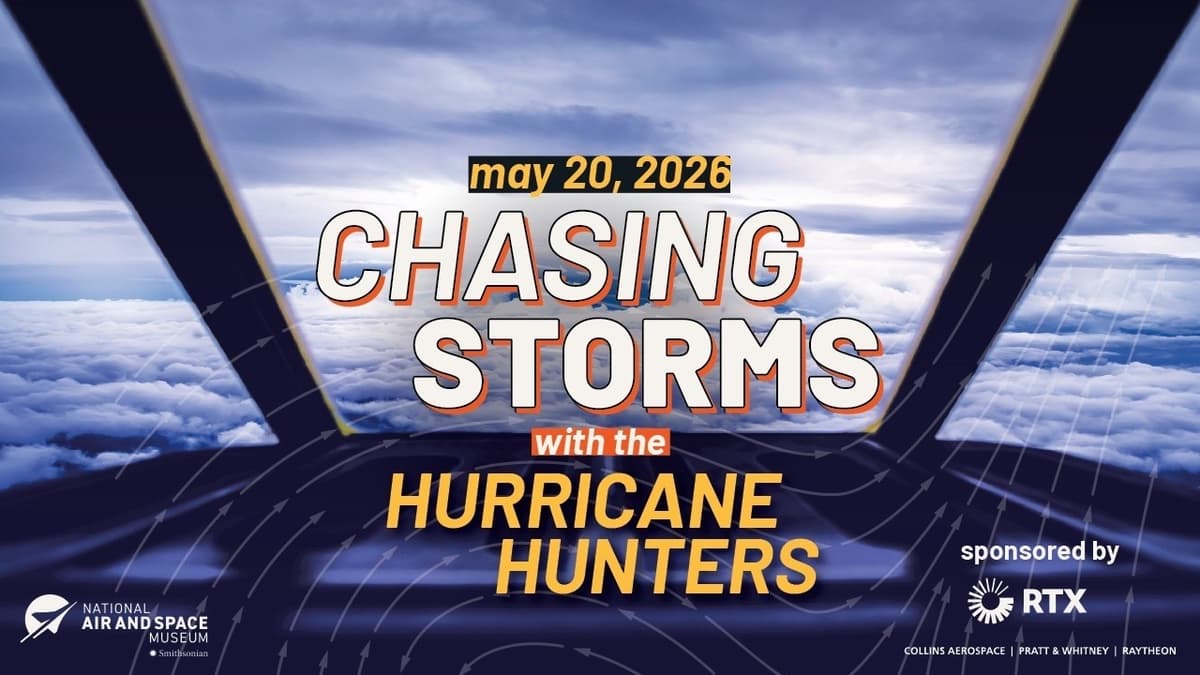
Chasing Storms with the Hurricane Hunters (Amelia Earhart Lecture in Aviation History)
The Amelia Earhart Lecture highlighted the U.S. Air Force Reserve’s 53rd Weather Reconnaissance Squadron, the world’s only routine military unit that flies into hurricanes, winter storms and tropical cyclones. Using WC‑130J "Super Hercules" aircraft, the squadron gathers critical meteorological data that...
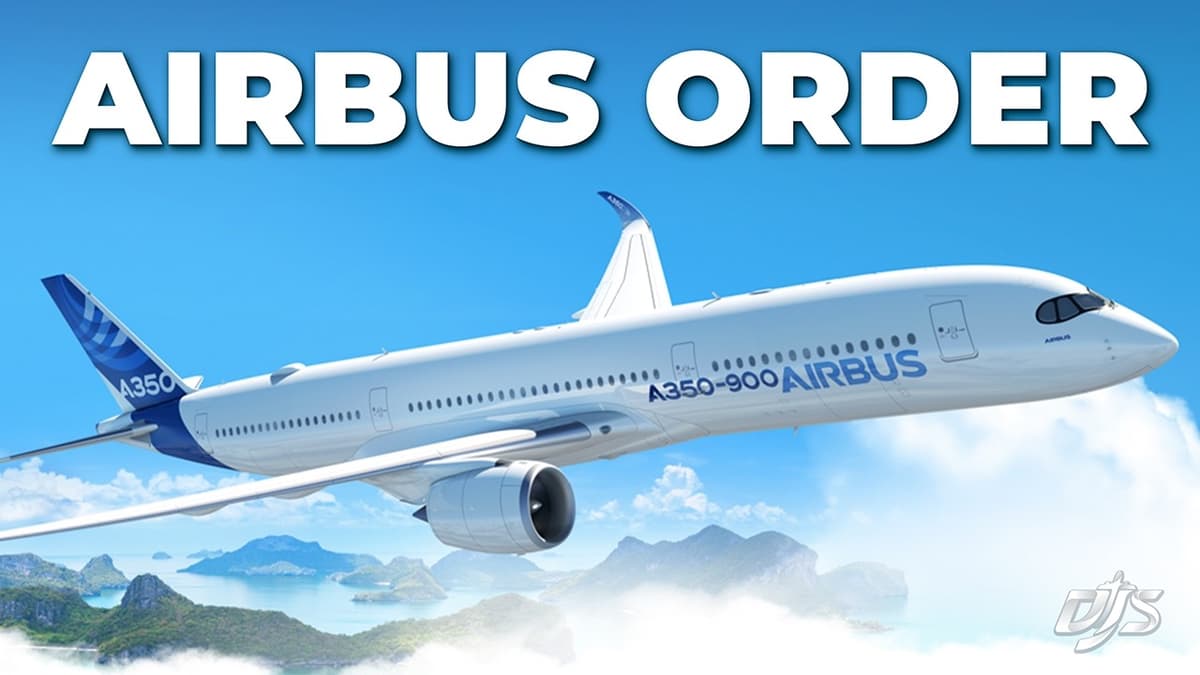
New A350 & A220 Order Soon
Ethiopian Airlines is reportedly in early discussions with Airbus about a mixed order of six additional A350 wide‑body jets and up to 20 A220 single‑aisle aircraft. The deal would complement the carrier’s ongoing fleet renewal and support its ambitious growth...

NASA's Artemis II Crew Visits the U.S. Capitol
The Artemis II crew made a historic stop at the U.S. Capitol on Thursday, where lawmakers and officials greeted the astronauts and highlighted the mission’s symbolic importance for national pride and space policy. Speakers emphasized that the crew’s success rests on a...

Congressional Funding Concerns About a New Nuclear Cruise Missile
The Senate Armed Services Committee heard NNSA leaders, including Energy Secretary Chris Wright, defend a strategic shift that moves the agency from pure nuclear stockpile stewardship toward active warhead and pit production, a change driven by the Trump administration’s modernization...

Need to Fill US Manufacturing Gap Long-Term, Says Amca CEO
AMCA CEO Jay Malik says the United States faces a critical manufacturing gap in defense and aerospace components, and his firm is positioned to bridge it. The company designs and rapidly qualifies single‑source parts—such as sensors and capacitors—that have been off‑shored...