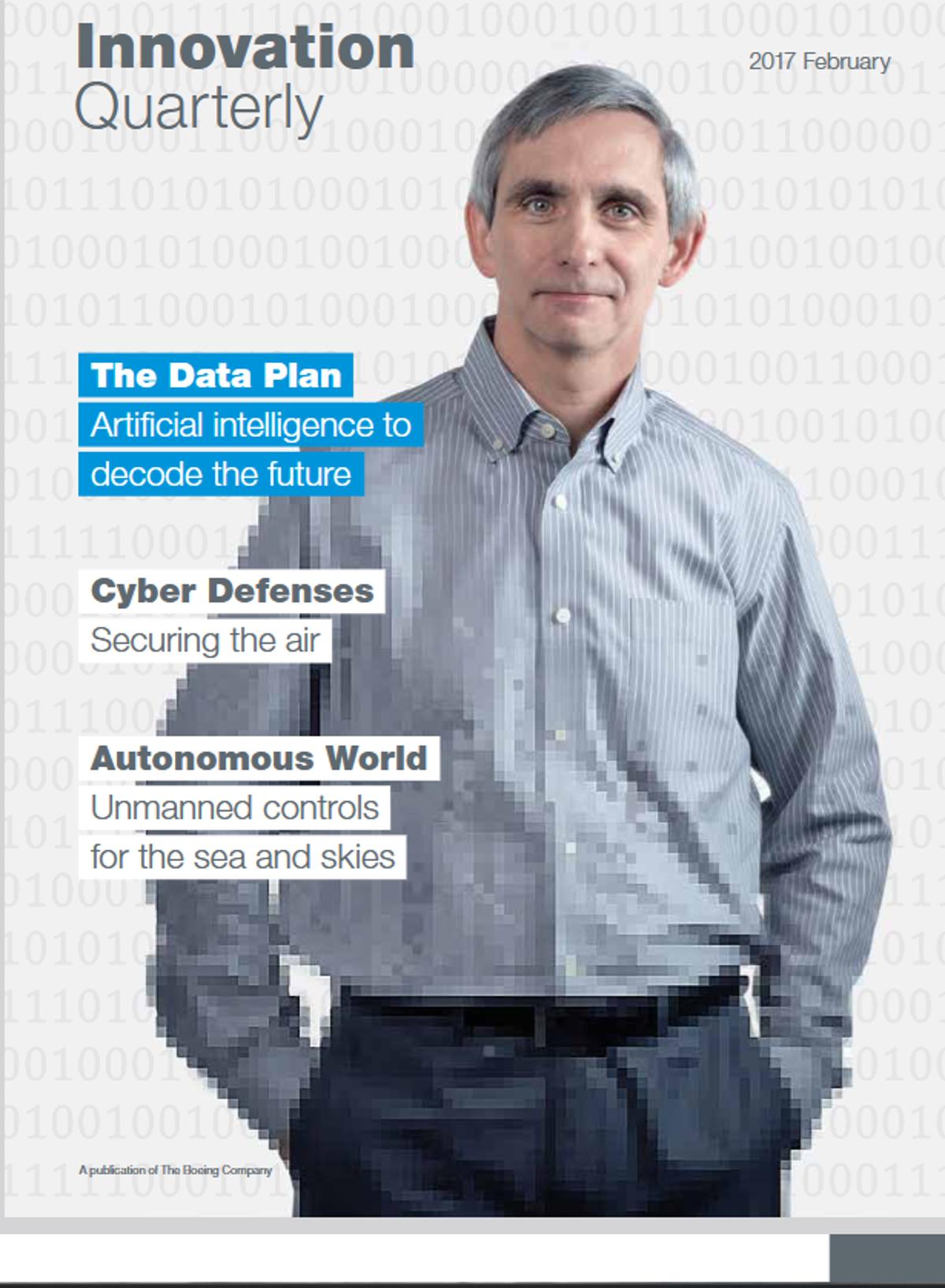
AI: “The Precipice of an Absolute Technology Revolution”
Key Takeaways
- •Boeing acquired SparkCognition in 2017 to accelerate AI capabilities.
- •VP Brian Yutko discussed AI’s role without linking to a specific model.
- •AI-driven health monitoring already reduces airline maintenance costs.
- •HorizonX continues investing in machine‑learning startups for aerospace.
- •Industry sees AI as catalyst for next‑generation aircraft design.
Pulse Analysis
Boeing’s AI journey began in earnest in 2017 when its HorizonX venture arm bought Texas‑based SparkCognition, a leader in machine‑learning analytics. The acquisition signaled a strategic shift toward embedding cognitive technologies across the aerospace value chain, from design simulations to supply‑chain optimization. Since then, Boeing has layered AI into its research agenda, leveraging the startup’s platform to enhance data‑driven decision making and to showcase its commitment to digital transformation to investors and regulators alike.
At a recent Pacific Northwest AIAA gathering, Boeing’s VP of Product Development Brian Yutko painted a broad picture of AI’s future role in aircraft creation. He emphasized that AI could streamline aerodynamic modeling, accelerate materials testing, and enable predictive maintenance planning, yet he deliberately avoided naming any specific jet program. This cautious messaging reflects the company’s desire to protect competitive details while still signaling to partners and customers that AI will be a core enabler of the next generation of Boeing aircraft. Meanwhile, existing AI‑powered health‑monitoring systems on current fleets already alert airlines to potential faults, reducing unscheduled downtime and trimming operational costs.
The broader industry is watching Boeing’s AI rollout as a bellwether for how commercial aviation will evolve. AI promises to cut design cycles, improve fuel efficiency, and enhance safety through real‑time analytics, compelling rivals like Airbus to double down on their own digital initiatives. For airlines, the ripple effect means lower maintenance spend, higher aircraft availability, and more predictive flight‑operations planning. As regulators tighten safety standards and passengers demand greener, more reliable travel, AI’s integration into aircraft development could become a decisive factor in market share battles over the next decade.
AI: “The precipice of an absolute technology revolution”
Comments
Want to join the conversation?