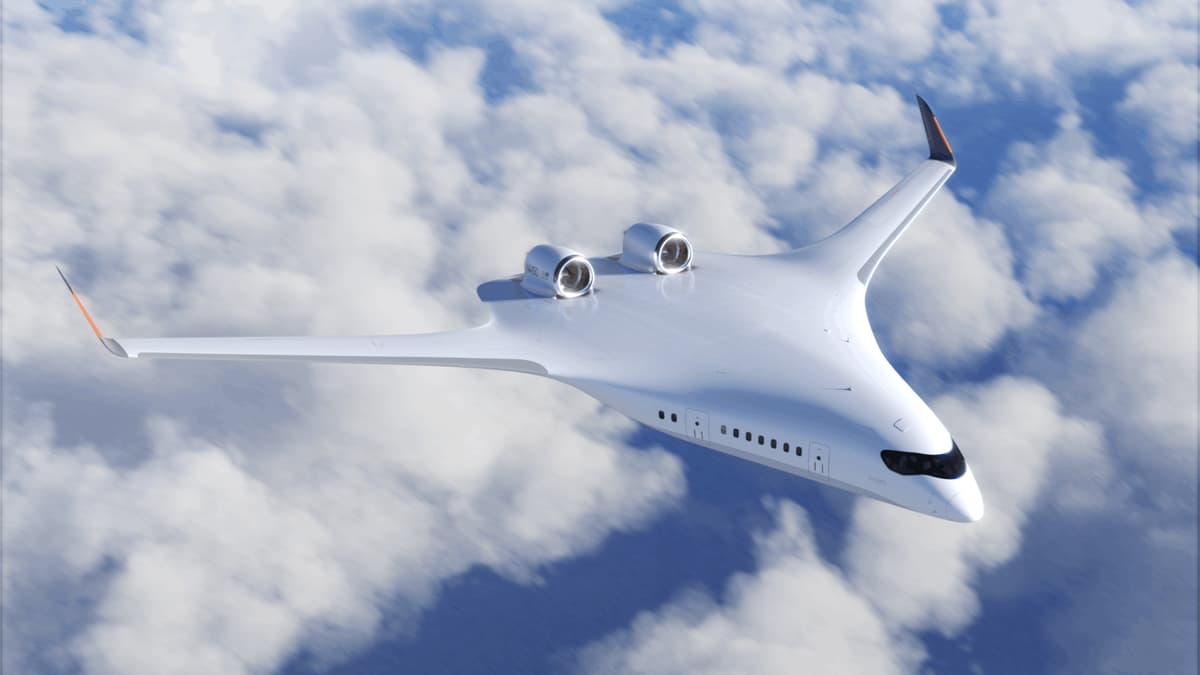
Airbus, Boeing and LNA Doubt BWB Benefits; JetZero, Natilus Explain Them
Key Takeaways
- •Airbus, Boeing, LNA question blended‑wing‑body efficiency claims
- •JetZero and Natilus defend BWB with fuel‑saving data
- •Legacy manufacturers fear radical design disrupts existing product revenue
- •Investors wary of unproven large‑scale BWB programs
- •BWB could reshape future airliner architecture if proven viable
Pulse Analysis
The blended‑wing‑body design, which merges fuselage and wings into a single lifting surface, has long promised up to 20% fuel savings and lower noise footprints. Yet the concept demands radical changes in manufacturing, certification, and airport infrastructure, factors that have kept legacy OEMs like Airbus and Boeing on the sidelines. Their recent skepticism, echoed by LNA’s internal analysis, underscores concerns over aerodynamic uncertainties, structural weight penalties, and the substantial R&D capital required to bring a BWB from sketch to service.
Start‑ups JetZero and Natilus are betting on the BWB’s untapped potential, showcasing wind‑tunnel results and preliminary computational fluid dynamics that suggest significant drag reductions. JetZero’s Z4 250‑seat concept claims a 15% reduction in fuel burn versus conventional narrow‑bodies, while Natilus highlights a modular cargo variant that could double payload efficiency. Both firms argue that the market’s appetite for greener, lower‑cost operations—driven by airline ESG mandates and volatile fuel prices—creates a compelling business case, even if the path to certification remains steep.
The clash reflects a broader industry tension: established manufacturers protect proven product lines and shareholder returns, whereas agile innovators push disruptive architectures. Investor sentiment is cautious; capital markets favor incremental upgrades over high‑risk, long‑lead programs. However, if BWB prototypes achieve reliable performance and meet regulatory standards, the technology could trigger a new generation of ultra‑efficient aircraft, reshaping fleet planning and airport design worldwide. Stakeholders will watch closely as JetZero and Natilus move from concept to flight testing, potentially forcing the duopoly to reconsider their strategic roadmaps.
Airbus, Boeing and LNA doubt BWB benefits; JetZero, Natilus explain them
Comments
Want to join the conversation?