Airbus Facing Yet Another Lawsuit From Flight Attendant Over It’s Toxic ‘Dirty Little Secret’
•January 31, 2026
0
Why It Matters
The allegations expose a systemic safety risk in bleed‑air aircraft, potentially prompting stricter oversight and costly redesigns for manufacturers and airlines.
Key Takeaways
- •Flight attendant claims permanent neurological damage from A319 cabin fumes
- •Airbus accused of ignoring known bleed‑air design defect
- •Multiple lawsuits now target Airbus and Boeing over fume events
- •Only Boeing 787 uses non‑bleed air cabin system
- •Potential regulatory pressure could force aircraft air‑filter upgrades
Pulse Analysis
Bleed‑air systems, which draw compressed air from jet engines to pressurize cabins, have long been a silent component of commercial aviation. When the auxiliary power unit (APU) or engines leak oil, volatile chemicals can enter the cabin, creating the so‑called "fume events" that cause headaches, respiratory irritation, and, in severe cases, lasting neurological damage. Recent incidents on Airbus A319 and A320 families have reignited debate over the health implications of these exposures, especially as medical experts compare the chemical shock to traumatic brain injuries.
The legal landscape is rapidly evolving. Beyond Ferrel’s New York filing, United Airlines flight attendant Darlene Fricchione and a passenger‑led suit against Boeing’s 737 have added to a growing docket of contamination claims. Plaintiffs argue that manufacturers were aware of the bleed‑air vulnerability yet failed to implement filters, sensors, or alarms. For Airbus, the accusations of "reckless indifference" could translate into substantial compensatory and punitive damages, while Boeing faces its first passenger‑initiated lawsuit, signaling that no major OEM is immune to scrutiny.
Regulators and airlines are now weighing alternatives. The Boeing 787 Dreamliner, which relies on a fully electric, non‑bleed air system, is frequently cited as a safer model, prompting industry analysts to predict a gradual shift toward bleed‑air‑free designs. If agencies such as the FAA or EASA impose stricter certification standards, manufacturers may need to retrofit existing fleets with advanced filtration or redesign air‑supply architectures—an undertaking that could run into billions of dollars. The outcome of these lawsuits will likely shape the next generation of cabin‑air safety protocols and influence airline procurement strategies worldwide.
Airbus Facing Yet Another Lawsuit From Flight Attendant Over It’s Toxic ‘Dirty Little Secret’
European aircraft manufacturer Airbus is facing yet another lawsuit from a flight attendant who claims to now suffer from a debilitating chronic illness after she breathed in ‘toxic’ fumes while working on one of the company’s popular A320-series single-aisle jets.
Airbus has been accused of knowing about a defect with the air conditioning system on these planes for years, but it allegedly put profit over safety and refused to take action to minimize the risk of injury to passengers and crew.
In this article…
-
American Airlines flight attendant sues Airbus over ‘toxic’ cabin air incident
-
Airbus facing multiple lawsuits over ‘bleed air’ contamination
American Airlines flight attendant sues Airbus over ‘toxic’ cabin air incident
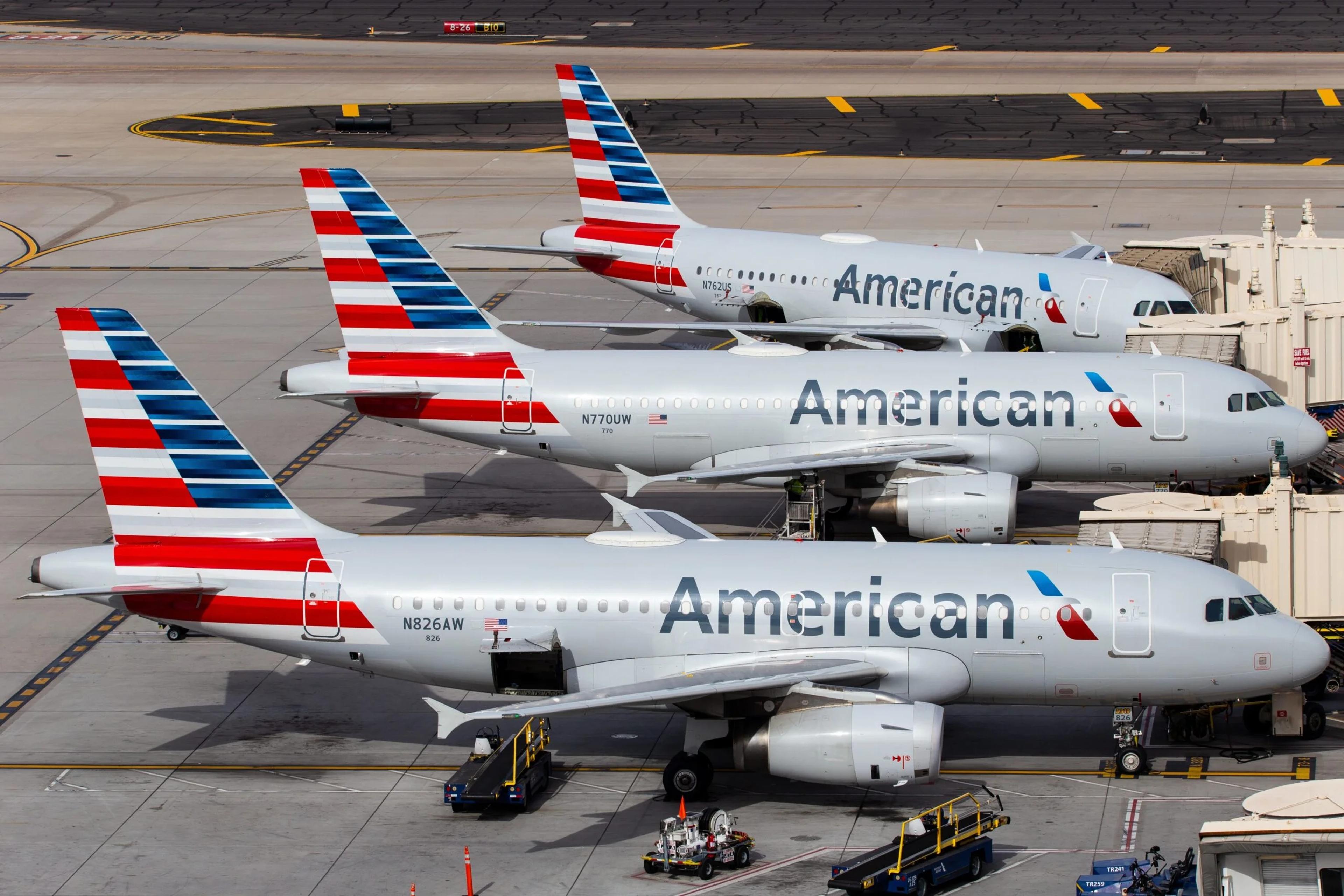
The latest lawsuit against Airbus was filed in a New York district court this week by Tamar Ferrel, an American Airlines flight attendant based in Phoenix, who claims to have suffered permanent neurological and psychological injuries after an alarming incident on January 14, 2024.
The incident occurred as passengers were boarding an A319 airliner at Phoenix Sky Harbor Airport. Tamar was standing in the aisle, roughly halfway down the plane, helping passengers board, when the Captain switched on the ‘auxiliary power unit’ (APU).
What is an auxiliary power unit? The APU is a small additional engine that is located in the tail of an aircraft. It provides the plane with power while it is on the ground and is used to start the main engines.
Within seconds of the APU being turned on, the smell of dirty socks permeated the cabin. Tamar quickly moved to the back of the aircraft, where she found her coworker coughing and gagging from the smell.
Tamar called the Captain, who ordered an evacuation of the plane. During this time, Tamar began to cough and suffer from a mental fog and a severe headache.
Although the passengers had been evacuated from the aircraft, Tamar was required to remain on board for another hour before she and the rest of the crew were taken to an urgent care facility for a check-up.
Despite her symptoms, Tamar was cleared to return to work, and after taking just one day off, she was assigned a flight to Mexico. During the flight, Tamar says she felt so sick that she began shaking and had to be put on oxygen.
Tamar’s symptoms progressively got worse, and despite having no other income source, she had to take more and more time off work due to how sick she was feeling.
“She eventually saw a well-known neurologist, Dr. Robert Kaniecki, an expert in headaches, who continues to treat her but who equated her exposure on January 14, 2024 to a football player being hit in the head, but with chemicals.”
Civil complaint against Airbus.
To this day, Tamar has not been able to return to work as a flight attendant. She still suffers from headaches daily, and whenever she attempts to return to her job, she suffers from panic attacks, symptomatic of post-traumatic stress disorder.
Airbus facing multiple lawsuits over ‘bleed air’ contamination
This is far from the only lawsuit that Airbus is facing over an alleged design defect with the so-called ‘bleed air’ system it uses supply air into the passenger cabin.
The bleed air system draws in pre-heated compressed air from the engine and pumps it straight into the cabin after being cooled through an air conditioning system.
Because the air is fed through the engine, campaigners believe that it is susceptible to being contaminated with engine oils and lubricants that vaporize on a hot engine.
This is believed to be a particular risk with the APU on the Airbus A319 because the air inlet to the APU is on the rear belly of the aircraft and close to two major sources of potential oil leakage.
Last May, Darlene Fricchione, a United Airlines flight attendant, filed a lawsuit against Airbus over a remarkably similar incident to Tamar’s, which occurred on an A319 that had just landed at Denver International Airport on April 11, 2023.
After parking at the gate, the Captain turned on the APU, and the cabin filled with a chemical-like smell that made Darlene gag for air. Her symptoms were so bad that a pulmonologist said it looked like “someone had opened up a bag of chlorine and poured it down her throat because her throat cavity looked sunburned.”
Only last month, rival aircraft manufacturer Boeing was also hit with the first-ever passenger-led lawsuit over contaminated cabin air following an incident aboard a Delta Air Lines Boeing 737.
Jonathan Harris, a law professor at Temple University, says exposure to contaminated cabin air has left him with chronic brain and respiratory injuries, and he still suffers from symptoms more than a year after the incident.
How dangerous is a fume event?
Just how much of an effect contaminated cabin air can have on someones longterm health is still very open to debate, and the airline industry insists that while these incidents can be unpleasant, passengers and crew should recover quickly.
That is certainly true for the vast majority of people who are caught up in a contaminated air event, but campaigners argue that a small number of victims do suffer chronic symptoms long after their exposure.
Only one commercial airliner doesn’t use bleed air
Nearly every commercial airliner uses the bleed air system to supply air to the passenger cabin, although lawyers acting on behalf of ‘toxic air’ victims argue that the industry must do more to reduce the risk of bleed air being contaminated with engine oil and other chemicals.
Campaigners claim Airbus and Boeing have failed to invest in filters, converters, sensors, or alarms that could reduce the risk of a contaminated air event or provide an early warning.
To this day, there is only one commonly flown commercial passenger jet that does not use the bleed air system… that’s the Boeing 787 Dreamliner.
Bottom line
Airbus is facing another lawsuit from a flight attendant who alleges that she has been unable to return to her flying career ever since she breathed in contaminated cabin air aboard an Airbus A319.
Tamar accuses Airbus of not remedying a design defect with the A320-series of aircraft that makes compensatory damages and punitive damages, accusing Airbus of acting with “reckless indifference” to crew and passenger safety. them more susceptible to contaminated air events.
The post Airbus Facing Yet Another Lawsuit From Flight Attendant Over It’s Toxic ‘Dirty Little Secret’ appeared first on PYOK.
0
Comments
Want to join the conversation?
Loading comments...