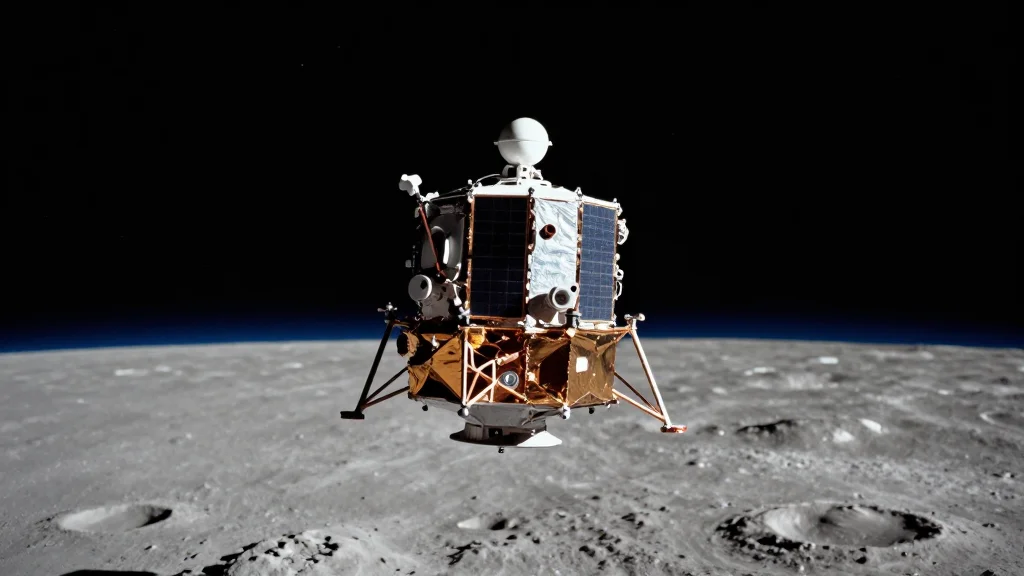
Articles on Chandrayaan 1, India’s First Moon Mission
Key Takeaways
- •Chandrayaan 1 launched in 2008, first Indian lunar orbiter
- •Mission confirmed water molecules on Moon’s surface
- •ISRO’s data aided NASA’s lunar research collaborations
- •Director interview reveals challenges of low‑budget deep‑space mission
- •Archive links serve educators and space enthusiasts worldwide
Pulse Analysis
Chandrayaan‑1, launched by the Indian Space Research Organisation (ISRO) in October 2008, marked the nation’s first foray beyond Earth orbit. The 380‑kilogram orbiter carried a suite of instruments designed to map the Moon’s surface, study its mineral composition, and search for water‑bearing minerals. Despite a modest budget compared with contemporaneous missions, Chandrayaan‑1 completed a 312‑day science campaign, delivering over 600,000 high‑resolution images and a wealth of spectral data that reshaped lunar science.
One of the mission’s headline achievements was the detection of hydroxyl and water molecules across the lunar regolith, a finding confirmed through collaboration with NASA’s Moon Mineralogy Mapper. This breakthrough not only settled a long‑standing debate about lunar volatiles but also informed the planning of NASA’s Artemis program, which aims to establish a sustainable human presence on the Moon. The shared data underscored the value of international cooperation, demonstrating how emerging space powers can contribute critical insights to global exploration agendas.
Beyond the scientific legacy, the curated article series serves as a free educational resource for teachers, students, and space enthusiasts worldwide. By featuring an interview with the mission director and analyses of niche observations—such as Chandrayaan‑1’s view of a solar eclipse from lunar orbit—the collection deepens public understanding of mission operations and challenges. The author’s call for sponsorship highlights a growing reliance on independent voices to preserve and disseminate niche space content, a model that could become increasingly important as commercial and governmental entities expand lunar activities.
Articles on Chandrayaan 1, India’s first Moon mission
Comments
Want to join the conversation?