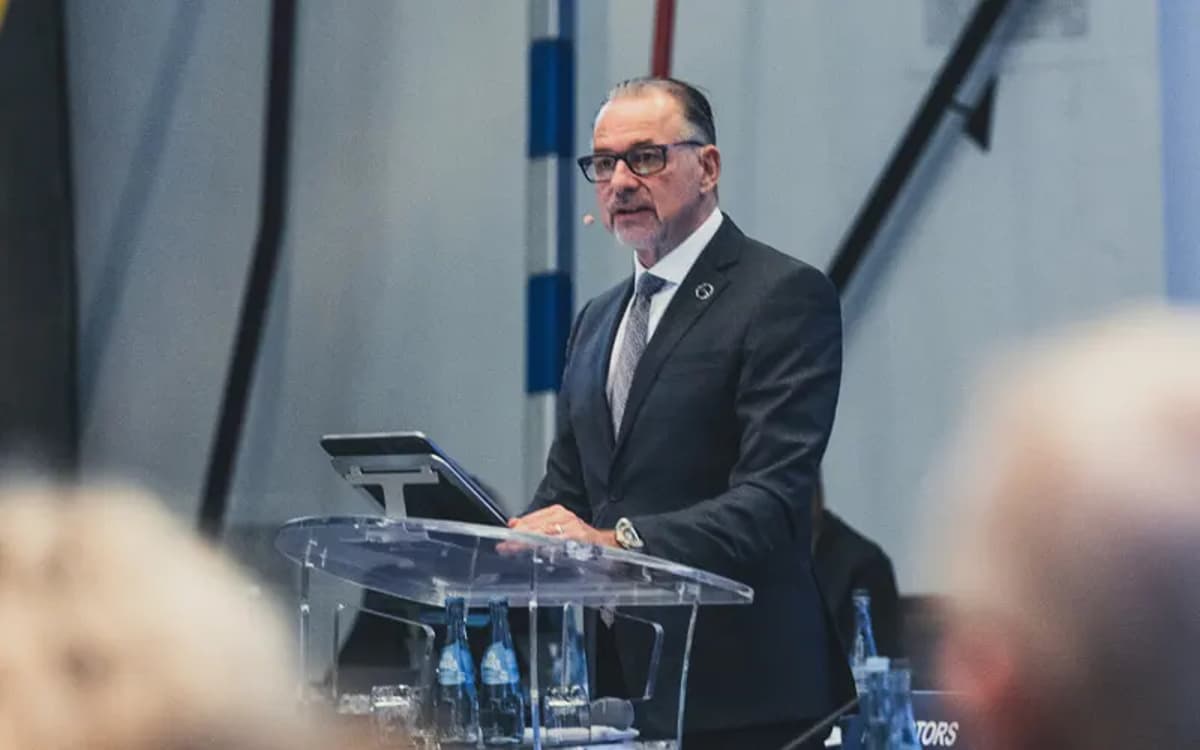
“Autonomous Human Spaceflight Is Not a Luxury,” Says ESA Chief
Key Takeaways
- •ESA relies on NASA seats after ending Russian Soyuz partnership
- •LEO Cargo Return Service designs must accommodate future crew transport
- •Crew Launch Abort Demonstrator aims for human‑rated Ariane 6 launch
- •Study launched for a European‑led post‑ISS space station by 2026
- •Political convergence needed by 2028 to fund autonomous human spaceflight
Pulse Analysis
Europe’s human‑spaceflight strategy has been in flux since the 2022 suspension of ESA’s cooperation with Russia. Until then, European astronauts rode Russian Soyuz capsules and U.S. Dragon spacecraft to the International Space Station. The geopolitical shock exposed a critical vulnerability: ESA’s access to crewed missions now hinges on barter agreements with NASA, leaving Europe exposed to policy shifts in the United States. Josef Aschbacher’s recent opinion piece argues that this dependence is unsustainable and that an autonomous launch capability is essential for Europe’s scientific and strategic autonomy.
ESA is already laying technical groundwork for autonomy. The 2023 LEO Cargo Return Service program requires all candidate vehicles to be crew‑compatible, turning a cargo‑only concept into a stepping stone for human transport. In November 2025 the agency launched a Crew Launch Abort Demonstrator, a safety system that would enable a human‑rated Ariane 6 launcher, closing the launch loop. Parallel to hardware work, ESA issued a February 2026 call for studies on a European‑led space station, defining the post‑ISS destination for European crews and securing a long‑term orbital platform under European control.
Turning these projects into a sovereign crewed program hinges on political will and coordinated funding. Aschbacher outlines a timeline that culminates in ESA’s full Ministerial Council in late 2028, synchronized with the EU’s 2028‑2034 Multi‑annual Financial Framework. If member states align their budgets and commit to the convergence of decisions, Europe could field an independent crew launch capability within the next decade, reducing reliance on external partners and opening commercial opportunities in crew transport, orbital services, and deep‑space research. The move would also reinforce Europe’s geopolitical standing in a rapidly competitive space arena.
“Autonomous Human Spaceflight is Not a Luxury,” Says ESA Chief
Comments
Want to join the conversation?