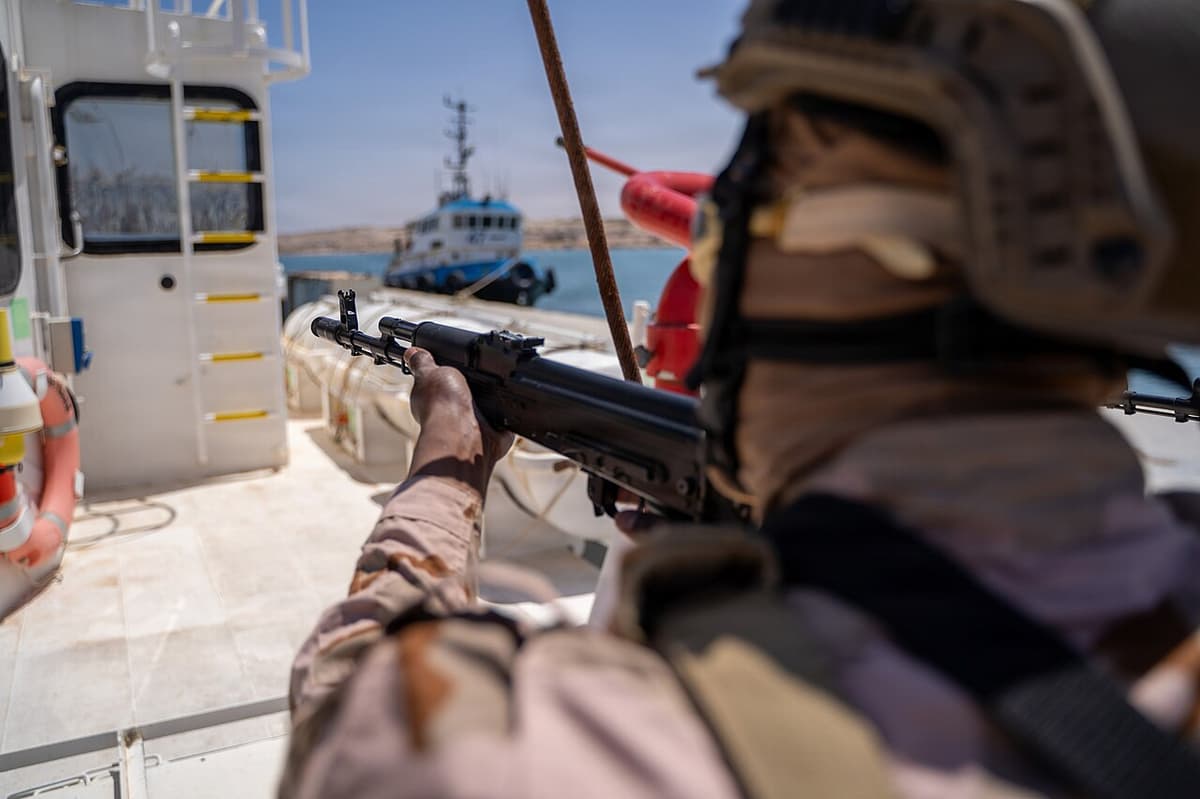
Briton Guilty of Brokering Jets and Missiles to War Zones
Key Takeaways
- •Greenhalgh sold jets, missiles, rifles to Sudan, South Sudan, Libya.
- •Deals bypassed UK licences using forged end‑user certificates.
- •Network sourced weapons from former Soviet states, inflating prices.
- •Overseas subsidiaries used to evade British jurisdiction.
- •Convictions serve as warning; HMRC pursues international enforcement.
Pulse Analysis
The conviction of David Greenhalgh marks one of the most high‑profile breaches of the United Kingdom’s export‑control regime in recent years. By acting as an intermediary for ex‑Soviet fighter jets, surface‑to‑air missiles and thousands of assault rifles, the 68‑year‑old Croydon businessman exploited loopholes in licensing procedures and deliberately concealed the true destinations of the weapons. The case underscores how sophisticated middlemen can manipulate paperwork—such as forged end‑user certificates—to move lethal equipment into sanctioned regions like Sudan, South Sudan and Libya, thereby undermining international sanctions and threatening regional stability.
Greenhalgh’s operation was anchored in a sprawling supply chain that stretched from former Warsaw‑Pact arsenals in Ukraine, Belarus, Serbia and the Czech Republic to shell companies registered in Greece, North Macedonia and even South Sudan. By routing transactions through these offshore entities, the conspirators inflated prices for buyers who were barred from the open market, extracting tens of millions of dollars in profit. The use of falsified documentation not only violated the Export Control Order 2008 but also exposed a systemic vulnerability: the ease with which illicit actors can masquerade legitimate trade in a fragmented global market.
The successful prosecution sends a clear deterrent signal to the international arms‑brokering community. HM Revenue & Customs, working alongside foreign law‑enforcement partners, demonstrated that the UK will pursue violators wherever they operate, reinforcing the credibility of its licensing framework. Industry observers expect tighter due‑diligence requirements and greater scrutiny of end‑user certificates, especially for legacy stockpiles in former Soviet states. As governments tighten export controls, compliance costs will rise, but the payoff—preventing weapons from reaching war zones—remains a strategic priority for national security.
Briton guilty of brokering jets and missiles to war zones
Comments
Want to join the conversation?