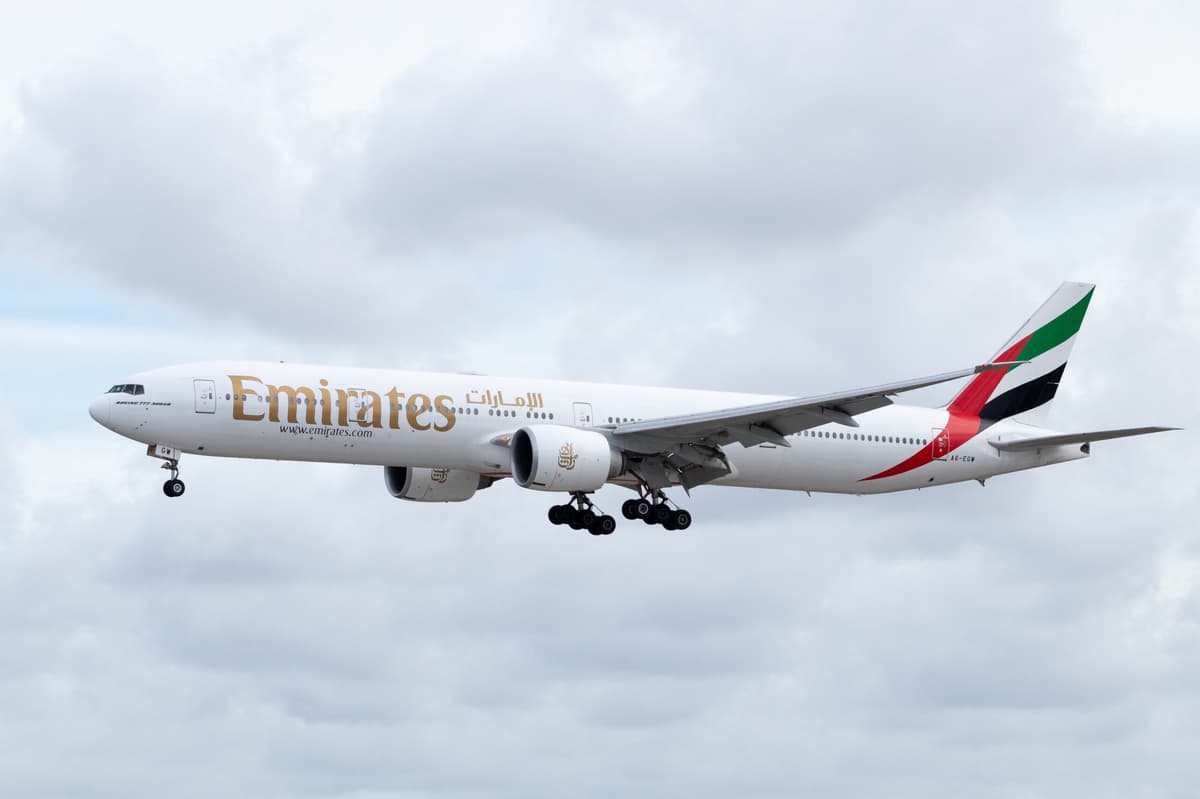
Emirates Boeing 777-300 Declares ‘Mayday’ For Low-Fuel in Miami After the Pilots Had to Abandon Two Landing Attempts
Key Takeaways
- •EK-213 flew 17h16m, exceeding typical 15.5‑16h Dubai‑Miami time.
- •Strong Atlantic headwinds and Miami windshear forced two missed approaches.
- •Pilots declared minimum fuel, then Mayday after runway conflict.
- •Emirates resumed Dubai‑Miami service May 1 after two‑month Iran‑war pause.
- •Third landing on Runway 12 succeeded without incident.
Pulse Analysis
Emirates’ Dubai‑Miami corridor is one of the world’s longest commercial routes, typically requiring 15.5 to 16.5 hours of flight time. This particular journey stretched to 17 hours and 16 minutes because of unusually strong headwinds across the Atlantic, a factor that adds fuel burn and reduces the margin for error. The airline had only just reinstated the service on May 1 after a two‑month hiatus caused by regional instability, making the successful completion of this flight critical for restoring confidence among business travelers and cargo shippers.
Fuel planning for ultra‑long‑haul flights follows strict regulatory reserves, but pilots must also account for real‑time variables such as wind shear and runway availability. After the first missed approach, the crew announced a “minimum fuel” status, signaling they could not endure further delays. When a runway conflict forced a second go‑around, the situation escalated to a full Mayday declaration, prompting air traffic control to clear the airspace for an immediate landing. This sequence illustrates how quickly a routine diversion can become an emergency when fuel reserves are already constrained.
The episode highlights broader industry pressures to balance fuel efficiency with safety. Carrying extra fuel mitigates low‑fuel risks but adds weight, increasing emissions and operating costs. Airlines may respond by refining predictive weather models, expanding alternate‑airport options, or revisiting reserve policies for routes prone to strong jet streams. For passengers, the incident reinforces the importance of robust contingency planning, while regulators may scrutinize fuel‑reserve standards to ensure they reflect evolving climate and traffic‑management challenges.
Emirates Boeing 777-300 Declares ‘Mayday’ For Low-Fuel in Miami After the Pilots Had to Abandon Two Landing Attempts
Comments
Want to join the conversation?