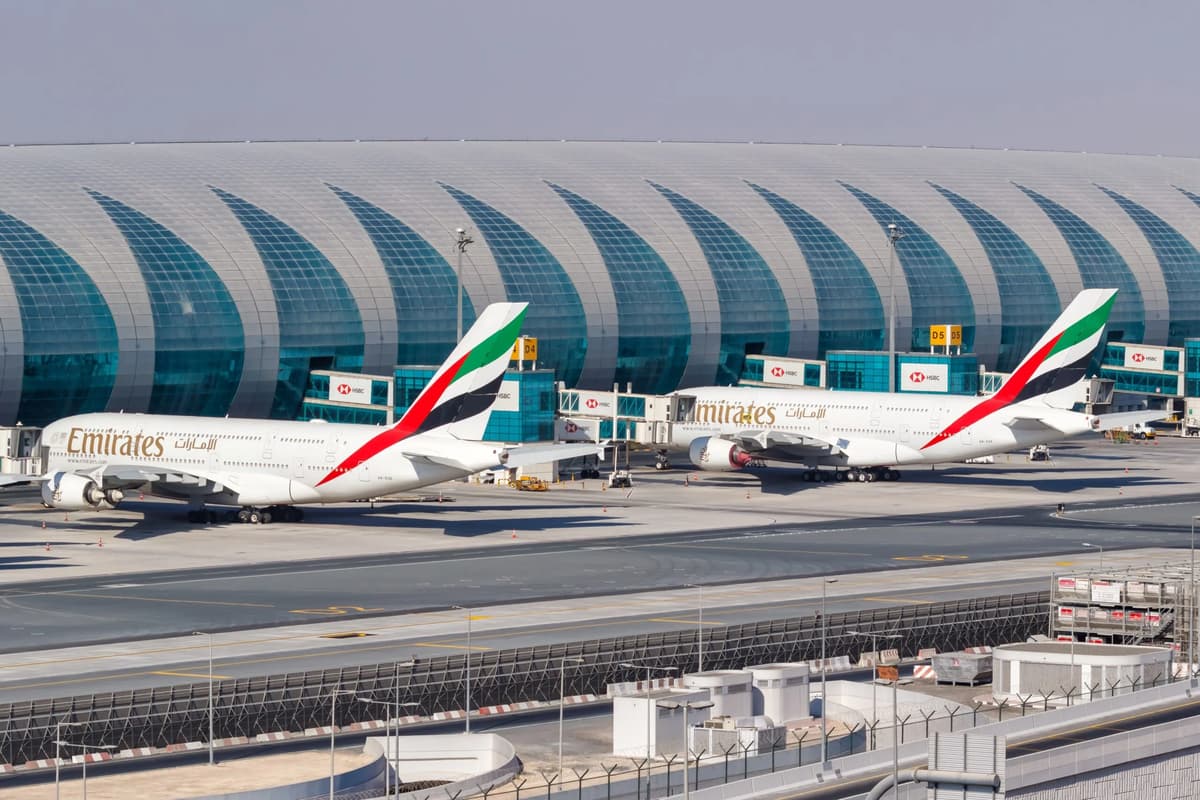
Emirates Is Finally Eyeing The Resumption Of Israel Flights After Two Year Suspension
Key Takeaways
- •Emirates previously ran three daily Dubai‑Tel Aviv flights
- •Demand outstripped capacity before October 2023 suspension
- •Israeli carriers now operate up to eight daily round‑trips
- •Resumption indicates strengthening UAE‑Israel diplomatic and commercial ties
- •Regional security risks could still delay service restart
Summary
Emirates is reportedly preparing to restart its Dubai‑Tel Aviv service after a two‑year hiatus triggered by the October 7 Hamas attack. Before the suspension the carrier operated three daily flights, a schedule it had expanded only months earlier due to strong demand. The route was launched following the 2020 Abraham Accords, which opened commercial ties between the UAE and Israel. Resumption discussions signal a possible normalization of both diplomatic and commercial relations despite lingering regional security concerns.
Pulse Analysis
The Emirates‑Tel Aviv corridor was born out of the 2020 Abraham Accords, a diplomatic breakthrough that transformed a historically closed market into a lucrative route for the Gulf’s flagship carrier. After pandemic‑related delays pushed the launch to mid‑2022, the airline quickly discovered that passenger demand outpaced available seats, prompting a third daily flight before the October 7 conflict forced a suspension. This background highlights how political rapprochement can generate rapid commercial upside when airlines are able to align capacity with pent‑up demand.
During Emirates’ absence, Israeli airlines and FlyDubai have stepped in, collectively offering up to eight round‑trips daily between Dubai and Tel Aviv. Those substitute services have kept the corridor alive, sustaining tourism flows and business connections, but they lack Emirates’ brand cachet, extensive network, and premium product offering. The gap also created revenue opportunities for competitors, underscoring how prolonged suspensions can reshape market dynamics and erode a carrier’s foothold in a high‑margin segment.
Now, as the Gaza ceasefire holds and diplomatic overtures continue, Emirates’ tentative move to resume flights signals confidence in regional stability and a desire to reclaim market share. Yet, lingering geopolitical flashpoints—such as Iran‑US tensions and potential retaliatory strikes—remain a wildcard that could postpone or complicate the restart. Analysts will watch closely for official confirmations, as the airline’s decision will serve as a barometer for broader Middle East aviation recovery and the resilience of the UAE‑Israel partnership.
Emirates is Finally Eyeing The Resumption Of Israel Flights After Two Year Suspension


Comments
Want to join the conversation?