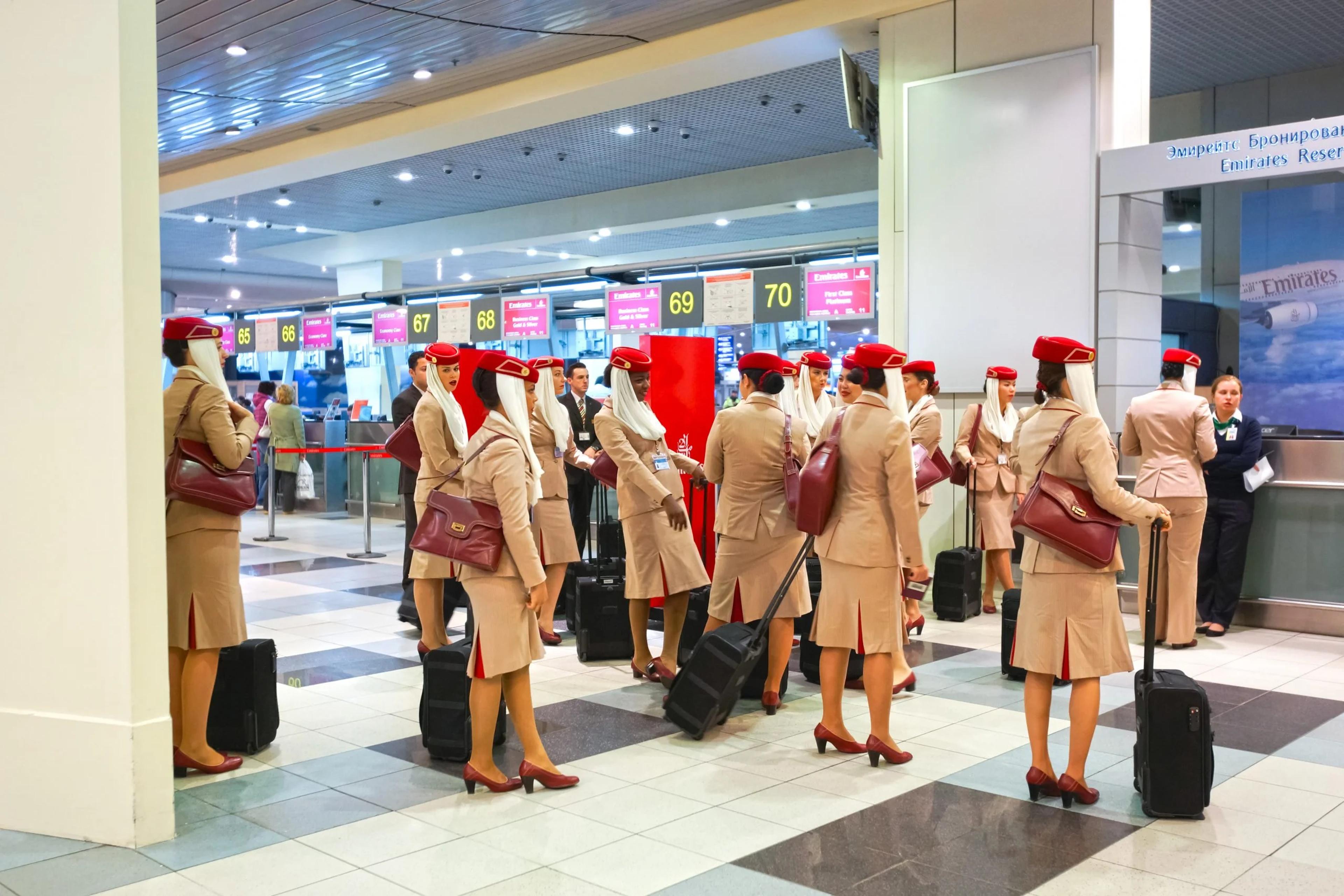
Emirates Is So Confident It’ll Win Approval for Berlin Flights That It’s Already Secured Landing Slots
•January 31, 2026
0
Why It Matters
The approval would give Emirates a strategic foothold in Germany’s capital, intensifying competition on long‑haul routes and potentially reshaping European airline market share. It also tests the durability of legacy bilateral air service agreements amid growing demand for direct Middle East connections.
Key Takeaways
- •Emirates secured Berlin slots for 777, pending approval.
- •German-UAE pact limits Emirates to four German cities.
- •Lufthansa opposes additional Gulf carrier access, cites competition concerns.
- •Qatar already flies Doha‑Berlin under expanded five‑city rights.
- •Berlin demand grows for nonstop Dubai service.
Pulse Analysis
Emirates’ pre‑emptive slot acquisition underscores the airline’s confidence in breaking into the Berlin market, a city long excluded from its network by a 1970s‑era Germany‑UAE air services treaty. By earmarking a Boeing 777 for a December 2026 launch, the carrier signals intent to capture premium demand from business travelers and tourists seeking a direct link to Dubai’s growing economic hub. The slot purchase also illustrates how airlines can hedge regulatory risk by securing airport capacity well before formal approvals are granted.
The competitive landscape in Germany is heavily influenced by Lufthansa, which has historically lobbied against Gulf carriers on the grounds that state‑backed airlines can undercut prices and erode market fairness. Lufthansa’s push for European lawmakers to prioritize domestic competitiveness reflects broader concerns about market distortion, yet recent softening of the German government’s stance hints at a possible policy shift. Qatar Airways’ successful expansion to Berlin after securing rights to five German cities demonstrates that regulators can adapt the old framework when strategic or consumer benefits are evident.
If Emirates obtains the green light, it could trigger a cascade of renegotiations of legacy bilateral agreements across the EU, prompting other Gulf carriers to seek similar access. The move would likely increase flight frequencies, drive down fares, and stimulate tourism and trade between the Middle East and Germany. Conversely, a denial would reinforce the status quo, preserving Lufthansa’s dominance but potentially stalling consumer choice. Stakeholders are watching closely as the outcome may set a precedent for future air‑service liberalization in Europe.
Emirates Is So Confident It’ll Win Approval for Berlin Flights That It’s Already Secured Landing Slots
After years of lobbying, Dubai-based Emirates might finally be about to win approval to start flights to the German capital, Berlin, and it’s reportedly so confident of getting the go-ahead that it has already secured takeoff and landing rights at the city’s main airport.
According to a slot coordination document obtained by Bloomberg, the airline has gone to the effort of obtaining a pair of landing and takeoff ‘slots’ which essentially let an airline use an airport at set times.
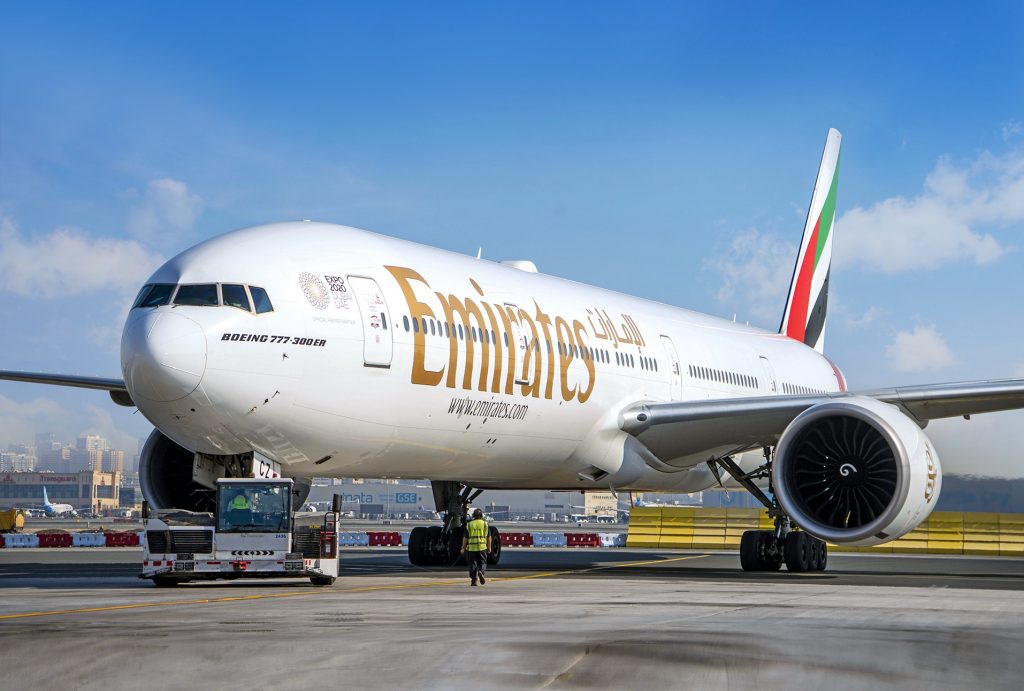
Photo Credit: Emirates
The document reveals that Emirates wants to use a Boeing 777 to operate the route, starting in December 2026, although there is still one very big obstacle in its way… German regulators have yet to give Emirates permission to fly to Berlin.
The problem is that under a decades-old agreement between Germany and the United Arab Emirates (UAE), the country’s airlines are only permitted to operate flights between the UAE and four cities in Germany.
Emirates built its long-haul capacity into Frankfurt and Munich, as well as Düsseldorf and Hamburg, while campaigning over the years to be granted access to Berlin.
The German flag carrier, Lufthansa, has always vehemently opposed Emirates’ calls for better access to the country, arguing that its presence, along with that of other Persian Gulf carriers, distorted the market and was bad for competition, as these were essentially government-controlled airlines that could lose money in order to fuel their rapid expansion plans.
The government has long taken Lufthansa’s side on this topic, although in recent years, its stance has softened.
Qatar Airways, for example, already operates flights between its hub in Doha and Berlin Brandenburg after securing the rights to fly to five cities in Germany – Düsseldorf, Hamburg, Frankfurt, Munich, and, of course, Berlin.
Back in the mid-2000s, Etihad Airways managed to circumvent the restrictions by taking a stake in local carrier AirBerlin and getting the airline to operate long-haul flights to Abu Dhabi on its behalf.
That loophole came crashing down in 2017 when Etihad allowed AirBerlin to fall into insolvency after massively overstretching itself in a failed equity investment plan involving several loss-making airlines.
Lufthansa remains opposed to Emirates being awarded any more flying rights to Berlin, itself preferring to operate short-haul flights to and from Berlin and its long-haul hubs in Frankfurt and Munich.
The airline is not, however, unaware of the desire of Berliners to have non-stop flights to Dubai, given that the Lufthansa Group started this route using an Airbus A320 through its low-cost subsidiary Eurowings.
In a statement, Lufthansa called on European lawmakers to counter the perceived threat of Middle Eastern airlines and “prioritize its own competitiveness.”
For its part, Germany’s Ministry of Transport says no decision has been made about granting Emirates additional access to the country. No doubt, Lufthansa will be working overtime to try to persuade decision makers to reject the latest request.
The post Emirates Is So Confident It’ll Win Approval for Berlin Flights That It’s Already Secured Landing Slots appeared first on PYOK.
0
Comments
Want to join the conversation?
Loading comments...