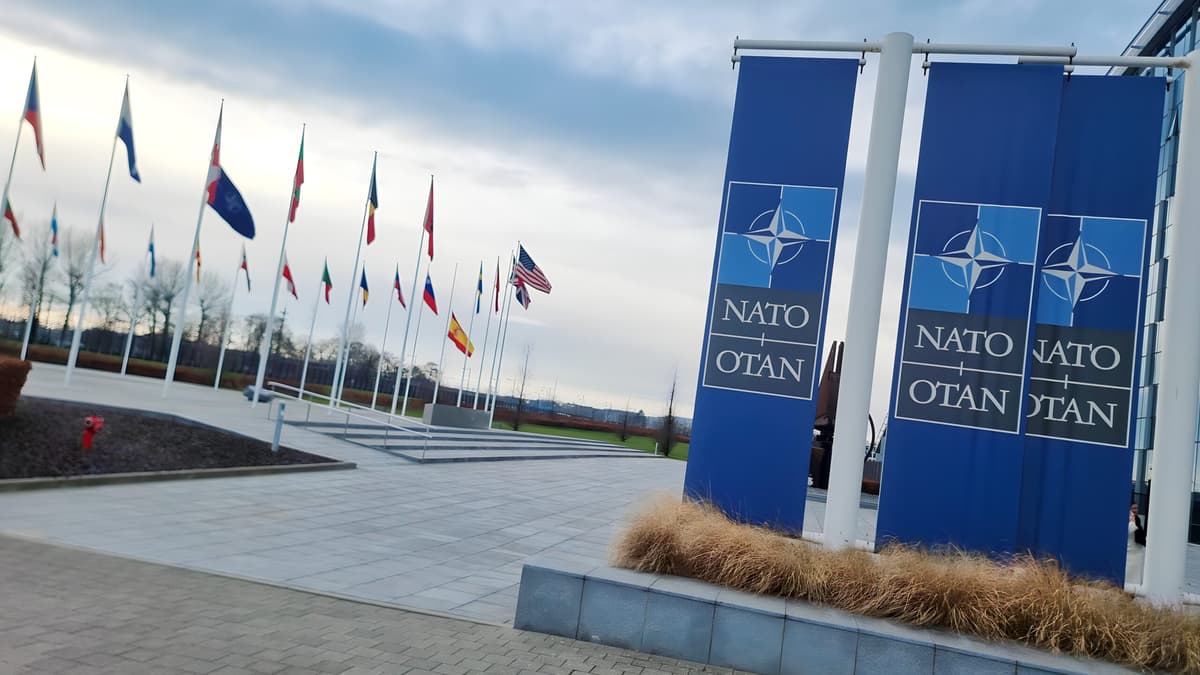
European Allies Take over NATO Joint Force Commands
Key Takeaways
- •UK to command Joint Force Command Norfolk
- •Italy assumes Joint Force Command Naples leadership
- •Germany and Poland rotate Joint Force Command Brunssum
- •US retains theatre component command authority
- •Shift underscores deeper European NATO responsibility
Summary
NATO approved a major leadership reshuffle, assigning all three Joint Force Commands to European allies while the United States keeps control of the Alliance’s theatre component commands. The United Kingdom will lead Joint Force Command Norfolk, Italy will take Joint Force Command Naples, and Germany and Poland will rotate leadership of Joint Force Command Brunssum. The United States will retain command of Allied Maritime, Land and Air Commands and the Supreme Allied Commander Europe post. Implementation will be phased in alongside scheduled personnel rotations.
Pulse Analysis
NATO’s decision to transfer Joint Force Command leadership to European partners marks a historic shift in the Alliance’s command architecture. Historically, the United States has overseen the four‑star operational headquarters that direct NATO forces during crises. By placing the United Kingdom, Italy, and a German‑Polish rotation at the helm of Norfolk, Naples, and Brunssum respectively, NATO aims to distribute decision‑making authority more evenly across the bloc. This move reflects broader strategic goals of enhancing European defence autonomy while maintaining a cohesive command framework.
The redistribution also carries significant implications for transatlantic relations. While Europe assumes greater operational responsibility, the United States retains control of the three theatre component commands—Maritime, Land, and Air—as well as the pivotal Supreme Allied Commander Europe role. This balance ensures that the U.S. continues to shape NATO’s strategic direction, preserving its deterrence credibility, while European nations gain valuable command experience. Defense contractors and national militaries alike will need to adapt to new reporting lines and joint planning processes, potentially accelerating interoperability initiatives.
Looking ahead, the phased implementation aligns with scheduled personnel rotations, allowing a smooth transition without disrupting ongoing missions. However, the success of this model depends on sustained political will and resource commitments from European members. As security threats evolve—from great‑power competition to hybrid warfare—the shared leadership structure could enhance NATO’s agility and resilience. Stakeholders should monitor how this rebalancing influences budget allocations, force posture, and the Alliance’s ability to respond swiftly to emerging crises.
European allies take over NATO joint force commands


Comments
Want to join the conversation?