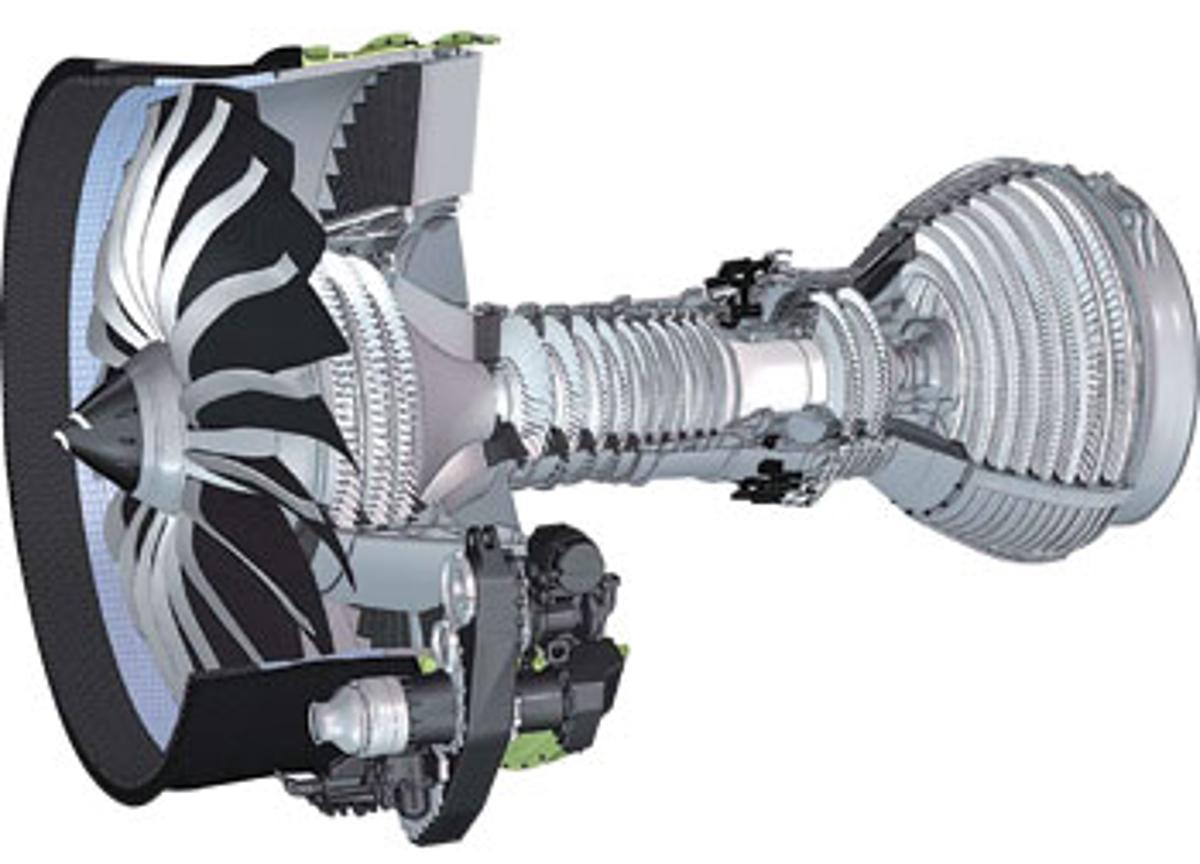
GE’s MRO Expansion, Supply Chain Improvements to Reduce Engine Turnaround Time
Key Takeaways
- •GE expands MRO capacity with $1B investment to meet engine demand
- •Predictive maintenance cuts turnaround time by up to 50% across sites
- •LEAP engine durability now matches legacy CFM56, easing airline concerns
- •Engine output up 25% in 2025, supplies up 40% YoY
Pulse Analysis
Commercial aviation has entered a period of heightened engine reliability scrutiny. The A320neo family, powered by CFM LEAP‑1A and Pratt & Whitney GTF, the A350‑1000 with Rolls‑Royce Trent XWB‑97, and Boeing’s 787 equipped with GE’s GEnx and RR Trent 1000 have all reported shortened on‑wing intervals, prompting airlines to schedule premature maintenance. GE’s Commercial and Engine Services chief Mohamed Ali announced that recent design tweaks are bringing the durability of new LEAP units up to the historic CFM56 benchmark, while GEnx engines are closing the gap with the venerable CF6 and GE90 families.
To prevent a surge of unscheduled shop visits, GE is betting on predictive maintenance. By ingesting live performance data from operators, the company’s analytics platform forecasts both the remaining service life of each engine and the exact material requirements for upcoming repairs. This forward‑looking model gives suppliers a multi‑year lead time, allowing them to align production schedules and avoid bottlenecks. Early results show turnaround times shrinking by 25 % to 50 % depending on the MRO location, a gain that directly improves aircraft utilization and airline revenue.
The initiative is underpinned by a $1 billion expansion program that adds new GE‑owned facilities, upgrades existing plants, and authorizes third‑party repair centers across the commercial engine portfolio. Engine output rose 25 % in 2025 versus 2024, and parts intake grew 40 % year‑over‑year, reflecting the scale of the effort. By bolstering capacity and tightening supply‑chain coordination, GE aims to absorb the anticipated “bow wave” of LEAP and wide‑body engine repairs, positioning itself as the preferred MRO partner in a market where reliability is increasingly a competitive differentiator.
GE’s MRO expansion, supply chain improvements to reduce engine turnaround time
Comments
Want to join the conversation?