How Boeing’s WISK Technology May Apply to Its Next New Airplane
Key Takeaways
- •WISK completed its first autonomous eVTOL test flight without issues
- •Boeing plans to migrate WISK’s composites and systems to future airliners
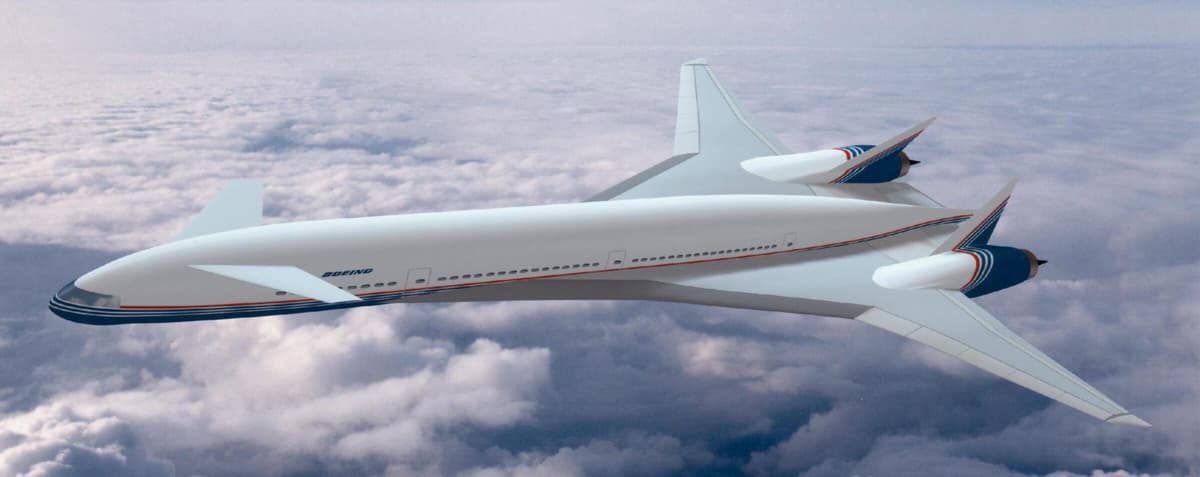
- •Past Sonic Cruiser tech became the foundation for the 787 Dreamliner
- •Autonomous eVTOLs could reshape short‑haul travel and urban mobility
- •Boeing’s shift reflects airlines’ post‑9/11 focus on fuel efficiency
Pulse Analysis
The successful test of Boeing’s WISK eVTOL marks a pivotal step for autonomous vertical‑takeoff aircraft, a segment that has attracted intense interest from urban‑mobility firms and legacy manufacturers alike. WISK’s four‑seat design showcases lightweight composite structures, electric propulsion, and a redundant flight‑control architecture that eliminates the need for a pilot. These attributes not only reduce operating costs but also align with the aviation industry’s broader push toward zero‑emission solutions, positioning Boeing to compete with emerging players such as Joby and Archer while leveraging its deep systems‑integration expertise.
Boeing’s strategy of reusing technology from shelved concepts is not new; the early‑2000s Sonic Cruiser, envisioned to cruise just below Mach 1, never entered production but contributed critical aerodynamic and material advances to the 787 Dreamliner. That aircraft’s success proved the value of harvesting research from abandoned projects, delivering a fuel‑efficient, long‑range twin‑aisle plane that reshaped market expectations. By applying WISK’s composite wing skins, electric‑actuated control surfaces, and autonomous flight software to a future commercial jet, Boeing hopes to replicate that upside—shortening development cycles and embedding next‑generation efficiency into its core product line.
Looking ahead, the integration of WISK‑derived technologies could enable Boeing’s next airliner to feature hybrid‑electric propulsion, adaptive wing morphing, and advanced health‑monitoring systems, all of which promise lower fuel burn and reduced emissions. As airlines continue to chase cost savings and sustainability targets post‑9/11, such innovations may become decisive factors in aircraft procurement decisions. Boeing’s ability to translate eVTOL breakthroughs into mainstream aviation could therefore set a new benchmark for the industry, driving both environmental progress and competitive differentiation.
How Boeing’s WISK technology may apply to its next new airplane
Comments
Want to join the conversation?