Aerospace Blogs and Articles
  • All Technology
  • AI
  • Autonomy
  • B2B Growth
  • Big Data
  • BioTech
  • ClimateTech
  • Consumer Tech
  • Crypto
  • Cybersecurity
  • DevOps
  • Digital Marketing
  • Ecommerce
  • EdTech
  • Enterprise
  • FinTech
  • GovTech
  • Hardware
  • HealthTech
  • HRTech
  • LegalTech
  • Nanotech
  • PropTech
  • Quantum
  • Robotics
  • SaaS
  • SpaceTech
AllNewsDealsSocialBlogsVideosPodcastsDigests

Aerospace Pulse

EMAIL DIGESTS

Daily

Every morning

Weekly

Sunday recap

NewsDealsSocialBlogsVideosPodcasts
AerospaceBlogsInside The Not So Glamorous World Of Flight Attendant ‘Crash Pads’: It Looks Like a Prison
Inside The Not So Glamorous World Of Flight Attendant ‘Crash Pads’: It Looks Like a Prison
Aerospace

Inside The Not So Glamorous World Of Flight Attendant ‘Crash Pads’: It Looks Like a Prison

•February 2, 2026
0
Paddleyourownkanoo
Paddleyourownkanoo•Feb 2, 2026

Why It Matters

The housing shortage highlights systemic wage and labor‑cost issues in the airline industry, potentially driving regulatory scrutiny and affecting crew retention.

Key Takeaways

  • •Low wages force new hires into shared crash pads
  • •Crash pads often lack privacy and proper sanitation
  • •Illegal pads have been shut down for safety violations
  • •Commuting hundreds of miles adds fatigue and costs
  • •Regulators may face pressure to improve crew housing standards

Pulse Analysis

The rise of "crash pads" reflects a broader affordability crisis for airline crew members. Entry‑level flight attendants earn modest salaries that barely cover basic expenses, while major carriers locate their hubs in metros with sky‑high rents. To bridge the gap, many opt for converted apartments or houses where dozens of attendants share cramped bunk rooms, often without adequate ventilation or fire safety measures. This cost‑saving strategy enables airlines to keep labor expenses low, but it transfers the burden of substandard housing onto the workforce.

Safety concerns have moved the issue from a private inconvenience to a public regulatory focus. In 2022, Boston inspectors raided an illegal crash pad that housed twenty attendants in a repurposed garage, citing missing fire escapes and smoke detectors. Such violations underscore the lack of oversight for off‑site crew housing, especially when landlords operate without permits. Advocacy groups and labor unions are now demanding clearer standards, arguing that inadequate living conditions can impair alertness and increase accident risk during flights.

The long‑term implications could reshape airline labor practices. As the industry grapples with pilot shortages and high turnover, improving crew housing may become a competitive advantage for carriers seeking to attract and retain talent. Potential solutions include airline‑sponsored dormitories, housing stipends tied to cost‑of‑living indices, or partnerships with vetted property managers. Regulatory bodies may also introduce mandatory safety certifications for any off‑site crew housing, ensuring that basic fire and health codes are met. Ultimately, addressing the crash‑pad phenomenon could enhance employee well‑being, reduce fatigue‑related incidents, and bolster the airline’s public image.

Inside The Not So Glamorous World Of Flight Attendant ‘Crash Pads’: It Looks Like a Prison

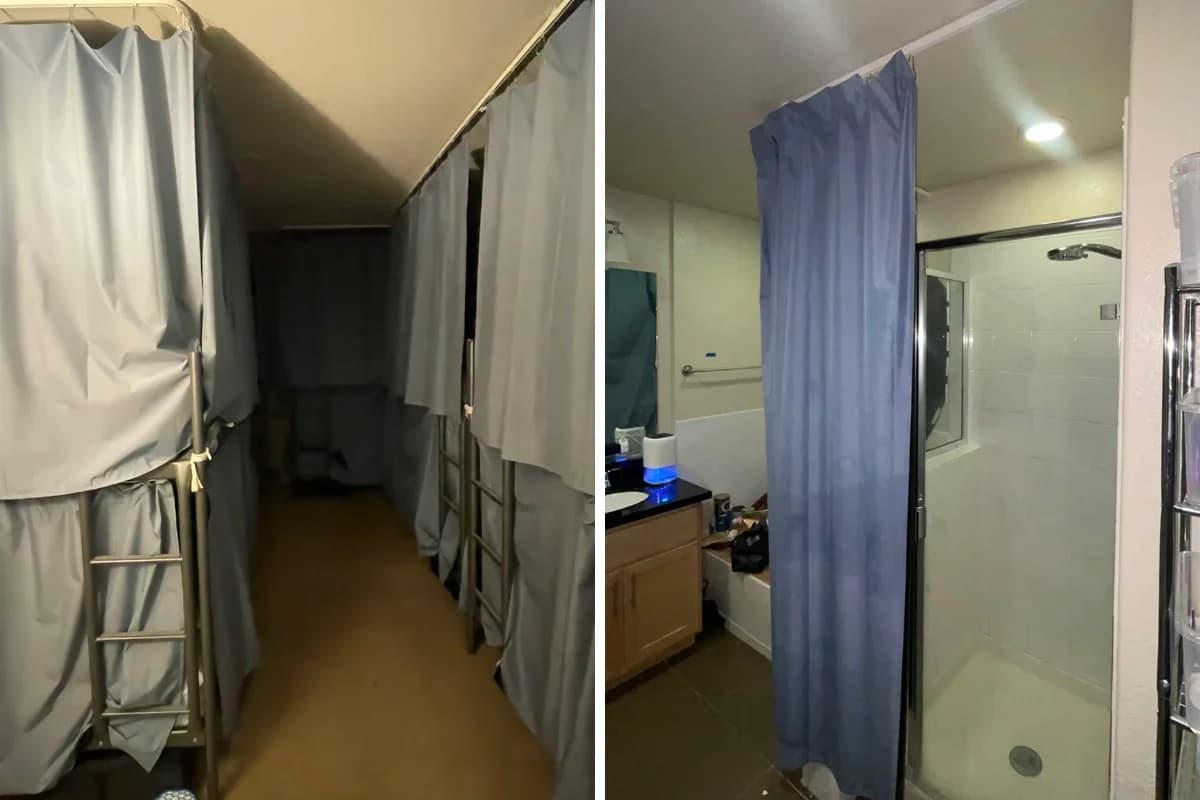
If you are still living under the illusion that being a flight attendant is glamorous, then just take a look at these pictures, because this is the reality for many crew members, especially during their first few years in the job.

A uniquely US concept where new-hire flight attendants are paid so little that the idea of affording a hotel room between flights is so unrealistic that they resort to what is known as the ‘crash pad.’

a room with a table and a drawer

The common areas of the crash pad.

A crash pad is an apartment or house that has been converted to sleep as many flight attendants as possible. Bunk beds are stacked high, privacy is in short supply, and the sanitary conditions are sometimes questionable.

Crash pads were created to solve a very real problem: Most airline bases are in cities where the cost of living are so, buying or renting a home is out of reach of many flight attendants.

Instead, they live somewhere much cheaper and ‘commute’ hundreds or sometimes thousands of miles to the airport they are based out of, using ‘non-rev’ flying privileges.

But in between flying assignments, there’s not always enough time to travel home. And with hotel rooms so outrageously priced, flight attendants resort to securing spots in privately run crash pads… sometimes paying up to $600 a month for access to their own bunk bed.

Alexis, who is a flight attendant at one of the three big US carriers, shared images of her crash pad on TikTok, explaining: “The way I would try to work as much as I could so I didn’t have to sleep here.”

This isn’t the first time that crash pads have been talked about. Back in 2022, Boston’s Inspectional Services Department raided an illegal flight attendant crash pad in the East of the city.

The crash pad was actually a garage, but it had been converted to house as many as 20 flight attendants in bunk beds spread across two bedrooms. It was shut down because not only had the space been converted without permission, but it was also missing a fire escape and smoke detectors.

It’s believed that the crash pad had been in use for around eight years before a flight attendant filed a complaint and inspectors moved in to take action.

Replying to the photos of the crash pad used by Alexis, several commentators asked whether they were looking at photos of a prison.

While another summed up the whole situation pretty succinctly: “Oh my god… What is that?”

The post Inside The Not So Glamorous World Of Flight Attendant ‘Crash Pads’: It Looks Like a Prison appeared first on PYOK.

Read Original Article
0

Comments

Want to join the conversation?

Loading comments...