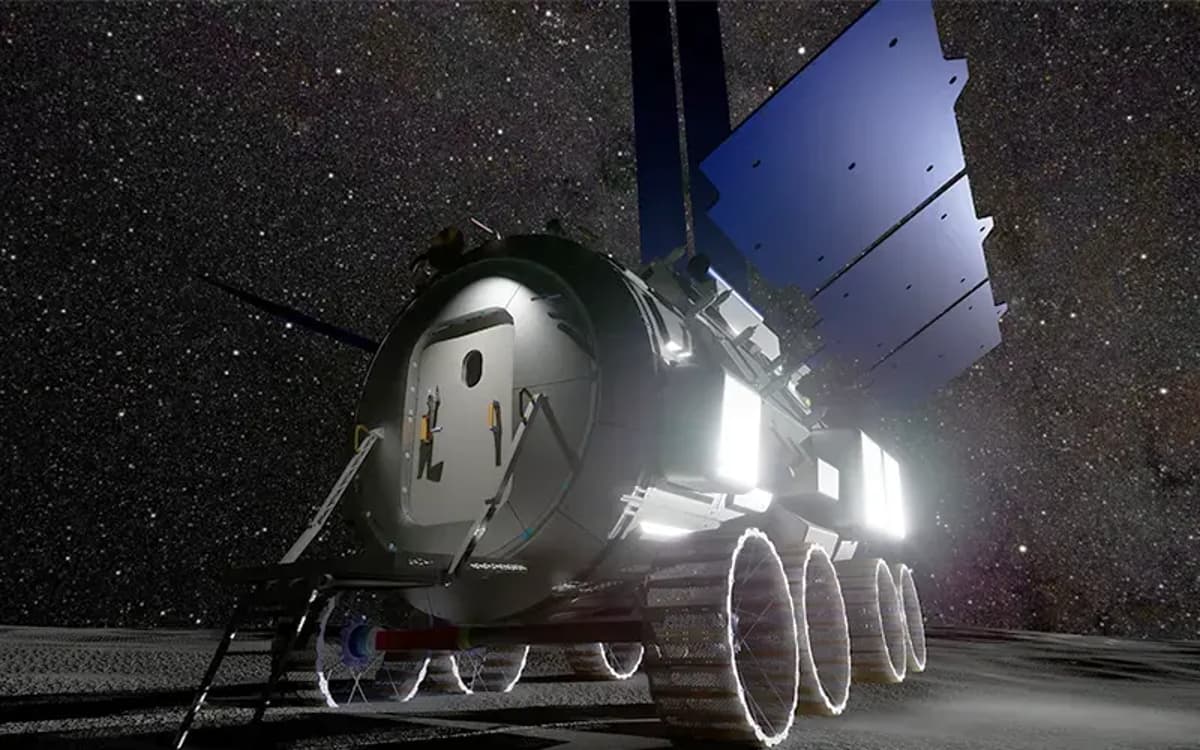
Italy’s Lunar Habitat Clears NASA System Requirements Review
Key Takeaways
- •NASA cleared Italy’s MPH module in System Requirements Review.
- •Preliminary Design Review scheduled for 2027, launch targeted for 2033.
- •Italy secured an astronaut seat on future Artemis missions.
- •Thales Alenia Space leads development under ASI contract.
- •Module supports NASA’s shift from lunar Gateway to surface base.
Pulse Analysis
NASA’s decision in March 2026 to pause the lunar Gateway and prioritize a permanent surface outpost reshaped the architecture of its Artemis program. By integrating Italy’s Multi‑Purpose Habitation module, the agency gains a proven, modular living space that can be expanded as the base evolves. This strategic pivot reflects a broader trend toward leveraging international partners to share risk, cost, and expertise while keeping the United States at the helm of lunar exploration.
The MPH module, designed by Thales Alenia Space under contract with the Italian Space Agency, has now cleared the System Definition and System Requirements Review, a critical gate before the Preliminary Design Review slated for 2027. The review confirmed that the module meets NASA’s stringent mass, power, and environmental specifications, allowing engineers to move into detailed design and hardware fabrication. With a 12‑month preparation window for the PDR, the project stays on track for a 2033 launch, positioning the habitat as one of the first commercial‑grade living quarters on the Moon.
Beyond the technical achievement, the milestone carries significant commercial and geopolitical weight. European firms stand to capture a share of the burgeoning lunar infrastructure market, while Italy’s secured astronaut seat underscores the diplomatic leverage gained through hardware contributions. As Artemis missions progress, the MPH module could serve as a template for future multinational habitats, fostering a new ecosystem of suppliers, research institutions, and private investors focused on off‑world living. This collaboration not only advances scientific objectives but also creates a pipeline of high‑tech jobs and export opportunities for the European aerospace sector.
Italy’s Lunar Habitat Clears NASA System Requirements Review
Comments
Want to join the conversation?