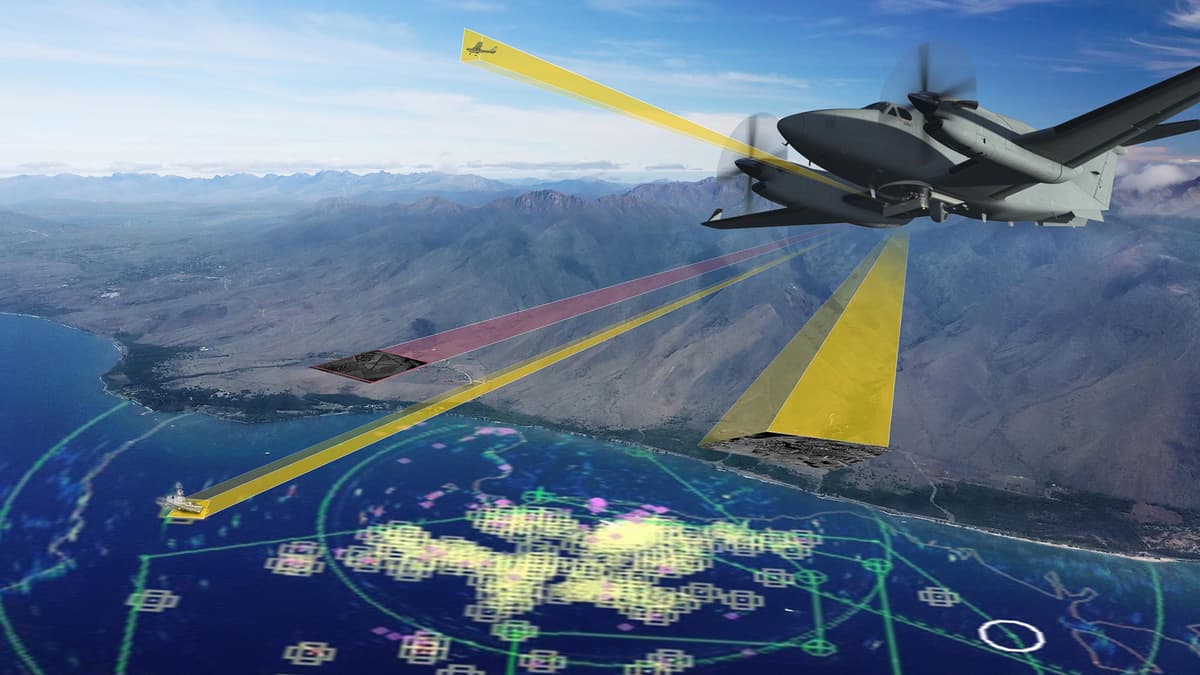
Leonardo Seaspray Radar Picked for Australian Surveillance
Key Takeaways
- •Leonardo's Seaspray 7500E V2 selected for Australia's Aerial Surveillance Service
- •Metrea will operate eleven crewed aircraft equipped with the radar
- •Radar detects small, low‑signature objects like people in water at range
- •AESA design allows rapid mode changes without mechanical antenna movement
Pulse Analysis
Australia’s expansive coastline and busy shipping lanes have driven a surge in demand for advanced maritime ISR platforms. By integrating Leonardo’s Seaspray 7500E V2 into the Aerial Surveillance Service, the Department of Home Affairs aims to close surveillance gaps that have historically hampered interdiction and search‑and‑rescue missions. The eleven Metrea‑managed aircraft will provide continuous coverage, leveraging the radar’s ability to switch between long‑range detection and high‑resolution synthetic aperture imaging, thereby delivering a layered picture of both surface and sub‑surface activity.
The Seaspray 7500E V2 stands out for its active electronically scanned array technology, which replaces mechanical antenna movement with electronic beam steering. This enables rapid transitions between modes such as long‑range search, ground mapping, and the newly emphasized Small Target Mode that can isolate tiny, low‑signature contacts—critical for spotting rogue vessels or individuals in distress. Operating at hundreds of nautical miles, the radar’s synthetic aperture capability produces detailed terrain maps, while its multi‑mode flexibility supports simultaneous monitoring of air, sea, and land domains, a rare combination in a single lightweight package.
For Leonardo, the contract underscores a strategic win in a competitive global market dominated by U.S. and Israeli radar manufacturers. Production split between the United Kingdom and Italy not only diversifies the supply chain but also showcases the firm’s European engineering depth. The deal may act as a springboard for further sales to allied nations seeking AESA‑based ISR solutions, especially as geopolitical tensions push governments to modernise border‑security assets. In the broader context, the selection signals a shift toward software‑driven, multi‑role radars that can be retrofitted onto existing platforms, offering cost‑effective upgrades for legacy fleets.
Leonardo Seaspray radar picked for Australian surveillance
Comments
Want to join the conversation?