MaiaSpace Pushes Inaugural Launch of Maia Rocket to 2027
•March 2, 2026
0
Key Takeaways
- •Launch moved to 2027, delayed from late‑2026
- •Maia rocket delivers 1,500 kg to LEO expendable
- •Kick stage adds up to 1,000 kg performance
- •Reusing 80% of Soyuz site cuts costs, environmental impact
- •Vertical integration test planned before end‑2026
Summary
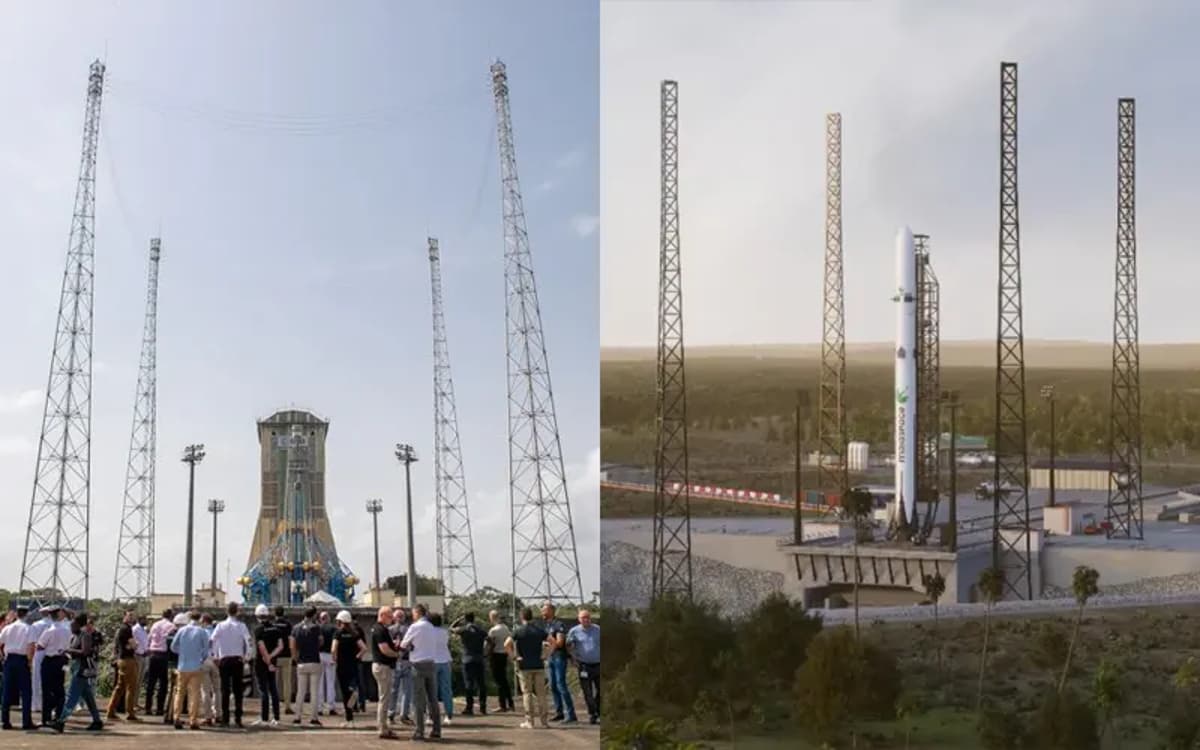
MaiaSpace, an ArianeGroup subsidiary, announced that the inaugural flight of its two‑stage Maia rocket is now slated for 2027, pushing back the original late‑2026 target. The partially reusable vehicle can lift up to 1,500 kg to low‑Earth orbit in an expendable configuration, with a kick‑stage that could add another 1,000 kg of capability. The company signed a Temporary Public Domain Occupancy Agreement to repurpose the former Soyuz launch complex in Kourou, reusing roughly 80% of existing infrastructure. MaiaSpace aims to have the launcher vertically integrated on the pad by the end of 2026 for combined ground‑flight testing.
Pulse Analysis
Europe’s small‑sat launch sector has become increasingly crowded, yet demand for dedicated, low‑cost access remains strong. MaiaSpace’s Maia rocket targets this niche with a two‑stage, partially reusable architecture capable of delivering 1.5 tonnes to low‑Earth orbit in an expendable mode and an optional kick‑stage that could boost payload capacity by another tonne. By committing to a sub‑orbital test in late 2026 and a full orbital debut in 2027, the company signals confidence in its iterative development approach, which emphasizes early flight testing to compress schedules.
A pivotal element of MaiaSpace’s strategy is the adaptive reuse of the former Soyuz launch site at the Guiana Space Centre. By retaining up to 80% of the existing infrastructure—such as the integration building, rail network, LOX storage, and flame trench—the firm expects to limit site investment to only a few tens of millions of euros. This not only curtails capital outlay but also reduces environmental impact, aligning with broader EU sustainability goals. The partnership with CNES further embeds the project within France’s national space agenda, ensuring regulatory support and access to critical ground services.
The delayed timeline positions MaiaSpace against a cohort of emerging small‑launch providers, including Rocket Lab, Firefly, and European newcomer Isar Aerospace. However, its backing by ArianeGroup and the cost‑saving infrastructure model could give it a competitive edge in price‑sensitive markets such as Earth observation constellations and on‑demand data services. If MaiaSpace meets its 2027 launch window, it will not only validate its technical concepts but also reinforce Europe’s strategic autonomy in the rapidly evolving commercial launch ecosystem.
Comments
Want to join the conversation?