
New Travel Trends Revealed in The Great British Holiday Audit 2026
•January 31, 2026
0
Why It Matters
The trends signal a re‑orientation of demand toward experiential, longer short‑haul travel, forcing airlines and tour operators to adapt pricing, marketing, and digital tools to capture a more purposeful traveller base.
Key Takeaways
- •Astronomy tourism spikes for 2026 solar eclipse
- •Short‑haul flights of 5‑6 hrs grow 12% to Tunisia
- •VR “try before you fly” used by 49% of travellers
- •Gen‑P travelers pursue spiritual pilgrimages
- •Padel and pickleball boost sports holiday bookings
Pulse Analysis
The Great British Holiday Audit 2026 shows British travellers moving beyond price‑driven decisions toward purpose‑filled holidays. Interest in astronomy tourism is surging, with the August solar eclipse prompting trips to Spain’s dark‑sky locations, while cultural pilgrimages and sport‑focused getaways attract younger cohorts. This pivot reflects a broader desire for experiences that align with personal passions, signalling a market where authenticity and narrative outweigh traditional convenience. Gen‑P travellers, a newly identified cohort, are prioritising spiritual pilgrimages, while Gen Z leads dark‑sky tourism, underscoring how age groups shape niche markets.
At the same time, short‑haul routes of five to six hours are gaining traction, delivering a 12% rise in flights to Tunisia and new direct services to Tbilisi. EasyJet’s data indicates that longer‑duration, low‑cost flights are reshaping the European leisure map. Meanwhile, nearly half of holidaymakers now preview destinations with virtual‑reality headsets, and 22% rely on translation apps, reducing friction and expanding confidence in off‑beat markets. These longer short‑haul hops also allow carriers to optimise aircraft utilisation while keeping carbon footprints comparable to traditional short trips.
Sport‑led and screen‑inspired tourism are also reshaping demand, with padel and pickleball holidays driving bookings in Spain and 28% of Brits choosing destinations featured in TV shows or books. The post‑pandemic focus on wellbeing and connection encourages flexible travel windows and community‑based experiences. For airlines and tour operators, these trends demand adaptable fare structures, targeted marketing around events, and investment in digital preview tools to capture a more intentional, experience‑seeking traveller base. Looking ahead to 2027, operators that integrate immersive previews and flexible booking policies are likely to capture the growing share of purpose‑driven holidaymakers.
New Travel Trends Revealed in The Great British Holiday Audit 2026
The annual Great British Holiday Audit for 2026, recently released by easyJet and easyJet Holidays, has revealed a fascinating shift in how British travellers will plan and experience their holidays over the coming year. The latest findings, based on a survey of 2,000 British holidaymakers, show that the future of travel is being shaped by cultural, technological, and generational changes.
Meaningful Travel on the Rise
This year’s report highlights that British holidaymakers are increasingly planning trips that align with their passions, whether that’s pursuing cultural experiences, indulging in sports, or following significant astronomical events. Rather than choosing destinations based solely on affordability or proximity, 2026’s travellers are driven by the desire for deeper, more meaningful travel experiences.
One of the most notable trends is the rise of “astronomy tourism.” With the total solar eclipse set to be visible from parts of Spain in August, including Valencia, Palma Mallorca, and Ibiza, many Brits are planning to travel for this once-in-a-lifetime celestial event. Dark sky tourism, which appeals to stargazing enthusiasts and astrophotographers, is growing in popularity, particularly among Gen Z.
Long-Haul Experiences, Short-Haul Routes
While the idea of a “quick getaway” remains popular, British holidaymakers are now increasingly opting for longer short-haul flights of five to six hours. This trend has led to a surge in bookings to destinations like Tunisia, with easyJet reporting a 12% increase in flights to the country for 2026. The Georgian capital of Tbilisi is also becoming a top choice for city breaks, thanks to new direct routes from the UK. Meanwhile, longer leisure destinations such as Morocco, Turkey, and Cyprus have seen a 21% increase in popularity compared to last year.
Nigel Thompson, renowned travel expert and co-author of the report, explains: “We’re seeing travellers plan around passions and purpose – whether that’s spirituality, culture, sport or nature. It looks like 2026 is about meaning as much as mobility, but value remains a key factor.”
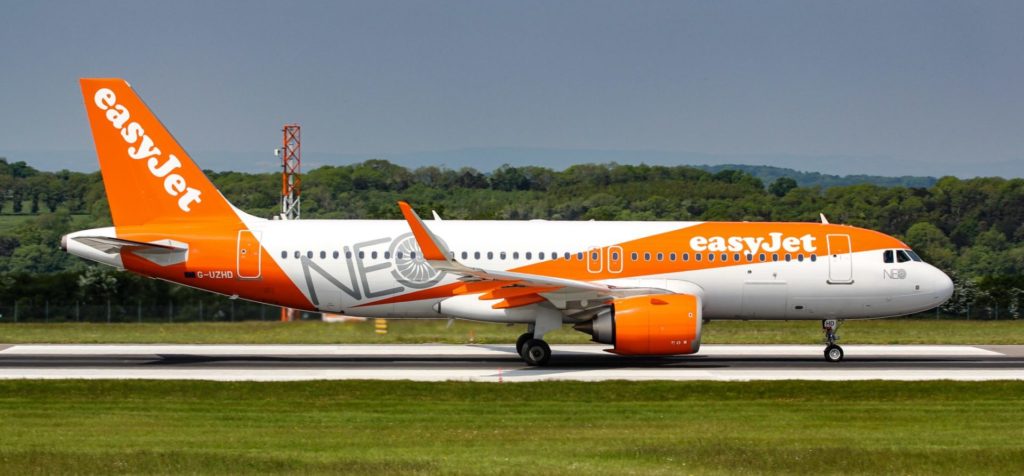
Easyjet A320neo (Image: UK Aviation Media)
Generational Shifts in Travel
The report also sheds light on how different generations are shaping the way people holiday. For example, parents with young children are taking advantage of flexible travel schedules, getting away before term-time restrictions take hold. Meanwhile, empty-nester “Home Alone” parents, whose grown-up children stay behind to look after the house or pets, are rediscovering the freedom to travel again.
A surprising trend is the rise of “Gen-P” travellers—those from younger generations seeking spiritual journeys. Pilgrimages to destinations like Santiago de Compostela and Lourdes are gaining traction as younger holidaymakers seek deeper connections with their faith, culture, and surroundings.
Technology and the ‘Try Before You Fly’ Experience
As technology continues to revolutionise the travel experience, nearly half (49%) of holidaymakers are now utilising virtual reality (VR) headsets, vlogs, and even street view tours to preview destinations before booking their trips. This “try before you fly” approach is making it easier for Brits to explore unfamiliar destinations from the comfort of their homes. Additionally, 22% of holidaymakers are turning to translation technology to help navigate foreign countries, breaking down language barriers and boosting confidence.
Kenton Jarvis, CEO of easyJet, notes: “We’re already seeing shifts in customer behaviour, like longer short-haul routes growing in popularity, and technology playing a greater role in making unfamiliar destinations accessible. Our goal is to keep fares low and journeys seamless, making travel easier for everyone.”
The Rise of Sport and Screen-Led Tourism
Sporting events are also influencing where people travel. With the 2026 World Cup scheduled across the Atlantic, many Brits are expected to stay closer to home, watching the games in local fan zones across Europe to soak up the atmosphere without the long-haul travel.
Padel, a fast-growing racquet sport, is driving a new wave of sports holidays, particularly in Spain, where the sport’s popularity is now outpacing tennis. Around 10% of holidaymakers are now incorporating padel or pickleball into their trips.
Cultural moments, particularly those amplified by television and literature, are also playing a significant role in destination selection. Over a quarter (28%) of Brits are now choosing holiday spots based on popular TV shows, books, and films. The return of The White Lotus to Europe is expected to boost travel to the south of France, while literary fans are flocking to destinations tied to famous works, such as Shakespeare’s Verona or Hemingway’s Pamplona.
A Focus on Connection and Wellbeing
The pandemic has had a lasting impact on travel habits, with many people now prioritising wellbeing, connection, and meaningful experiences over simply taking time away. Garry Wilson, CEO of easyJet Holidays, says: “There’s a clear desire to make holidays count. People are becoming more intentional about how and when they travel, whether that’s by getting away before the routine of everyday life takes over, switching off from screens, or planning trips around moments that cannot be recreated at home.”
He adds: “From community-organised trips to experience-led holidays, we’re seeing people seek out connections, experiences, and memories that last. At easyJet Holidays, we’re committed to supporting our customers with flexible options and a wide range of destinations to ensure that their holidays fit around what matters most to them.”
As 2026 approaches, it’s clear that British holidaymakers are not just looking for a quick escape—they’re seeking transformative, meaningful experiences that connect them with the world in new and exciting ways. Whether through technology, cultural moments, or longer short-haul flights, the future of travel is set to be more intentional, immersive, and personal than ever before.
The post New Travel Trends Revealed in The Great British Holiday Audit 2026 appeared first on UK Aviation News.
0
Comments
Want to join the conversation?
Loading comments...