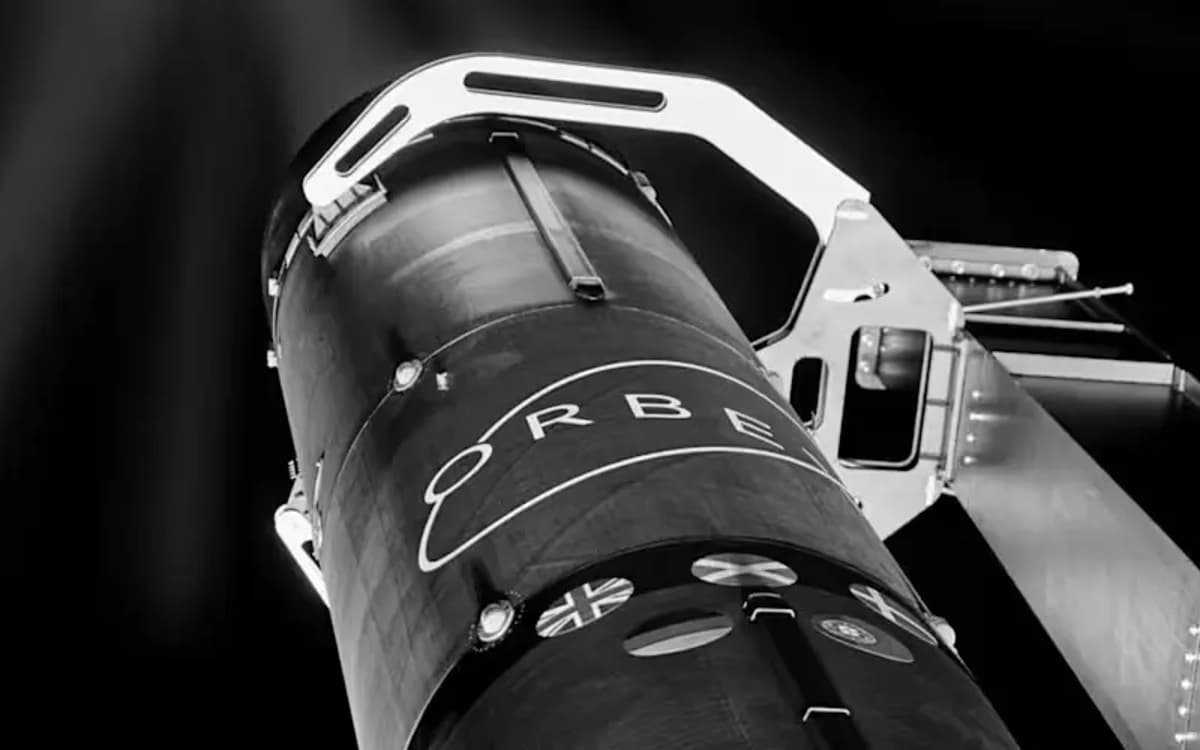
Orbex Fails After Planned Purchase Falls Through
•February 11, 2026
0
Why It Matters
Orbex’s failure highlights the funding fragility of emerging European launch firms and could slow the UK’s sovereign access ambitions. It also signals consolidation pressure in a crowded small‑sat launch market.
Key Takeaways
- •Orbex enters insolvency after acquisition collapse
- •90 employees cut after Danish factory shutdown
- •150 UK staff face redundancy risk
- •Prime and Proxima rockets now stalled
- •UK launch ecosystem loses a sovereign capability
Pulse Analysis
The demise of Orbex underscores the precarious financial landscape that many nascent launch providers navigate. While Europe has cultivated a vibrant ecosystem of satellite manufacturers and ground services, the capital intensity of rocket development remains a barrier. Orbex’s business model—focused on low‑cost, environmentally friendly launches from the UK—required substantial upfront investment to certify its Prime vehicle and scale production of the larger Proxima. The failed takeover by The Exploration Company removed a potential cash infusion, leaving the company unable to meet its development milestones and prompting administrators to seek any viable asset sale.
For the United Kingdom, Orbex represented a strategic step toward sovereign launch capability, reducing reliance on foreign providers and supporting national security objectives. Its insolvency creates a gap in the domestic supply chain, potentially delaying scheduled payloads and eroding confidence among investors and satellite operators. The broader European launch sector may feel ripple effects as customers reassess risk, prompting a shift toward more established players like Arianespace, Rocket Lab, or emerging small‑sat firms with stronger balance sheets. This could accelerate consolidation, with larger entities acquiring distressed assets to expand their launch cadence.
Looking ahead, the Orbex case serves as a cautionary tale for venture‑backed aerospace startups. Sustainable growth will likely depend on diversified funding sources, including government contracts, strategic partnerships, and perhaps new financing mechanisms such as space‑focused venture debt. Policymakers may also consider targeted incentives to retain critical launch capabilities within Europe, ensuring that the continent remains competitive in the rapidly evolving space economy. The outcome of Orbex’s administration will be watched closely, as any asset sale could provide a foothold for another player to revive the Prime rocket program or repurpose its technology for future missions.
Orbex Fails After Planned Purchase Falls Through
0
Comments
Want to join the conversation?
Loading comments...