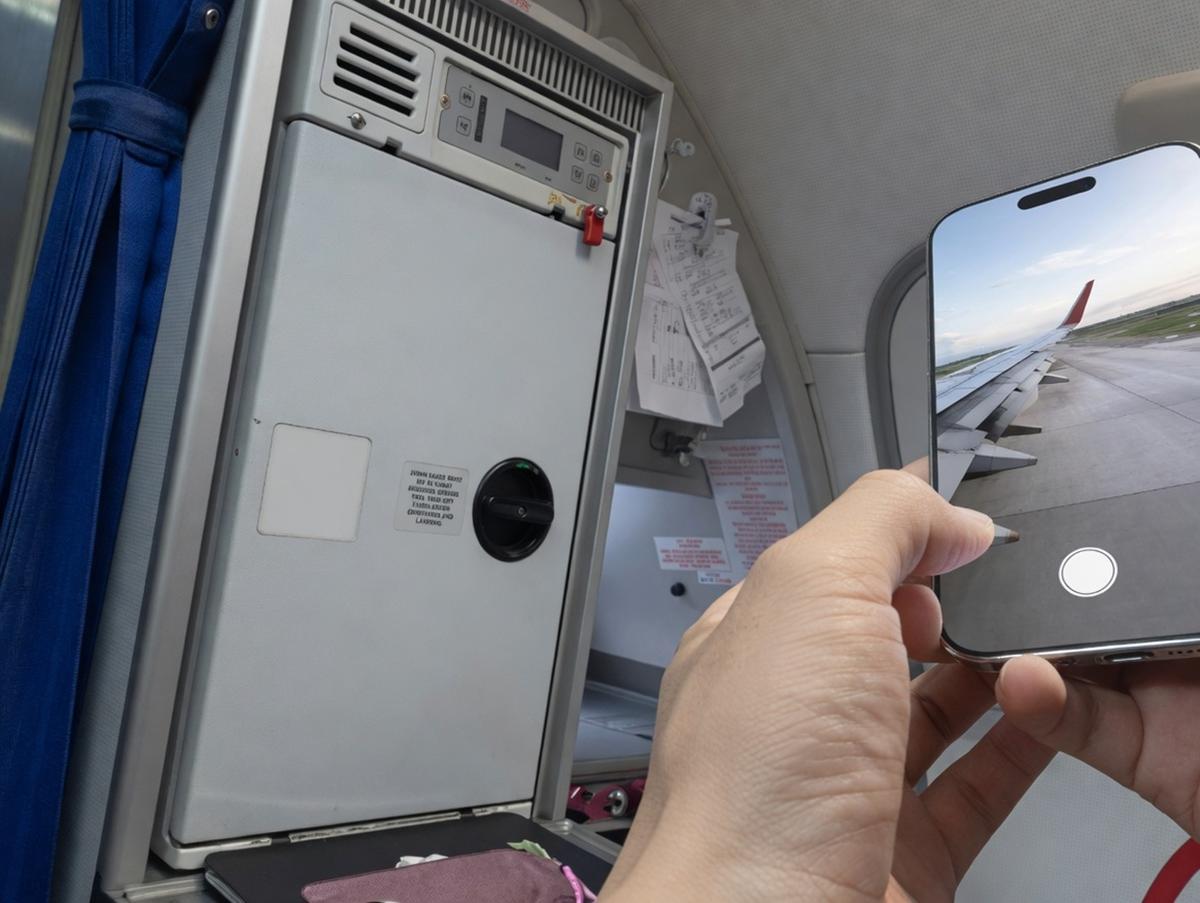
Passenger Spots Loose Wing Part On Boeing 737 — Forcing Airline To Pull Jet From Service
Key Takeaways
- •Passenger captured photo of detached flap‑rail fairing on wing
- •Boeing 737‑800 removed from service for immediate maintenance
- •Fairing loss can add up to 300 lb drag during climb
- •Crew relayed passenger evidence to cockpit, prompting inspection
- •Incident highlights value of passenger vigilance in aviation safety
Pulse Analysis
The Shenzhen Airlines incident on May 13 provides a vivid reminder that the eyes on the tarmac can be as valuable as the instruments in the cockpit. A vigilant passenger noticed a missing piece of the Boeing 737‑800’s flap‑rail fairing—a canoe‑shaped component that smooths airflow over the wing’s leading edge. By sharing a photo with cabin crew, the traveler set off a chain of communication that led pilots to verify the defect, land safely in Shenzhen, and pull the aircraft from the schedule for repairs. Such real‑time, ground‑level reporting is rare but increasingly documented, adding a new layer to the safety net traditionally managed by pilots and maintenance crews.
Technically, a detached flap‑rail fairing does not directly control the aircraft, yet its loss can degrade aerodynamic efficiency. Engineers estimate a performance penalty of roughly 150 lb of lift during takeoff and landing, rising to 300 lb during climb, potentially affecting fuel burn and climb gradients. While regulations permit dispatch of a 737 with a missing fairing if logged and inspected, a partially detached piece poses a higher risk of striking moving surfaces, which could lead to further structural damage. The incident therefore illustrates the fine line between acceptable wear and a safety‑critical fault, prompting regulators and manufacturers to revisit inspection criteria for such components.
From an industry perspective, the episode reinforces a growing trend toward crowdsourced safety vigilance. Airlines are now more likely to encourage passengers to report anomalies, integrating such feedback into their safety management systems. Rapid response—evident in Shenzhen Airlines’ swift grounding and repair—helps preserve brand reputation and minimizes operational disruptions. As airlines balance cost pressures with safety imperatives, leveraging passenger observations could become a standard practice, enhancing overall aviation safety culture.
Passenger Spots Loose Wing Part On Boeing 737 — Forcing Airline To Pull Jet From Service
Comments
Want to join the conversation?