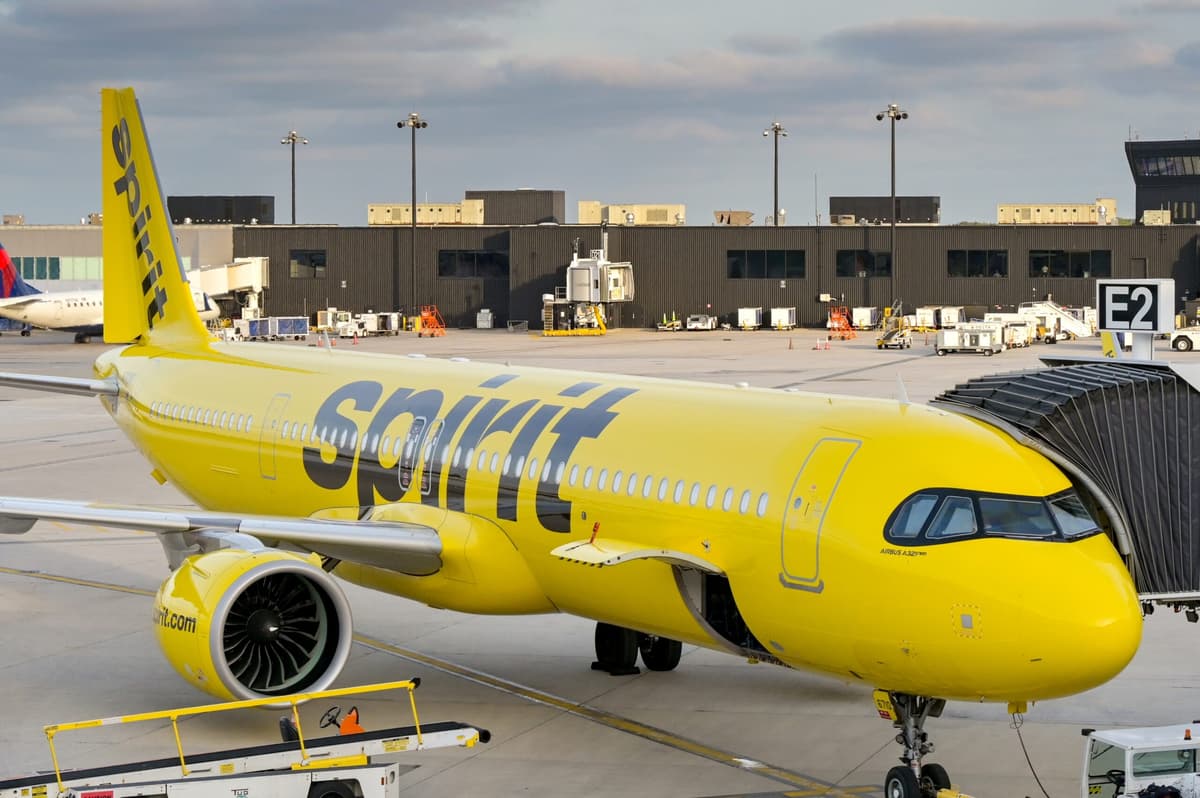
Passengers Who Were Injured When Delta Air Plane Hit Spirit Jet As It Was Boarding At Cleveland Sue After Suffering Slew of Injuries
Key Takeaways
- •Delta’s wingtip struck Spirit’s Airbus during boarding, injuring passengers
- •Plaintiffs sue both airlines, alleging negligence and inadequate safety measures
- •Incident adds to rising low‑speed taxi collisions at U.S. airports
- •Lawsuits could pressure carriers to improve gate‑side procedures
- •Similar Frontier‑American dispute shows costly aircraft damage claims
Pulse Analysis
The Cleveland incident underscores how even low‑speed ground maneuvers can have serious passenger consequences. At roughly 8 p.m., a Delta 737 was cleared to push back from an adjacent gate, and its wingtip made contact with the Spirit A321 that was still boarding. Passengers were jolted from their seats, resulting in neck, back, and head injuries and medical expenses that now form the basis of a multi‑defendant negligence suit. While the collision occurred at a modest speed, the lack of a safety buffer between active boarding doors and moving aircraft proved costly.
Across the United States, similar low‑speed collisions have risen, prompting industry watchdogs to scrutinize gate‑side procedures. Recent cases, such as Frontier’s lawsuit against American Airlines over a $670,000 repair bill, illustrate how minor taxi‑way impacts can ground aircraft for days, erode airline profitability, and expose carriers to substantial liability. Regulators have issued guidance on minimum separation distances and push‑back clearances, yet enforcement varies by airport, leaving gaps that airlines and ground crews must address proactively.
The legal action against Delta and Spirit may set a precedent for shared liability when both the moving and stationary aircraft are deemed at fault. Plaintiffs argue that Spirit failed to implement a reasonable safety response, despite its bankruptcy status, while Delta is accused of negligent aircraft handling. If courts uphold joint responsibility, airlines could face higher insurance premiums and be compelled to adopt advanced ground‑radar systems, stricter crew training, and real‑time monitoring to prevent future incidents. Such reforms would not only protect passengers but also mitigate the financial fallout from costly repairs and litigation, reinforcing a safer, more accountable aviation ecosystem.
Passengers Who Were Injured When Delta Air Plane Hit Spirit Jet As it Was Boarding At Cleveland Sue After Suffering Slew of Injuries
Comments
Want to join the conversation?