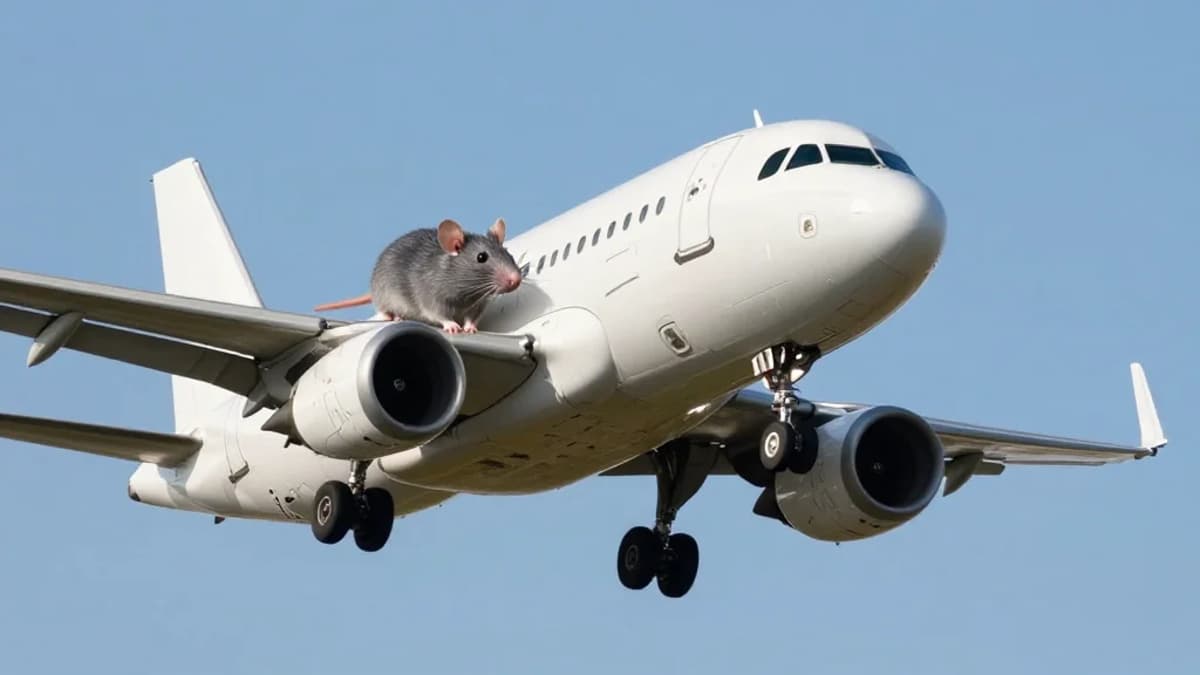
Pilots of SAS Flight To Malaga Forced To Divert After Passengers Spot Rodent Stowaway
Key Takeaways
- •SAS flight diverted after mouse sighting onboard Airbus A320.
- •Incident marks second rodent-related diversion to Malaga in 18 months.
- •Rodents can damage flight‑critical wiring, prompting precautionary returns.
- •Returning to home base allows airline’s engineers thorough inspection.
- •Pest‑control lapses increase costs and erode passenger confidence.
Summary
SAS pilots diverted a Stockholm‑Malaga Airbus A320 after passengers spotted a mouse aboard, turning the aircraft back after roughly two hours in flight. This marks the second rodent‑related diversion on a SAS Malaga route within eighteen months, following a similar incident in February 2024. Rodents pose a safety risk by potentially chewing critical wiring, prompting the airline to return to its home base for a thorough inspection. The event highlights ongoing pest‑control challenges for airlines and the operational costs of unscheduled returns.
Pulse Analysis
The latest diversion of SAS Flight SK‑1583 underscores how even a tiny mouse can disrupt modern air travel. On February 15, 2026, the Stockholm‑Malaga Airbus A320 turned back after passengers reported a rodent roaming the cabin, ending a three‑hour journey and grounding the aircraft for inspection. This is the second mouse‑related incident on a SAS Malaga route within eighteen months, following a similar event in February 2024. While rodents are an uncommon sight, their ability to gnaw insulation and wiring makes them a genuine safety concern for airlines worldwide.
From an operational standpoint, the decision to return to Stockholm rather than continue to Malaga reflects a risk‑averse strategy. Returning to the carrier’s primary maintenance hub ensures that certified engineers can perform a comprehensive check of avionics, hydraulic lines, and cabin systems before the aircraft resumes service. The diversion cost the airline thousands of euros in fuel, crew time, and passenger compensation, and it adds to reputational risk when travelers experience unexpected delays. Regulators such as EASA closely monitor wildlife intrusions, and airlines are expected to demonstrate robust pest‑control protocols.
The incident highlights a growing need for proactive pest‑management solutions across the aviation sector. Airlines are investing in sealed cargo doors, ultrasonic deterrents, and regular cabin inspections to prevent rodents from boarding during ground handling. Moreover, data from flight‑tracking platforms reveal that wildlife‑related diversions, though rare, can cascade into schedule disruptions for connecting flights. As airlines balance cost efficiency with safety, integrating advanced monitoring technologies and tightening supply‑chain controls for catering and baggage handling will become essential to safeguard both aircraft integrity and passenger confidence.
Pilots of SAS Flight To Malaga Forced To Divert After Passengers Spot Rodent Stowaway


Comments
Want to join the conversation?