Royal Navy Explores Drones for Maritime Range Clearance
Key Takeaways
- •Royal Navy issued RFI for uncrewed aerial range‑clearance systems.
- •Clearance area up to 500 km × 800 km, 350,000 sq km.
- •Reducing crewed aircraft frees assets for urgent missions.
- •RFI aims to inform future procurement, not a contract.
- •Enhances UK‑France interoperability shown at Exercise Wildfire.
Pulse Analysis
Maritime test ranges are among the most demanding environments for safety assurance, requiring large exclusion zones to protect civilian and military traffic during high‑energy trials. Traditionally, the Royal Navy has deployed crewed helicopters and fixed‑wing aircraft to patrol these zones, a practice that ties up valuable air assets and can cause schedule slippage when operational priorities shift. By exploring uncrewed aerial systems, the service hopes to maintain continuous, real‑time surveillance without exposing pilots to risk, while also reducing fuel and maintenance costs associated with manned platforms.
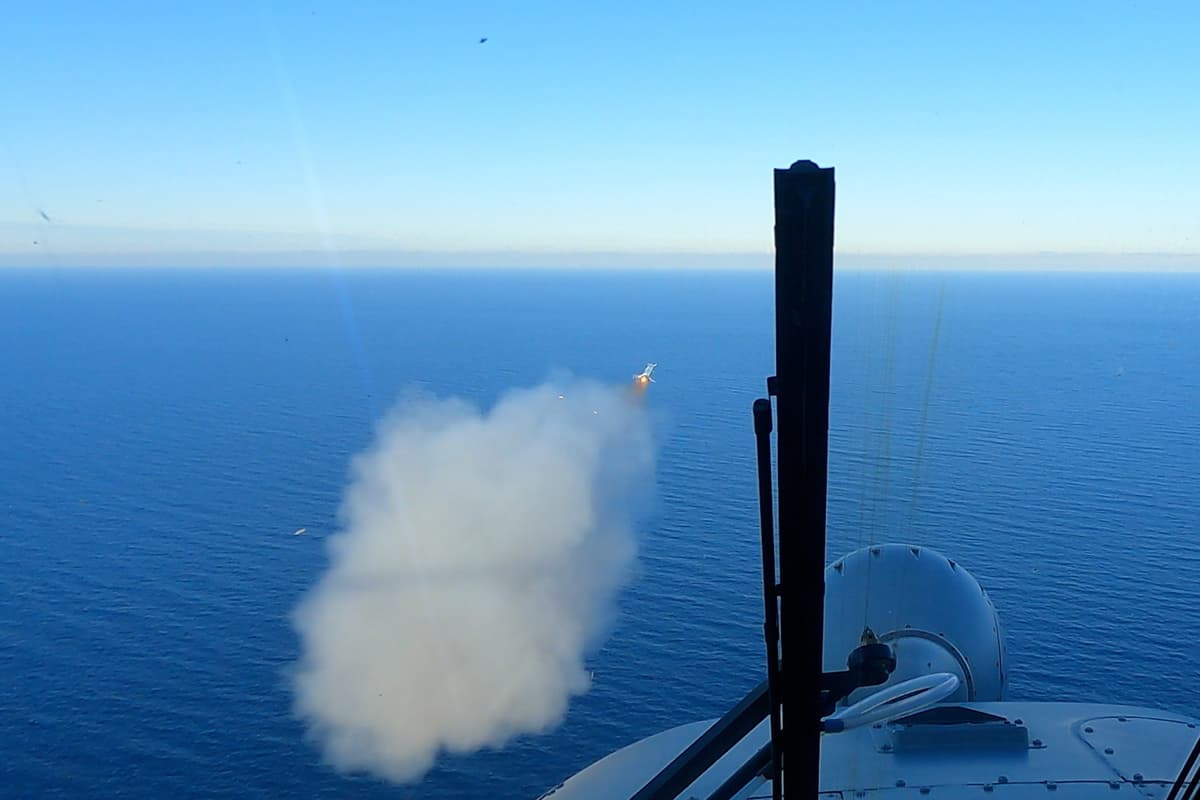
The April 14 prior information notice signals the MOD’s intent to map the emerging drone market before launching a formal procurement. Advances in autonomous sensing, AI‑driven target identification, and long‑endurance electric propulsion make modern UAVs well‑suited to monitor the 350,000‑square‑kilometre area the Navy needs to clear. Industry players can showcase solutions ranging from swarming sensor networks to high‑resolution radar‑equipped quad‑rotors, building on recent successes like the Wildcat‑Martlet engagement at Exercise Wildfire, where a manned‑drone partnership proved effective against hostile UAS threats.
If the Royal Navy adopts drone‑based clearance, the ripple effects could reshape UK defence logistics and procurement. A successful strategy would free manned aircraft for rapid response tasks, improve trial throughput, and provide a template for NATO allies facing similar range‑management challenges. Moreover, early market engagement positions British firms to capture export opportunities in allied maritime domains, reinforcing the UK’s position as a hub for cutting‑edge defence technology. The RFI’s outcomes will guide a procurement roadmap that balances capability, cost‑effectiveness, and interoperability, setting the stage for a new era of autonomous maritime safety operations.
Royal Navy explores drones for maritime range clearance
Comments
Want to join the conversation?