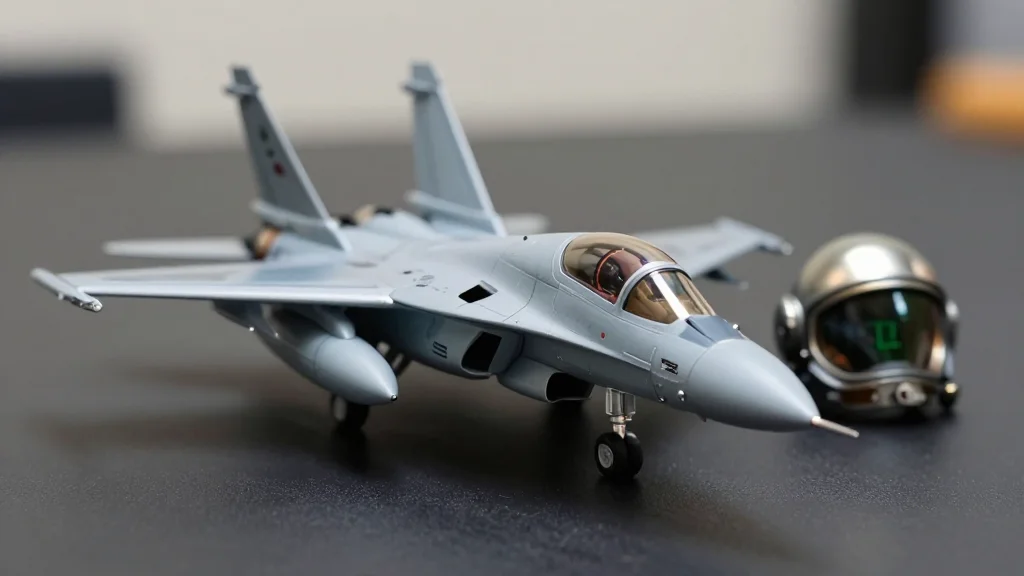
Second and Third Prototypes of Turkey’s Kaan Fighter Have Emerged
Key Takeaways
- •P1 and P2 prototypes spotted, testing set for 2026
- •Engine intake moved back for sensor space and DAS
- •Indigenous TF‑35000 engine development underway for Kaan
- •Tulgar helmet‑mounted display visible on P1 cockpit
- •Landing gear redesign creates ventral weapons storage capacity
Pulse Analysis
Turkey’s Kaan fighter program has entered a critical phase with the public unveiling of its P1 and P2 prototypes. The visual evidence, captured during a Defence Industry Agency visit to Turkish Aerospace Industries, confirms that the airframes are on track for static testing between April and June 2026. This milestone follows the 2024 high‑speed prototype flight and reflects a concerted effort to compress development timelines, a strategy echoed by other advanced military projects worldwide. By positioning the Kaan as a home‑grown Gen‑5 platform, Ankara aims to fill the capability gap left by its 2020 removal from the F‑35 program.
The new prototypes incorporate several aerodynamic and systems refinements that underscore Turkey’s engineering agility. The engine intake has been relocated rearward, directly under the cockpit hinge line, freeing space for a suite of self‑defensive sensors and a Distributed Aperture System‑style 360‑degree vision capability. A wider nose and adjusted landing gear now accommodate both internal and external ventral weapon bays, enhancing payload flexibility. Inside the cockpit, the Tulgar helmet‑mounted display—long shown in renderings—appears operational, promising pilots immersive situational awareness comparable to Western fifth‑generation fighters.
Beyond airframe tweaks, the Kaan’s future hinges on the domestically produced TF‑35000 turbofan, developed by Turkish Engine Industries. Replacing the GE F110‑GE‑129E engine, the TF‑35000 is intended to power production models and bolster Turkey’s defense industrial sovereignty. Success of this engine program could strengthen Ankara’s bargaining position with the United States regarding potential F‑35 reintegration or other technology transfers. Moreover, the Kaan is slated to operate alongside indigenous UCAVs such as Anka 3 and Kızıl Elma, creating a cohesive, indigenously supported combat ecosystem that may influence regional air power balances.
Second and Third Prototypes of Turkey’s Kaan Fighter Have Emerged
Comments
Want to join the conversation?