SITAEL Accelerates Growth in Space: New Missions, Industrial Capacity and a Trajectory Towards 2031
Key Takeaways
- •SITAEL targets $216 M revenue by 2031, up from $65 M today.
- •Backlog exceeds $162 M, supporting nine launches through 2030.
- •Prime contractor for ESA’s Scout HiBiDiS biodiversity mission.
- •MoU with Poland’s Eycore expands SAR and Earth‑observation services.
- •New electric‑propulsion line in Pisa boosts low‑orbit satellite capabilities.
Pulse Analysis
Europe’s emerging "new space" cycle is shifting from ad‑hoc missions to sustained, sovereign capabilities in communications, Earth observation and defence. SITAEL’s roadmap taps this transition, projecting revenue growth to $216 million by 2031 and expanding its EBITDA margin to 25%. Backed by a $162 million order backlog, the company can fund nine launches between 2026 and 2030, reinforcing its position as a European‑scale integrator that can deliver complete satellite platforms, propulsion systems and data services under one roof.
The flagship Scout HiBiDiS mission underscores SITAEL’s technical depth. As prime contractor, the firm will deliver the EMPYREUM platform and a propellant‑less RAM‑EP thruster for very low‑Earth‑orbit operations. The mission’s hyperspectral payload, developed with AMOS, VITO and the University of Zurich, will provide unprecedented multi‑angular observations of forest biodiversity, filling a critical gap in global ecosystem monitoring. Success will not only boost SITAEL’s credibility with ESA but also open commercial pathways for high‑value environmental data services.
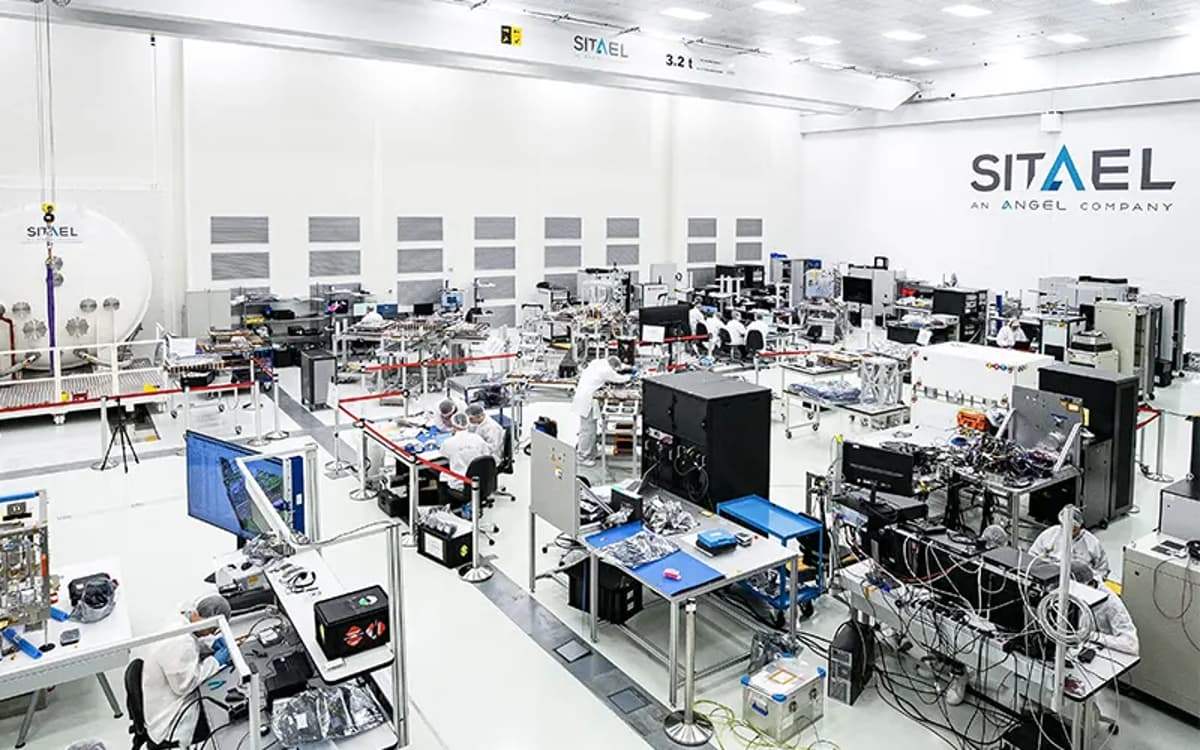
Strategic partnerships further amplify SITAEL’s growth engine. The MoU with Poland’s Eycore opens collaborative opportunities in synthetic‑aperture‑radar (SAR) and advanced satellite services, extending market reach across Central and Eastern Europe. Meanwhile, the newly inaugurated Hall‑effect electric‑propulsion line in Pisa equips the company with in‑house low‑cost, high‑efficiency thrusters ideal for constellations and sustainability‑focused missions. Combined with its clean‑room hub in Bari, SITAEL now offers a vertically integrated production ecosystem that can meet the continent’s push for industrial autonomy and rapid launch cadence.
SITAEL Accelerates Growth in Space: New Missions, Industrial Capacity and a Trajectory Towards 2031
Comments
Want to join the conversation?