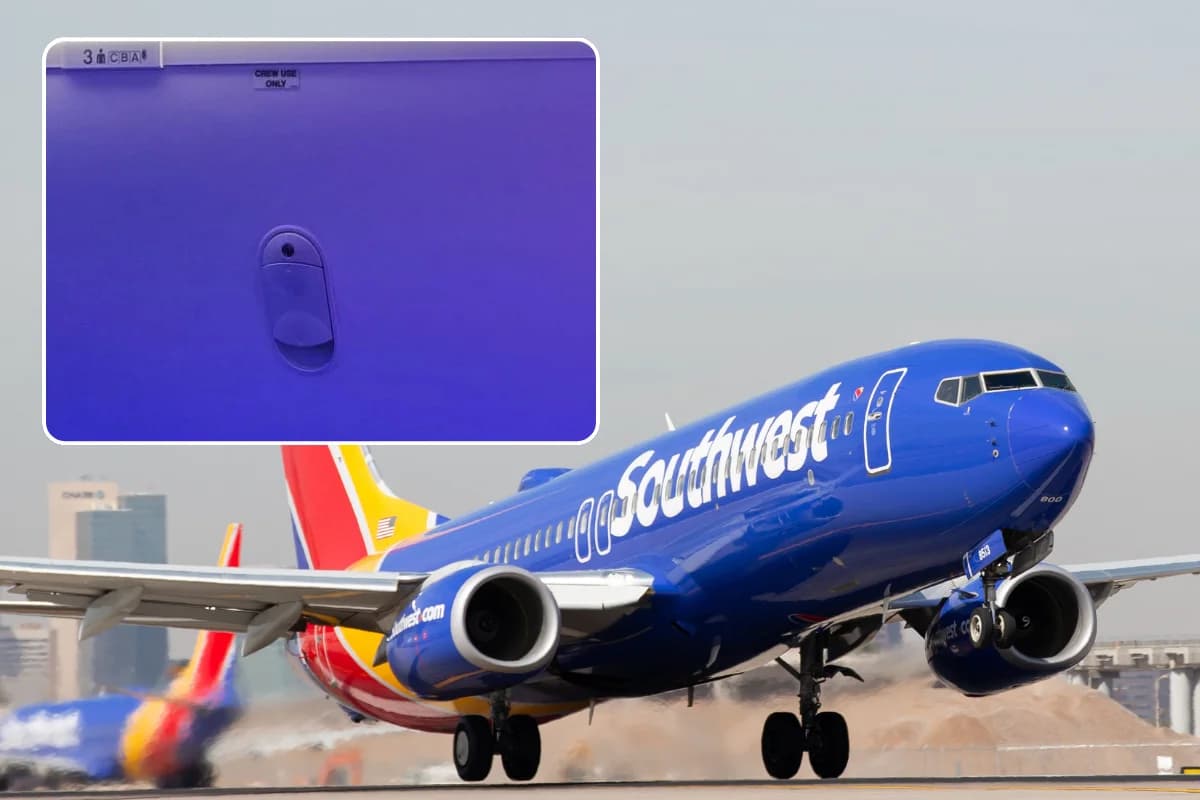
Southwest Airlines Passengers Are Just Discovering There’s a Locked Overhead Bin Just For Crew And They Are Furious
Key Takeaways
- •Southwest ended free checked‑bag policy.
- •Assigned seating introduced after 50 years.
- •Crew‑only overhead bins block front cabin storage.
- •Front‑row passengers forced to store bags near row 12.
- •Boarding delays increase due to bag relocation.
Summary
Southwest Airlines has eliminated its free checked‑bag allowance and introduced assigned seating, concentrating carry‑on luggage in the front rows. Passengers in rows two through five find the overhead bins already full, while a locked crew‑only bin above rows two and three remains inaccessible. The shortage forces travelers to store bags farther back and then backtrack to their seats, slowing boarding and deplaning. Southwest is now urging flight attendants to free the crew bin, but FAA rules keep it locked for crew use.
Pulse Analysis
Southwest Airlines' recent operational tweaks have upended a long‑standing passenger routine. After scrapping its two‑bag‑free‑checked‑baggage policy, more travelers are loading carry‑ons, while the airline's first‑ever assigned‑seat system concentrates those bags in the premium front rows. The combination creates a bottleneck: overhead compartments above rows two through five fill within minutes, leaving early‑boarders without nearby storage. This shift not only frustrates loyal flyers but also reshapes the airline's value proposition, which historically hinged on simplicity and low‑cost convenience.
Complicating matters, Southwest’s 737‑800 and 737‑MAX fleets feature locked crew‑only bins directly above rows two and three. FAA regulations require a secure compartment for flight‑attendant gear, so the airline cannot simply open these spaces to passengers. When the front overhead bins are saturated, crew members must use the locked compartment for their own bags, effectively removing a critical storage zone from the passenger cabin. The result is a cascade of extra walking: passengers stash luggage near the rear, then backtrack to their seats, slowing both boarding and deplaning.
Industry analysts warn that prolonged boarding delays can erode Southwest’s on‑time performance metrics and increase crew fatigue, both of which affect cost structures and brand perception. Potential mitigations include redesigning the crew bin layout, offering a limited number of front‑row passengers a complimentary checked bag, or adjusting the boarding sequence to free up early overhead space. As competitors watch Southwest grapple with the fallout, the episode underscores how even minor cabin‑interior decisions can ripple through operational efficiency and customer loyalty in the ultra‑competitive U.S. domestic market.
Southwest Airlines Passengers Are Just Discovering There’s a Locked Overhead Bin Just For Crew And They Are Furious


Comments
Want to join the conversation?