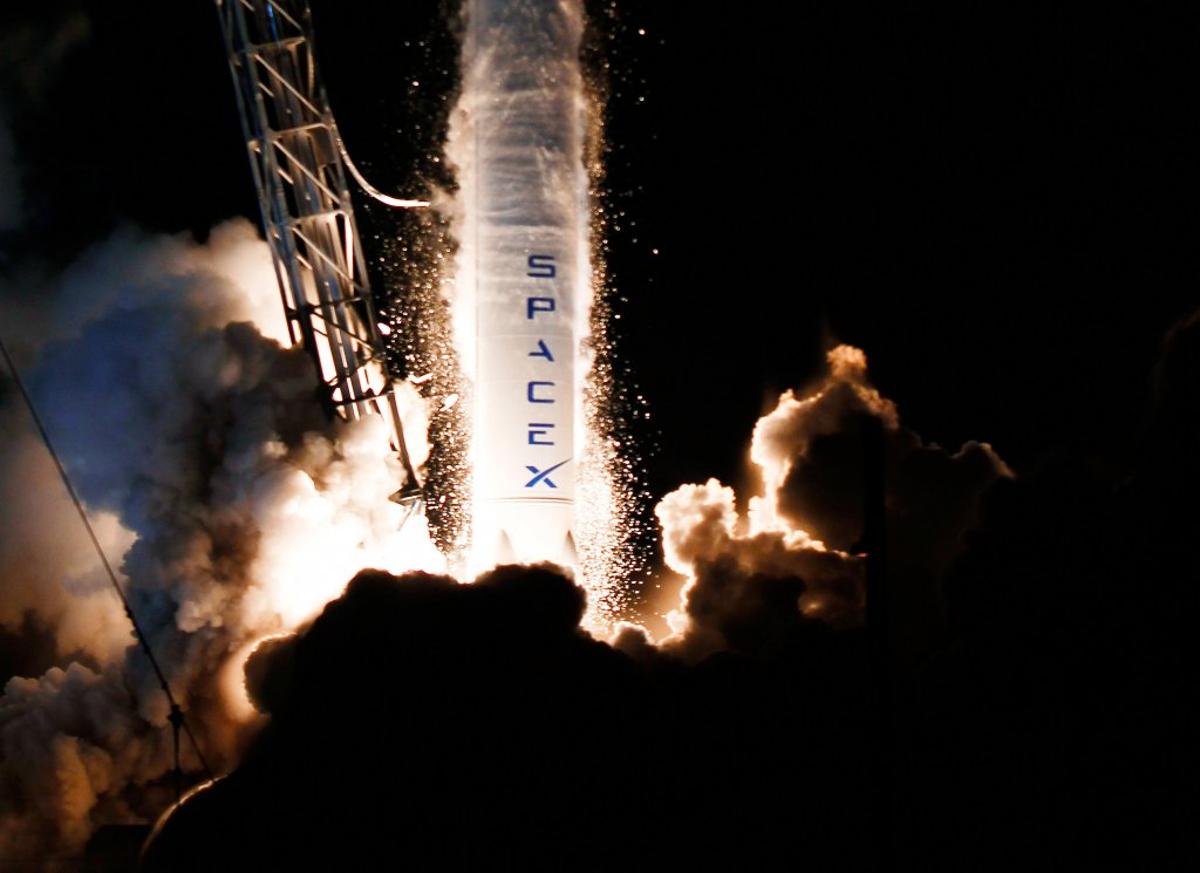
SpaceX Falcon 9 Almost Only Rocket for AST Space Mobile, Amazon LEO and Space Force

Key Takeaways
- •Blue Origin New Glenn grounded 2‑4 months after upper‑stage failure
- •ULA Vulcan grounded due to solid‑rocket booster failures
- •SpaceX Falcon 9 now provider for Amazon, AST Space Mobile, US Space Force
- •$3‑4 billion annual launch contracts shifting from ULA to SpaceX
- •Amazon needs ~30 Falcon 9 launches in 2026 to meet satellite target
Pulse Analysis
The unexpected grounding of Blue Origin’s New Glenn and ULA’s Vulcan rockets has reshaped the U.S. launch market in real time. Both vehicles are sidelined for an estimated two to four months while regulators investigate upper‑stage engine anomalies and solid‑rocket booster failures. With the FAA probe extending New Glenn’s downtime, commercial customers that had diversified launch options are now forced to consolidate their schedules, and SpaceX’s Falcon 9 has emerged as the default workhorse for high‑volume missions.
Amazon’s LEO constellation, originally slated for a faster rollout, received a 24‑month extension that caps the fleet at 1,618 satellites. To meet this revised target, Amazon must schedule roughly 30 Falcon 9 flights in 2026, supplementing the limited Atlas V and Ariane 6 slots already booked. The company’s aggressive push for direct‑to‑cell service—bolstered by its $11.7 billion acquisition of Globalstar—means it will compete directly with SpaceX’s Starlink, which already fields over 10,000 satellites and operates a dedicated DTC fleet. The reliance on Falcon 9 not only accelerates Amazon’s deployment timeline but also intensifies demand for launch capacity.
For the U.S. Space Force, the shift is even more pronounced. Approximately 70 back‑logged defense launches are being re‑routed from ULA to SpaceX, representing $3‑4 billion in annual contract revenue. While SpaceX’s existing pipeline of 150‑160 launches—including 130 Starlink missions—demonstrates robust capability, adding another 30 flights in the latter half of the year will test its production, processing, and launch cadence. Industry analysts see this concentration of demand as a catalyst for further consolidation, but also warn that any bottleneck at SpaceX could ripple through commercial, defense, and broadband satellite programs, reshaping the competitive landscape for years to come.
SpaceX Falcon 9 Almost Only Rocket for AST Space Mobile, Amazon LEO and Space Force
Comments
Want to join the conversation?