The episode highlights how uniform decisions can affect employee morale and brand perception, forcing airlines to balance fashion ambition with workforce acceptance.
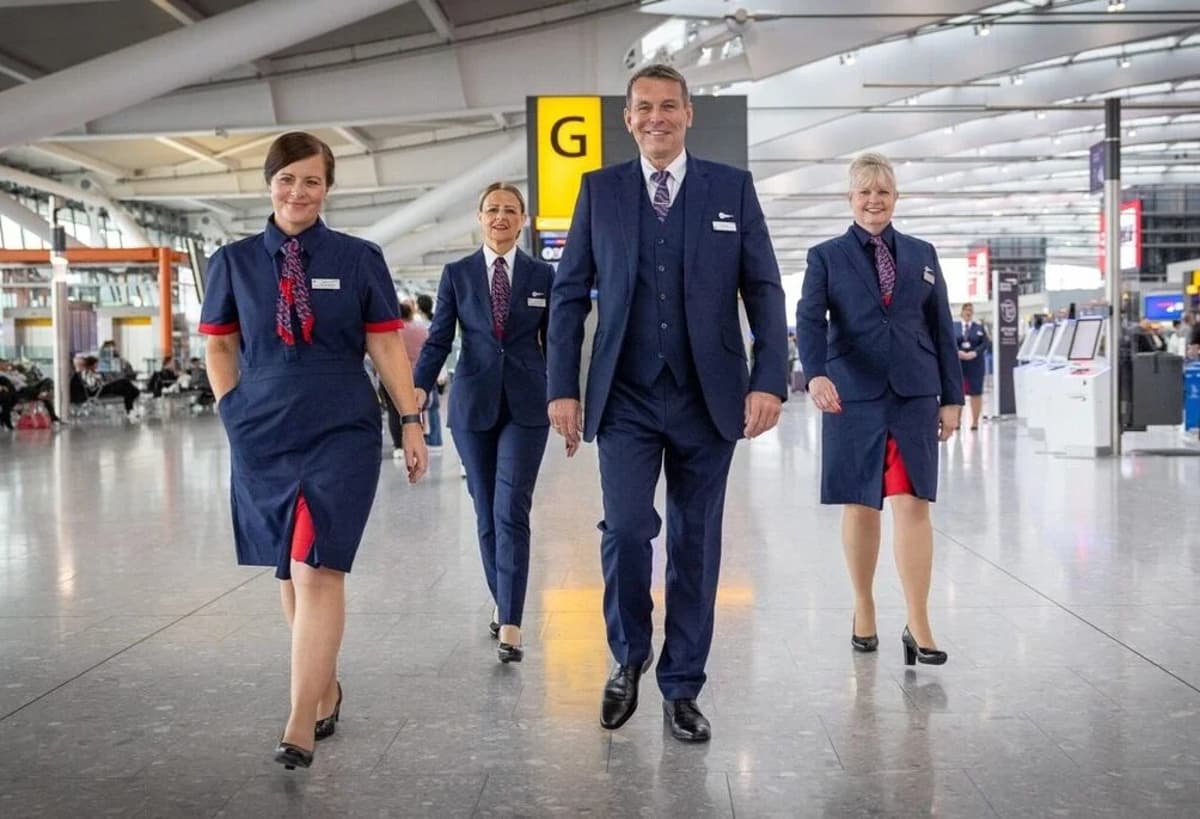
Uniform policies are more than dress codes; they signal an airline’s culture and influence frontline morale. British Airways’ latest misstep began with Ozwald Boateng’s high‑profile redesign, which introduced a frilly neck scarf that many female crew members deemed overly masculine. The swift internal backlash forced the carrier to abandon the tie‑like neckpiece, underscoring how quickly employee sentiment can derail even well‑funded fashion collaborations when the design clashes with gender expectations.
In response, BA introduced a Hermès‑inspired twilly, a narrow silk scarf historically worn as a versatile accessory. However, the airline’s restrictive styling rules—requiring the twilly to hang like a tie—re‑ignited criticism, as staff argued the look reinforced male‑centric workwear rather than offering genuine choice. This episode illustrates the delicate balance airlines must strike between leveraging luxury branding and respecting the practical, aesthetic preferences of their diverse workforce, especially as fashion trends like twillys gain mainstream popularity.
The broader lesson for the aviation sector is clear: uniform changes demand robust stakeholder engagement and transparent communication. Past controversies, such as BA’s brief coffee‑consumption ban, demonstrate the reputational risk of top‑down mandates that appear out of touch. Companies that involve crew representatives early, pilot flexible design options, and align attire with brand values are better positioned to avoid costly rollbacks. As airlines navigate post‑pandemic staffing challenges, maintaining employee goodwill through thoughtful uniform strategies will be a competitive advantage.
British Airways is waving its white flag of surrender after facing a staff revolt over plans to introduce a ‘masculine’ looking necktie for female cabin crew and front-line airport staffers.
The development is the latest twist of what has gone down as BA’s most controversial uniform ever – The October 2023 rollout of new threads designed by the renowned Savile Row tailor Ozwald Boateng.

British Airways staff didn’t like this frilly neck scarf… Its replacement was even more controversial.
But rather than being thrilled with the new look, employees were left horrified. Female cabin crew, in particular, were less than impressed with what they viewed as a ‘masculine’ looking uniform that included a frilly neck scarf that hun down the center of the chest like a man’s tie.
To make matters worse, a questionable red triangle pointing up the center of female skirts, and see-through blouses left workers beyond frustrated with the uniform that had been years in the making.
British Airways eventually admitted that the uniform “wasn’t quite hitting the mark” and promised changes to address some of the biggest complaints that the airline was being inundated with.
One of the changes was ditching the Boateng-designed frilly neck scarf in favor of a long flat piece of fabric that is known as a twilly.
Conceived by the luxury French fashion house Hermès in the 1930s, a twilly is a narrow scarf, typically measuring just 2 inches wide, which can be worn in a variety of ways around the neck or head.
Although they’ve been around for five decades, the twilly is having a bit of a moment, with fashion icons and influencers utilizing twillies to wrap the handles of their Birkin and Kelly handbags.
It sure sounds like a very fashionable choice for British Airways, but the airline wanted to ban flight attendants from wearing the Twilly with any of the traditional versatility it has become known for.
Instead, BA only wanted the twilly to be worn with the scarf wrapped around the back of the neck and two long strips hanging down. It is then secured with what appears to be a tie pin.
Female staffers say the guidelines make it look like they are simply wearing a man’s necktie, and given the fact that British Airways is also replacing the sheer ivory-colored blouse with a white shirt, the connotations with men’s blue-collar workwear are closer than ever.
Frontline managers have already been issued the new twilly after British Airways stopped manufacturing the frilly neck scarf. There had been plans to get staff to wear the twilly from February 2.
But with just days to go, British Airways has been forced into an embarrassing climbdown. The airline says it is now working through the feedback of disgruntled employees to develop new ‘standards’ on how the twilly can be worn.
The latest U-turn comes just months after British Airways was forced to hastily withdraw new uniform and appearance rules that banned pilots and cabin crew from drinking coffee in public and required them to only consume water “discreetly.”
In an internal memo announcing the U-turn, British Airways admitted that the guidelines had “given the impression” that eating and drinking had been banned, but the airline claimed that this was never the case.
British Airways is once again reviewing its uniform guidelines, but if recent history is anything to go by, the chances of the airline announcing something that won’t fall flat with employees are pretty slim.
The post Staff Revolt Forces British Airways to Abandon Plans to Introduce ‘Masculine’ Neck Ties For Female Cabin Crew appeared first on PYOK.
Comments
Want to join the conversation?
Loading comments...