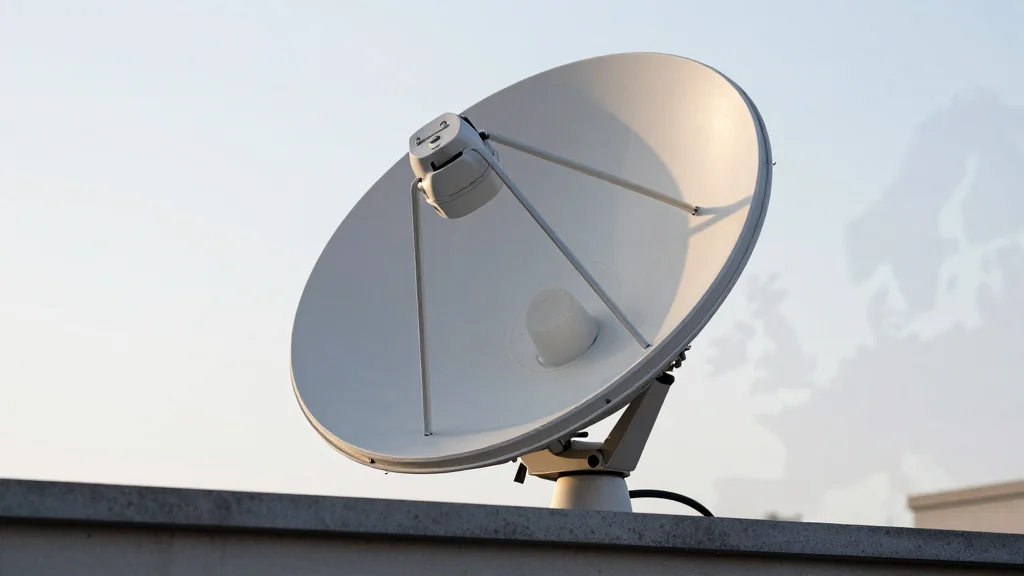
The EU’s Bid to Nationalize Space
Key Takeaways
- •EU proposes reserving 2 GHz MSS band for European operators
- •One‑third of commercial spectrum limited to EU firms, others to non‑EU
- •Proposal could freeze transfers of Viasat and EchoStar licenses until 2027
- •Protectionist policy may deter investment and raise satellite broadband costs
- •Critics urge neutral, merit‑based spectrum rules to preserve global competition
Pulse Analysis
The European Union’s draft regulation on the 2 GHz mobile‑satellite‑service band reflects a growing drive for tech sovereignty, aiming to secure a strategic communications resource for European players. By earmarking two‑thirds of the commercial spectrum for EU operators and limiting the remaining third to non‑EU firms, the Commission seeks to foster a home‑grown satellite champion. Yet the spectrum is a scarce, globally shared asset; its value derives from scale, cross‑border coverage, and the ability to serve diverse markets with a single constellation. Any artificial segmentation threatens the economics that make low‑Earth‑orbit broadband viable, especially in remote regions where cost per user hinges on widespread adoption.
Investors are reading the proposal as a red flag for regulatory stability. Viasat and EchoStar, which have held the 2 GHz rights since 2009, would see their licenses extended but frozen, while SpaceX’s $17 billion purchase of those rights assumes continued access through 2027. A sudden reallocation based on nationality undermines the predictability required for multi‑billion‑dollar satellite builds, likely inflating the cost of capital for both European incumbents and newcomers. The EU’s approach mirrors earlier protectionist moves in telecoms and internet governance, where market‑share allocation by government decree has historically slowed innovation and raised consumer prices.
Analysts argue that resilience—not exclusion—should guide policy. Rather than reserving spectrum for a single domestic champion, regulators could adopt neutral, merit‑based licensing that emphasizes technical capability, interference management, and transparent, reciprocal access. Mutual‑recognition agreements and harmonized standards would preserve the global nature of satellite networks while addressing legitimate security concerns. Such a framework would keep the 2 GHz band open to competition, encouraging investment, accelerating deployment, and ultimately delivering affordable broadband to underserved users worldwide.
The EU’s Bid to Nationalize Space
Comments
Want to join the conversation?