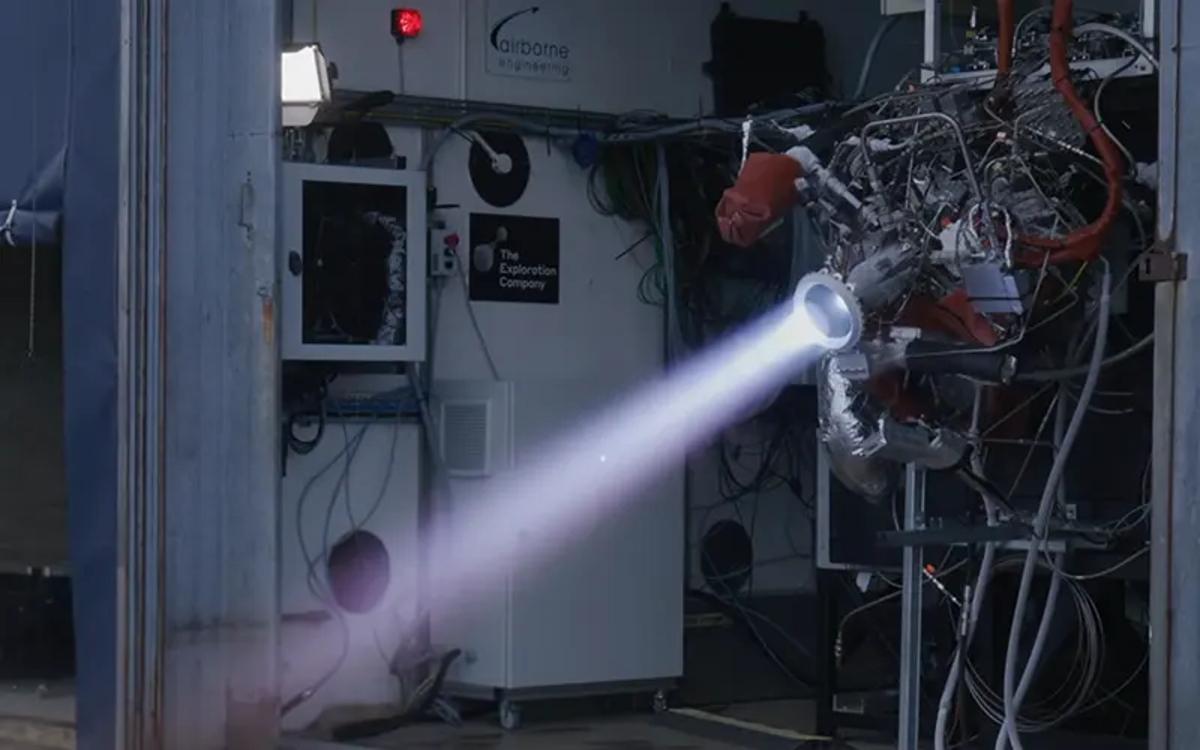
The Exploration Company Fires Up Rocket Engine for Moon Lander
Key Takeaways
- •Huracan engine produced 15 kN thrust using methane/LOX.
- •26 hot‑fire tests delivered 375 seconds total burn time.
- •Throttling range demonstrated from 50 % to 100 % power.
- •Next version will include heat exchanger, inverter, and ECU.
- •European lunar engine race also features Nammo’s LEROS and ArianeGroup’s Greta.
Pulse Analysis
Europe’s lunar ambitions are gaining traction as private firms like The Exploration Company demonstrate viable propulsion solutions. The recent hot‑fire campaign of the Huracan engine marks the first full‑scale firing of a methane‑oxygen system intended for Moon landers, a notable shift from the hypergolic engines that have dominated the sector. By achieving reliable throttling and sustained burns, Huracan showcases the performance envelope needed for precision descent, surface operations, and subsequent ascent, aligning with NASA’s and ESA’s push for reusable lunar architectures.
Technically, the 15 kN thrust rating places Huracan in the sweet spot for medium‑size landers, offering higher specific impulse than storable propellants while maintaining manageable mass and thermal loads. The inclusion of a heat exchanger and advanced inverter in the upcoming flight‑representative model signals a move toward integrated power‑thermal management, essential for the rapid turnaround between landing and take‑off cycles. Throttling capability from half to full power also provides the fine‑control required for soft touchdowns on uneven terrain, a critical factor for commercial payload delivery and in‑situ resource utilization.
From a market perspective, the engine’s progress strengthens Europe’s competitive posture against established players such as Nammo’s LEROS and ArianeGroup’s Greta projects. ESA’s backing through the Step‑2 contract not only de‑risks development but also signals confidence in a methane‑based approach that could lower launch costs and improve sustainability. As The Exploration Company prepares a dedicated test facility in Bordeaux for 2027, potential customers—from national space agencies to private lunar service providers—gain a new, domestically sourced propulsion option, potentially accelerating the timeline for commercial lunar landings in the late 2020s.
The Exploration Company Fires Up Rocket Engine for Moon Lander
Comments
Want to join the conversation?