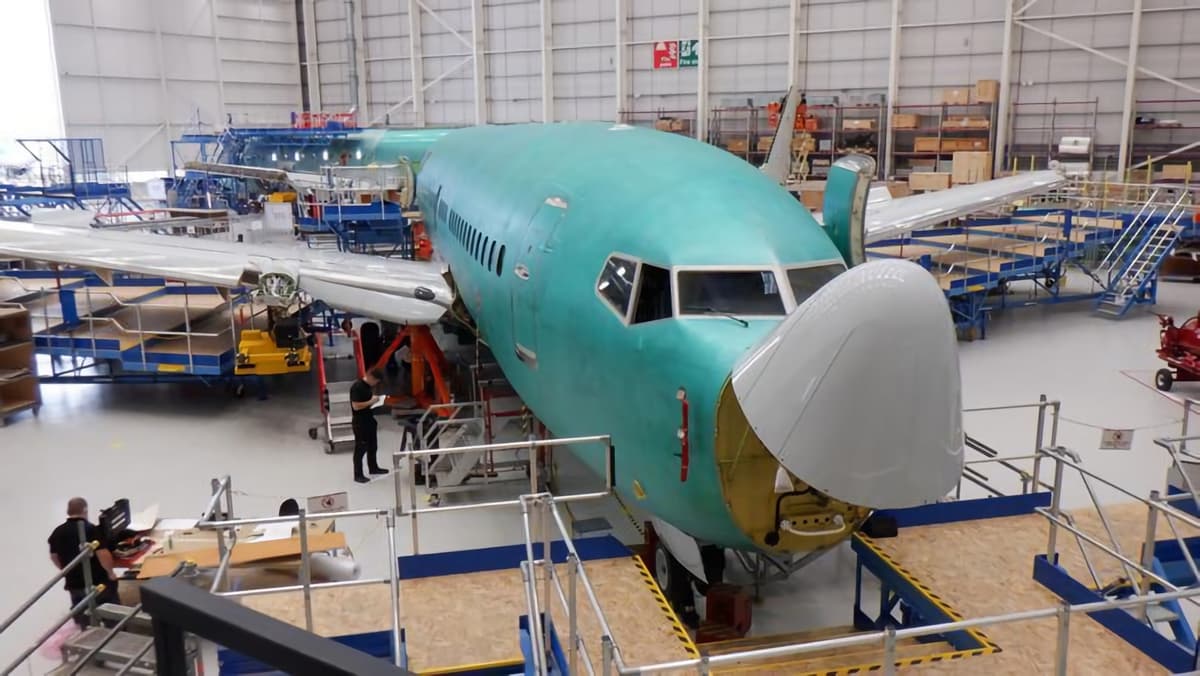
UK Firm to Begin Work on US Air Force Wedgetail Aircraft
Key Takeaways
- •STS Aviation to convert first two USAF E-7 Wedgetails.
- •First UK-built military aircraft for US in over 50 years.
- •Contract valued at undisclosed amount, boosting UK aerospace sector.
- •US E-7 programme faces budget and schedule challenges.
- •Potential for further UK‑US defence collaboration if programme proceeds.
Summary
A UK‑based aviation firm, STS Aviation, has been awarded a contract by Boeing to perform the initial conversion of the first two US Air Force E‑7 Wedgetail aircraft, marking the first UK‑built military aircraft for the United States in more than five decades. The contract was confirmed by Defence Minister Luke Pollard in a parliamentary answer and follows a 2025 MoD press release touting the deal as a major industrial boost. The E‑7 Wedgetail, a Boeing 737‑derived airborne early warning and control platform, is also slated to replace the UK’s retired E‑3D Sentry fleet. However, the US programme’s future remains uncertain amid budgetary and schedule concerns.
Pulse Analysis
The partnership between Boeing and STS Aviation signals a strategic shift in the transatlantic defence supply chain. By handling the early conversion stage of the E‑7 Wedgetail, a sophisticated airborne early warning and control (AEW&C) platform, the Birmingham‑based firm gains exposure to high‑value US military technology. This contract not only diversifies the UK’s aerospace portfolio but also reinforces the country’s credibility as a reliable partner for complex systems integration, a capability that has been underleveraged since the Cold War era.
Despite the commercial upside, the US Air Force’s commitment to a full‑scale E‑7 fleet remains tentative. Recent defence budget proposals have highlighted cost overruns, delayed timelines, and questions over survivability, prompting lawmakers to adopt a cautious stance. While two prototype aircraft have been funded, the lack of a firm procurement schedule introduces risk for downstream suppliers like STS Aviation, whose future work could hinge on the programme’s eventual scale‑up or cancellation.
Looking ahead, the contract could serve as a foothold for broader UK‑US defence collaboration. Success in converting the initial aircraft may open doors to additional work on radar upgrades, software integration, and sustainment services, aligning with the United Kingdom’s broader export‑oriented defence strategy. Moreover, the visibility of a UK firm contributing to a flagship US platform may encourage other American prime contractors to source niche expertise from British companies, potentially reshaping the competitive dynamics of the global aerospace market.
UK firm to begin work on US Air Force Wedgetail aircraft


Comments
Want to join the conversation?