Aerospace Blogs and Articles
  • All Technology
  • AI
  • Autonomy
  • B2B Growth
  • Big Data
  • BioTech
  • ClimateTech
  • Consumer Tech
  • Crypto
  • Cybersecurity
  • DevOps
  • Digital Marketing
  • Ecommerce
  • EdTech
  • Enterprise
  • FinTech
  • GovTech
  • Hardware
  • HealthTech
  • HRTech
  • LegalTech
  • Nanotech
  • PropTech
  • Quantum
  • Robotics
  • SaaS
  • SpaceTech
AllNewsDealsSocialBlogsVideosPodcastsDigests

Aerospace Pulse

EMAIL DIGESTS

Daily

Every morning

Weekly

Sunday recap

NewsDealsSocialBlogsVideosPodcasts
AerospaceBlogsUnited Airlines Dangles Immediate Pay Rises to Push Flight Attendants Toward Controversial Scheduling System
United Airlines Dangles Immediate Pay Rises to Push Flight Attendants Toward Controversial Scheduling System
Aerospace

United Airlines Dangles Immediate Pay Rises to Push Flight Attendants Toward Controversial Scheduling System

•February 8, 2026
0
Paddleyourownkanoo
Paddleyourownkanoo•Feb 8, 2026

Why It Matters

The deal links compensation to a major work‑rule concession, shaping labor costs and scheduling efficiency across the airline industry. Acceptance could set a precedent for how carriers balance wage demands with technology‑driven scheduling reforms.

Key Takeaways

  • •United ties raises to PBS acceptance
  • •PBS promises cost savings via schedule optimization
  • •Union fears reduced transparency and fairness
  • •Implementation could take years after contract
  • •Other carriers already use PBS successfully

Pulse Analysis

United’s latest bargaining tactic hinges on a classic trade‑off: higher wages now in exchange for a modernized scheduling platform. The Preferential Bidding System, already deployed at airlines such as American and Delta, lets crew members input preferred routes, layovers, and shift times. An algorithm then matches these preferences against operational needs, promising a more personalized roster while reducing the manual labor that United’s legacy line‑bidding process demands. By framing PBS as a cost‑saving lever, United hopes to unlock budget room for the pay raises its flight attendants have long sought.

From a financial perspective, United projects that PBS will trim downstream expenses, lower rework, and align staffing more tightly with actual flight demand. The airline cites reduced administrative overhead and fewer manual interventions as key efficiency gains. Industry analysts note that similar systems have delivered modest productivity improvements at other carriers, though the magnitude varies with seniority rules and union negotiations. If United can quantify these savings, it could justify the wage bump without eroding profit margins, a critical point given the airline’s strong recent earnings.

However, the AFA remains skeptical. Critics argue that algorithmic scheduling can obscure how seniority and work rules are applied, potentially disadvantaging certain crews. The union’s resistance reflects broader labor concerns about transparency and control in increasingly automated workplaces. As talks continue, the outcome will signal whether major U.S. airlines can successfully bundle technology upgrades with compensation concessions, a model that could reshape labor‑management dynamics industry‑wide.

United Airlines Dangles Immediate Pay Rises to Push Flight Attendants Toward Controversial Scheduling System

United Airlines is directly appealing to its massive workforce of more than 30,000 flight attendants to accept a controversial new scheduling system, which is at the center of a years-long bargaining deadlock between the Chicago-based carrier and the Association of Flight Attendants (AFA-CWA).

As protracted and often contentious contract negotiations drag on, the two sides remain at loggerheads. The union is fighting for bigger pay raises for its members, while United says it can only afford to pay higher salaries if flight attendants accept concessions elsewhere.

United Airlines believes that a scheduling system known as a ‘Preferential Bidding System’ or PBS, is the key to unlocking the additional money required for higher flight attendants’ salaries.

United’s ‘Buy Now, Pay Later’ offer to get flight attendants to accept major scheduling concessions

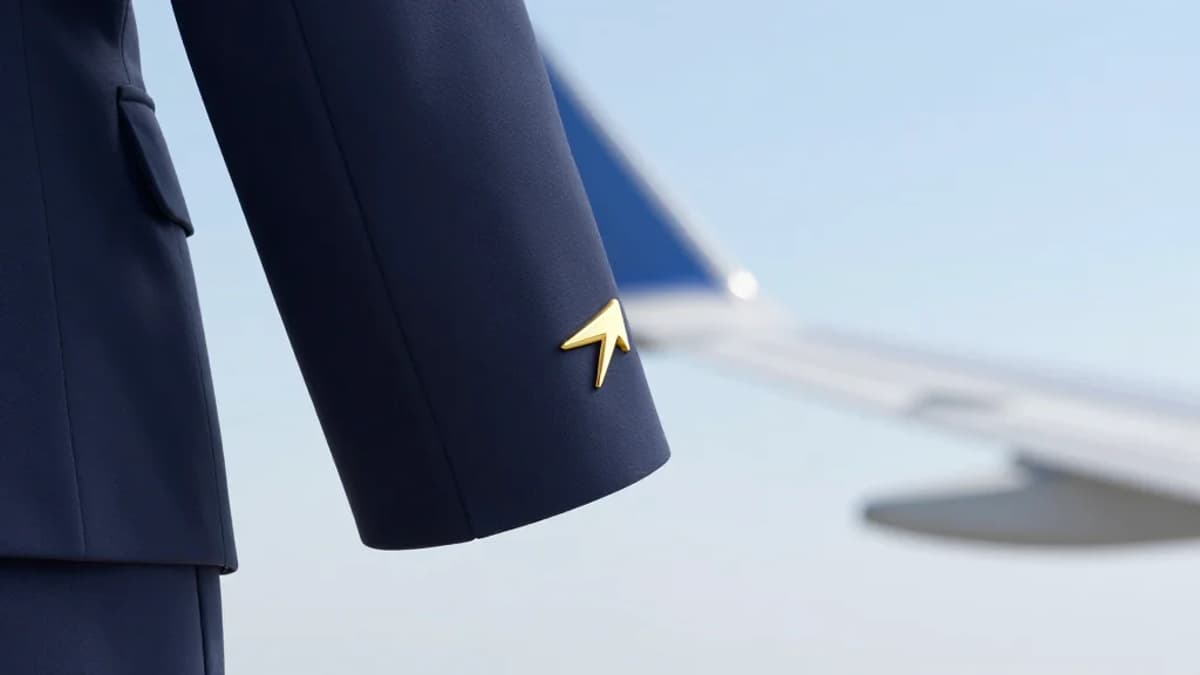
the wing of a plane

United Airlines sees the introduction of PBS as a key concession that will release money to give flight attendants other contract enhancements.

In a new direct appeal to flight attendants, United’s vice president of inflight services, Michielle Sego-Johnson, and the airline’s vice president of inflight operations, Dean Whittaker, have written to crew with an offer, of sorts, of how PBS would work in practice.

The memo and other internal documents, reviewed by PYOK, attempt to reassure flight attendants about how PBS would work in practice and, importantly, state that the new scheduling system would potentially take years to implement.

In other words, if flight attendants accept PBS in their new contract, they’ll enjoy an immediate pay rise but won’t have to worry about the effect the new scheduling system could have on their work-life for years to come.

What is a preferential bidding system?

A Preferential Bidding System is nothing new for tens of thousands of flight attendants around the world, and it’s already used at several major airlines in the United States, including the likes of American Airlines and Delta Air Lines.

It is also nothing new to the Association of Flight Attendants, which helped to implement PBS systems at several other carriers that are unionized, including Alaska Airlines, Frontier, and Hawaiian Airlines.

At present, United’s flight attendants use a much older ‘line bidding system’ in which they bid for pre-constructed work trips known as ‘lines’. United says this system is resouce intensive and requires a huge amount of manual intervention to manage each month.

PBS, meanwhile, is a dynamic system that builds schedules based on a flight attendant’s preferences. For example, crew members tell the PBS what destinations, layovers, days off, and the aircraft they want to work on.

They can also set other preferences, like avoiding early morning flights or red-eyes. The idea is that crew members tell the system exactly what their preferences are so that schedules match their lifestyle.

Once these bids are set, the system analyzes all of the requests against the airline’s operational requirements, as well as work rules and seniority, and algorithms create a dynamic schedule.

How would a preferential bidding system work in practice?

The important thing to remember about PBS is that it is preferential. Just because a flight attendant wants to avoid early morning reports or red-eye flights doesn’t mean that the PBS will honor those preferences.

The PBS is thinking about the airline’s operational requirements and making sure that every flight is covered. On occasions, that means it can’t honor every request that a flight attendant inputs into the system.

To ensure some fairness, flight attendants can list their preferences in priority order, allowing the PBS to say: Okay, I was able to give you some of your preferences, but you’ll have to work on the early morning report you didn’t want to do.

How would United save money with a preferential bidding system?

In its latest memo to flight attendants, United has been very clear that PBS will help save the airline money.

Although the PBS can only build schedules that are in line with a flight attendant’s contractual work rules, the system is looking to optimize a crew member’s schedule as much as possible, ensuring that every flight is covered with as few overall crew members as possible.

United also says PBS can also “create financial efficiencies from:

  • Lower downstream costs tied to inefficiencies and rework

  • Reduced administrative complexity

  • Fewer manual interventions in scheduling

  • Better alignment between staffing and actual flying needs.”

Why have flight attendants been so opposed to preferential bidding?

AFA’s representatives have long been opposed to PBS because they believe it is an opaque system that makes it hard for flight attendants to know whether trips are being assigned fairly and that work rules are being honored.

This opposition to PBS is matched by many of the union’s members, who fought for United to abandon the idea in contract negotiations. But when flight attendants overwhelmingly rejected a tentative agreement last summer, United brought PBS back to the table.

The AFA argues that United’s financial performance is so good that it doesn’t need to find cost savings elsewhere in the flight attendant contract to afford the pay rises that its members are demanding.

United’s direct appeal compromise, however, is that PBS would be a multi-year project that would only be introduced with collaboration with AFA.

Contact negotiations are set to resume over the coming months, and PBS will be mentioned a lot during these bargaining sessions. The AFA had point-blank refused to accept any concessions… time will tell whether that holds true.

The post United Airlines Dangles Immediate Pay Rises to Push Flight Attendants Toward Controversial Scheduling System appeared first on PYOK.

Read Original Article
0

Comments

Want to join the conversation?

Loading comments...