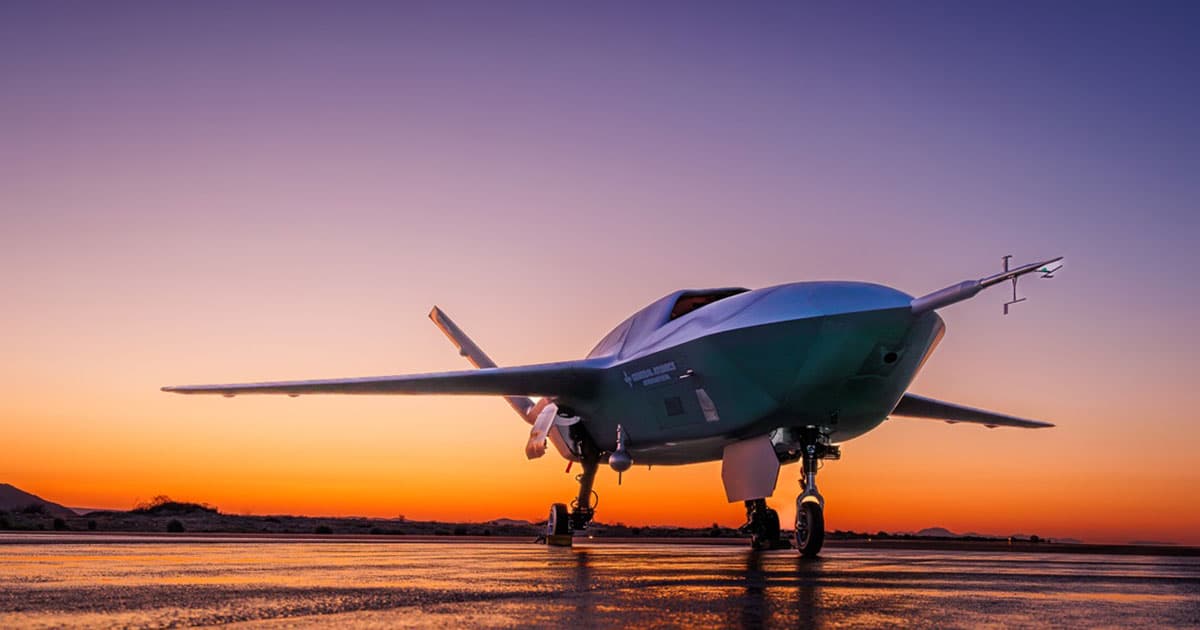
US Air Force Orders Uncrewed Fighter Into Production
Key Takeaways
- •General Atomics secured US Air Force production contract for FQ-42A
- •FQ-42A will act as “loyal wingman” alongside manned fighters
- •Development from contract to first flight took just 15 months
- •Modular design enables rapid mission‑specific variants under Gambit Series
Pulse Analysis
The U.S. Air Force’s decision to move the FQ-42A into production reflects a strategic pivot toward autonomous combat platforms that can augment traditional fighter squadrons. Known as a "loyal wingman," the uncrewed fighter is intended to fly in concert with manned aircraft, extending sensor reach, carrying additional weapons, and undertaking high‑risk missions without endangering pilots. This approach aligns with broader defense trends that prioritize force multiplication through artificial intelligence and machine‑learning‑driven decision cycles, offering a cost‑effective way to increase sortie rates and operational flexibility.
Technically, the FQ-42A stands out for its modular airframe and plug‑and‑play software architecture, which allow rapid reconfiguration for roles ranging from long‑endurance surveillance to air‑to‑air superiority. The 15‑month sprint from contract award to first flight underscores General Atomics’ ability to leverage existing unmanned‑aircraft expertise, dating back to the MQ‑20 Avenger, while integrating cutting‑edge autonomy software developed with the Air Force Research Laboratory. Competition from firms like Anduril, which also secured development contracts, highlights a burgeoning market for next‑generation unmanned combat systems and suggests a future where multiple vendors supply interchangeable wingman platforms.
Strategically, the FQ-42A’s production marks a milestone in human‑machine teaming, setting a precedent for how legacy forces will incorporate AI‑driven assets into daily operations. As the platform matures, it could influence procurement decisions across allied air forces seeking similar capabilities, potentially spawning export opportunities and joint‑development programs. Moreover, the successful rapid‑fielding model may reshape acquisition timelines for future combat aircraft, encouraging faster iteration cycles and tighter industry‑military collaboration to keep pace with evolving threat environments.
US Air Force orders uncrewed fighter into production
Comments
Want to join the conversation?