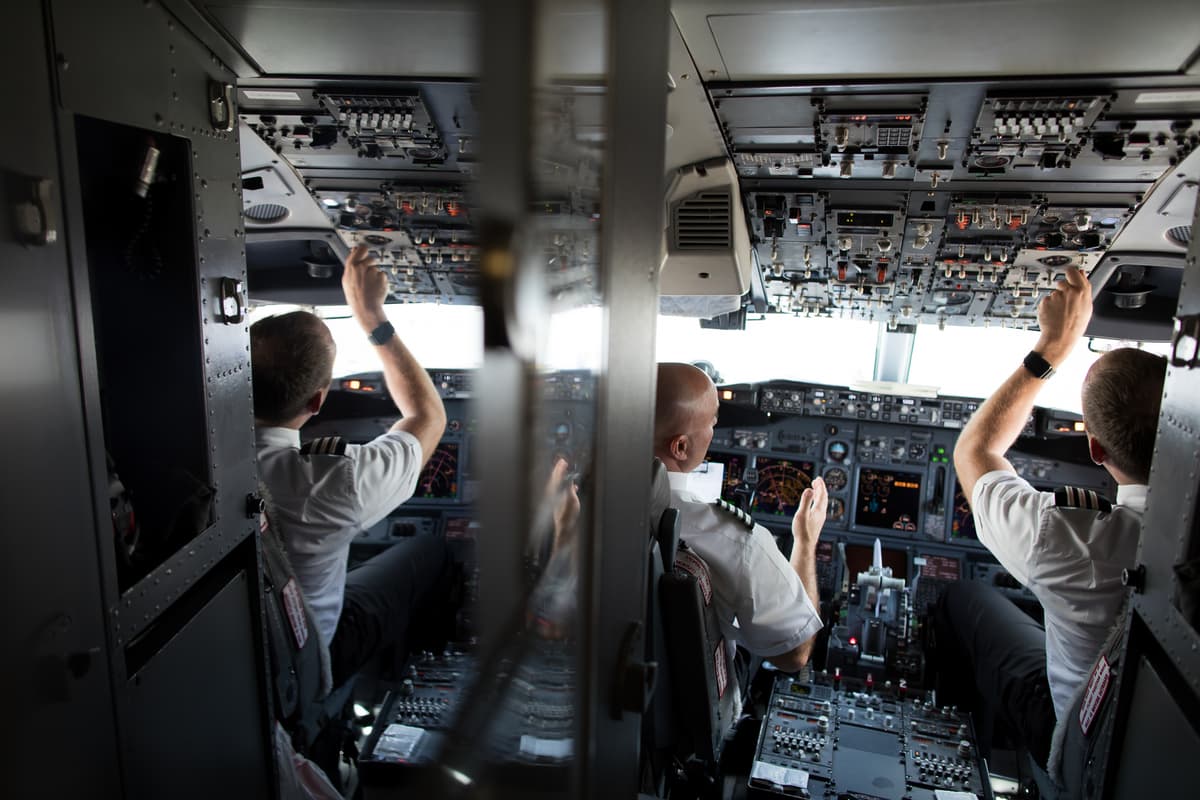
U.S. Aviation Accident Investigators Urge Airlines to Improve Training for Pilots in Smoke-Filled Cockpits
Key Takeaways
- •NTSB recommends realistic smoke‑in‑cockpit simulator training.
- •Current annual refresher may not prepare pilots for smoke emergencies.
- •Southwest Flight 554 highlighted visibility loss and decision‑making stress.
- •FAA has yet to mandate updated training requirements.
- •Frequent smoke reports suggest risk higher than public perception.
Pulse Analysis
Smoke in the cockpit is far from a rare anomaly. The Federal Aviation Administration logs near‑daily emergency declarations for reduced visibility caused by smoke, yet most carriers rely on classroom briefings rather than immersive simulation. In a recent safety recommendation, the National Transportation Safety Board urged airlines to embed realistic smoke‑in‑cockpit scenarios into their annual recurrent training. The board argues that the current refresher curriculum falls short of reproducing the high‑stress, low‑visibility conditions pilots face when fumes infiltrate the flight deck.
The catalyst for the NTSB’s call was Southwest Airlines Flight 554, which departed New Orleans on Dec. 20, 2023. A bird strike damaged the left engine, triggering the load‑reduction device that inadvertently severed oil tubes. The resulting oil leak ignited, producing dense white smoke that quickly filled the cockpit. Captain and first officer were forced to don airtight oxygen masks while struggling to read instrument displays, describing the experience as “adrenaline‑fueled” and far beyond any prior training scenario. The episode underscores how quickly a routine takeoff can devolve into a visibility crisis.
Ultimately, the recommendation remains non‑binding; the FAA must decide whether to amend its recurrent training rules. Past attempts to compel safety changes—such as the NTSB’s push to ban lap infants—have met with resistance, suggesting a similar outcome could await smoke‑training mandates. Nonetheless, airlines can voluntarily circulate the Southwest findings and integrate smoke drills into simulators, a step that could reduce accident risk and bolster passenger confidence. As the industry grapples with an under‑reported hazard, proactive training may become a competitive differentiator for carriers seeking a safety edge.
U.S. Aviation Accident Investigators Urge Airlines to Improve Training for Pilots in Smoke-Filled Cockpits
Comments
Want to join the conversation?