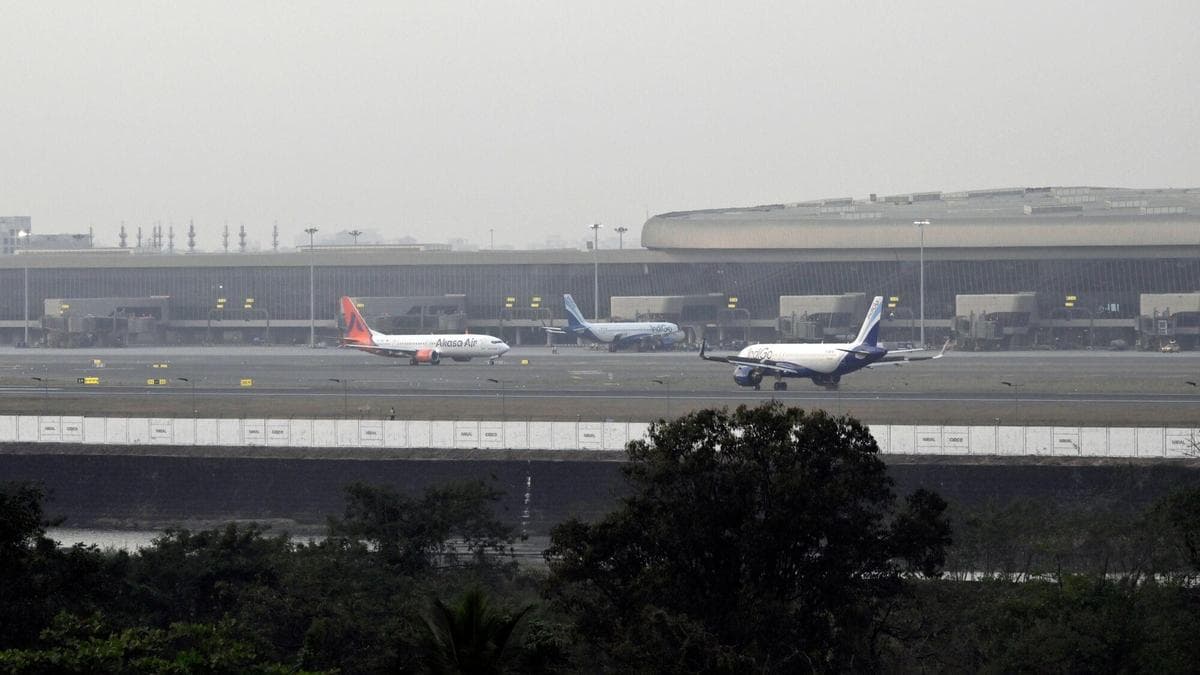
Adani Group Commits $9.6B to Navi Mumbai Airport Expansion
Participants
Why It Matters
The delay hampers Navi Mumbai’s emergence as an international gateway, but robust domestic growth and a massive expansion investment position it to become a key hub in India’s aviation network.
Key Takeaways
- •Domestic flights now 156 daily, handling 20,000 passengers.
- •International service start postponed beyond March 29 due to conflict.
- •Second terminal will raise capacity to 50 million passengers annually.
- •Adani to invest ~₹80,000 crore ($9.6 bn) in expansion.
- •Airport seeks jet‑fuel VAT cut from 18% to 1%.
Pulse Analysis
The postponement of international services at Navi Mumbai airport underscores how geopolitical tensions can ripple through aviation planning. While the Iran‑US conflict has driven jet‑fuel prices higher, airlines such as IndiGo are forced to recalibrate launch timelines, leaving passengers to rely on domestic routes for now. This delay, however, arrives at a moment when the airport’s domestic traffic is surging, with 156 daily flights and a passenger load climbing toward 50,000 per day by year‑end, signaling strong regional demand.
Meanwhile, the airport’s expansion agenda is progressing unabated. The second terminal, slated to begin construction after the monsoon, will more than double the current handling capacity from 20 million to 50 million passengers annually. The broader master plan envisions five development phases culminating in a 90 million‑passenger hub. Funding for this ambitious rollout is anchored by the Adani Group’s commitment of roughly ₹80,000 crore (about $9.6 billion), a capital infusion that will also support ancillary land‑side projects and modernised infrastructure.
Fiscal policy is another lever shaping the airport’s trajectory. Officials have petitioned the Maharashtra government to slash the value‑added tax on aviation turbine fuel from 18% to 1%, a move that could lower operating costs and attract more carriers. If approved, the tax relief would enhance the airport’s competitiveness against established metros like Mumbai and Delhi, accelerating its evolution into a premier international gateway once geopolitical conditions permit. The confluence of robust domestic growth, sizable private investment, and potential regulatory support positions Navi Mumbai to play a pivotal role in India’s future air travel landscape.
Deal Summary
The Adani Group announced it will invest approximately $9.6 billion in the expansion of Navi Mumbai airport, covering the second terminal and land-side development. The investment comes as international flight plans are delayed due to the West Asia conflict, but the expansion remains on track. Construction of the second terminal is slated to begin after the monsoon season.
Comments
Want to join the conversation?
Loading comments...