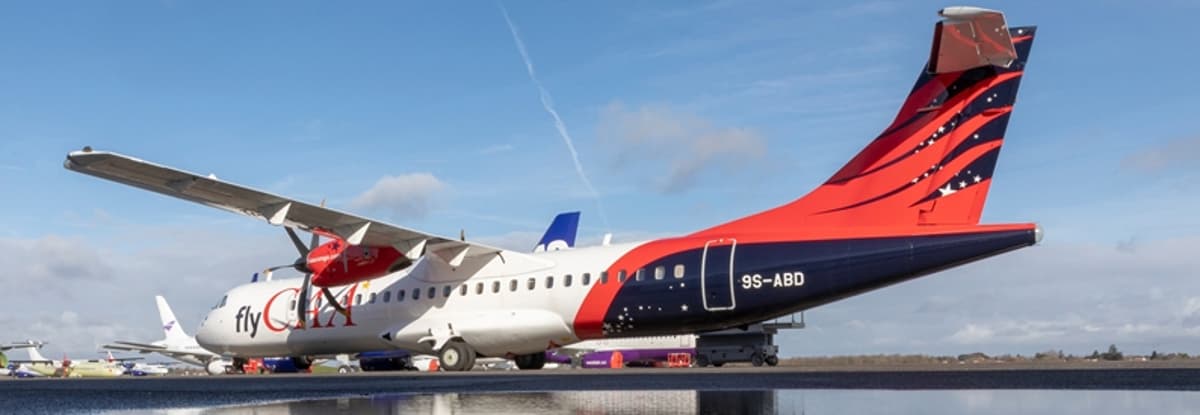
Executive Jet Support Acquires flyCAA's Last ATR72-500 Aircraft
Participants
Why It Matters
The move signals flyCAA’s strategic shift toward larger jet aircraft, mirroring a regional trend of African airlines prioritizing capacity and efficiency over turboprop operations. It also strengthens the ATR aftermarket, ensuring a steady supply of components for operators worldwide.
Key Takeaways
- •flyCAA sold its final ATR72-500, ending turboprop service
- •Aircraft will be torn down in Poland for ATR component supply
- •Fleet now only includes Airbus A320, A330, and A321 freighter jets
- •Executive Jet Support expands ATR parts inventory via this acquisition
- •Shift underscores African airlines favoring jets over regional turboprops
Pulse Analysis
flyCAA’s decision to retire its last ATR72‑500 marks a pivotal shift for the Congolese carrier. Turboprops have traditionally served remote domestic routes where runway length and infrastructure limit jet operations. However, the aging fleet—averaging over two decades—has become costly to maintain, and spare‑part scarcity drives up operational expenses. By divesting the remaining turboprop, flyCAA can streamline maintenance, focus on higher‑yield jet routes, and align its network with the growing demand for faster, longer‑range services across Central Africa.
The acquisition by Executive Jet Support (EJS) underscores the growing importance of the aftermarket for regional aircraft. EJS plans to ferry the ATR72‑500 to its Polish facility for dismantling, extracting airframe and engine components that are in short supply for operators extending the service life of similar fleets. This move not only bolsters EJS’s parts inventory but also supports a broader ecosystem of MRO providers who rely on a steady flow of certified spares. As airlines worldwide grapple with supply‑chain disruptions, such strategic part‑recovery initiatives become critical for maintaining fleet reliability without incurring the cost of new aircraft.
Across the African continent, carriers are increasingly favoring narrow‑body jets like the Airbus A320 family over turboprops. Jets offer greater passenger capacity, fuel efficiency on longer sectors, and a more uniform fleet that simplifies training and leasing arrangements. For flyCAA, the transition to an all‑jet fleet—dry‑leased from global lessors—provides flexibility to adjust capacity in response to market fluctuations. While the loss of turboprop capability may affect service to the smallest airports, the overall trend points to a more integrated, jet‑centric African aviation landscape, driving higher connectivity and potentially attracting new investment in airport infrastructure.
Deal Summary
DR Congo airline flyCAA sold its final ATR72-500 turboprop to UK-based Executive Jet Support, which will ferry the aircraft to Poland for teardown and parts harvesting. The deal, facilitated by Skyworld Aviation, marks flyCAA's exit from turboprop operations. No financial terms were disclosed.
Comments
Want to join the conversation?
Loading comments...