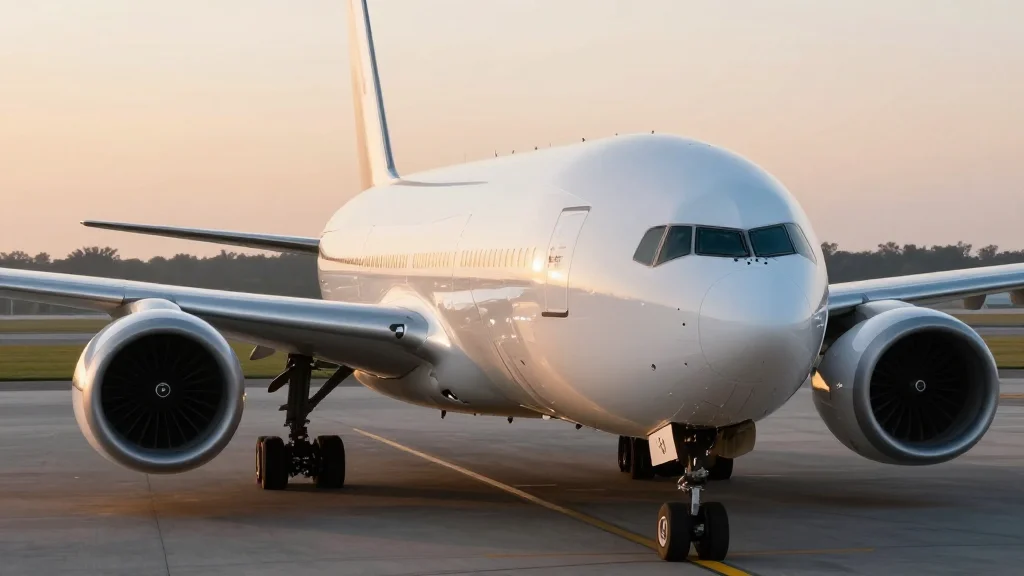
30 Years After Launch, The Boeing 777 Is Still The Best-Selling Long-Haul Widebody In Aviation History
Why It Matters
Its cost‑effective range continues to drive airline profitability and shapes fleet strategies, while the 777X will determine Boeing’s competitive position in the next generation of wide‑bodies.
Key Takeaways
- •2,400+ total 777 orders by 2026, highest long‑haul sales
- •Emirates leads 777‑300ER fleet with 124 aircraft
- •777F cargo sales offset passenger market volatility
- •777X development faces engine and supply‑chain delays
- •Twin‑engine design accelerated retirement of four‑engine jets
Pulse Analysis
When Boeing introduced the 777, the industry was pivoting from four‑engine giants to more efficient twins under ETOPS rules. The aircraft combined long‑range capability with lower fuel burn, allowing airlines to open point‑to‑point routes that were previously uneconomical. This efficiency translated into strong order books; by 2026 the program topped 2,400 orders, cementing its role as the benchmark for long‑haul profitability and prompting competitors to prioritize twin‑engine designs.
Beyond passenger service, the 777F cargo variant became a strategic asset during market turbulence. Its high payload, extended range, and operating cost advantages attracted logistics firms and helped Boeing maintain production lines when passenger demand slumped during the COVID‑19 pandemic. The freighter’s resilience highlighted the importance of versatile platforms that can serve both passenger and cargo markets, reinforcing Boeing’s foothold in global supply chains and offering airlines a hedge against demand cycles.
The next chapter arrives with the 777X, which promises composite wings, new GE9X engines, and up to 10% better fuel efficiency. However, the program has encountered engine‑reliability issues, structural redesigns, and supply‑chain bottlenecks that have delayed entry‑into‑service and inflated costs. As airlines weigh the 777X against Airbus’s A350 and emerging narrow‑body twins, Boeing’s ability to resolve these challenges will shape its market share and influence the broader shift toward greener, more economical long‑haul fleets.
30 Years After Launch, The Boeing 777 Is Still The Best-Selling Long-Haul Widebody In Aviation History
Comments
Want to join the conversation?
Loading comments...