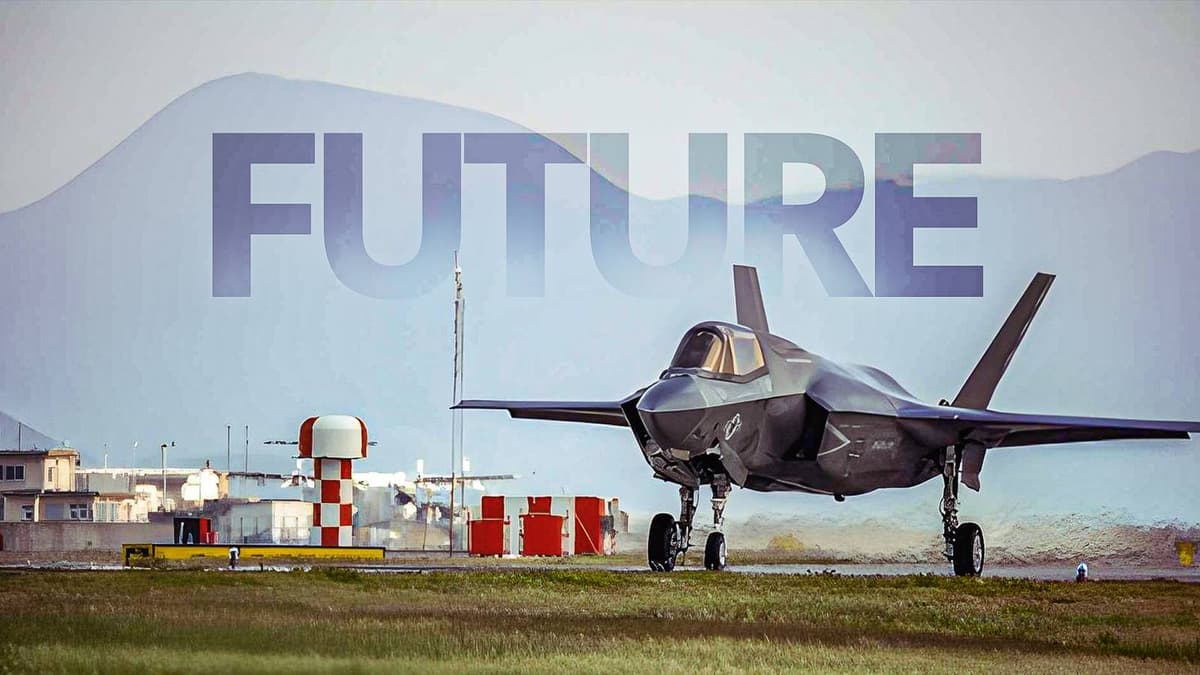
5 US Aircraft That Represent The Future Of Air Combat
Companies Mentioned
Why It Matters
These acquisitions lock in a diversified, high‑tech fleet that preserves U.S. air superiority while countering peer competitors and reshaping the defense industrial base.
Key Takeaways
- •US orders 267 F‑15EX fighters, extending the platform into the 2040s
- •Air Force targets 1,763 F‑35A jets, with 754 already funded
- •At least 185 sixth‑generation F‑47s slated to replace the F‑22
- •B‑21 Raider production aims for 100‑200 units, phasing out B‑1 and B‑2
- •Collaborative Combat Aircraft program plans 1,000 autonomous jets for allies
Pulse Analysis
The push for a blended fleet reflects a strategic pivot away from a single‑generation focus. While stealth fifth‑generation fighters like the F‑35 dominate future air battles, the Air Force is also betting on the proven economics and payload capacity of upgraded fourth‑generation platforms such as the F‑15EX. By doubling the F‑15EX order, the service secures a cost‑effective, high‑density strike option that can be fielded quickly, filling gaps left by the limited F‑22 procurement and the aging legacy fleet.
Funding for the F‑35A remains the centerpiece of the Air Force’s long‑term plan, with a program of record for 1,763 jets and more than half already funded. This massive buy ensures a steady pipeline of advanced sensor fusion, network‑centric warfare capabilities, and interoperability with NATO allies. Simultaneously, the upcoming F‑47—projected as a sixth‑generation air‑superiority fighter—aims to deliver an “unfair advantage” through hypersonic speed, AI‑driven decision loops, and adaptive stealth, positioning the United States to counter China’s next‑gen platforms.
Beyond manned aircraft, the Collaborative Combat Aircraft initiative signals a decisive shift toward autonomous combat. With an anticipated 1,000 unmanned jets entering service, the program leverages rapid‑prototype development and AI‑enabled mission execution, reducing pilot risk and operational costs. The CCA’s open‑architecture approach also invites international partners, expanding the U.S. influence in allied air forces. Collectively, these procurement choices underscore a multi‑tiered strategy that balances immediate readiness, long‑term technological dominance, and a revitalized defense industrial ecosystem.
5 US Aircraft That Represent The Future Of Air Combat
Comments
Want to join the conversation?
Loading comments...