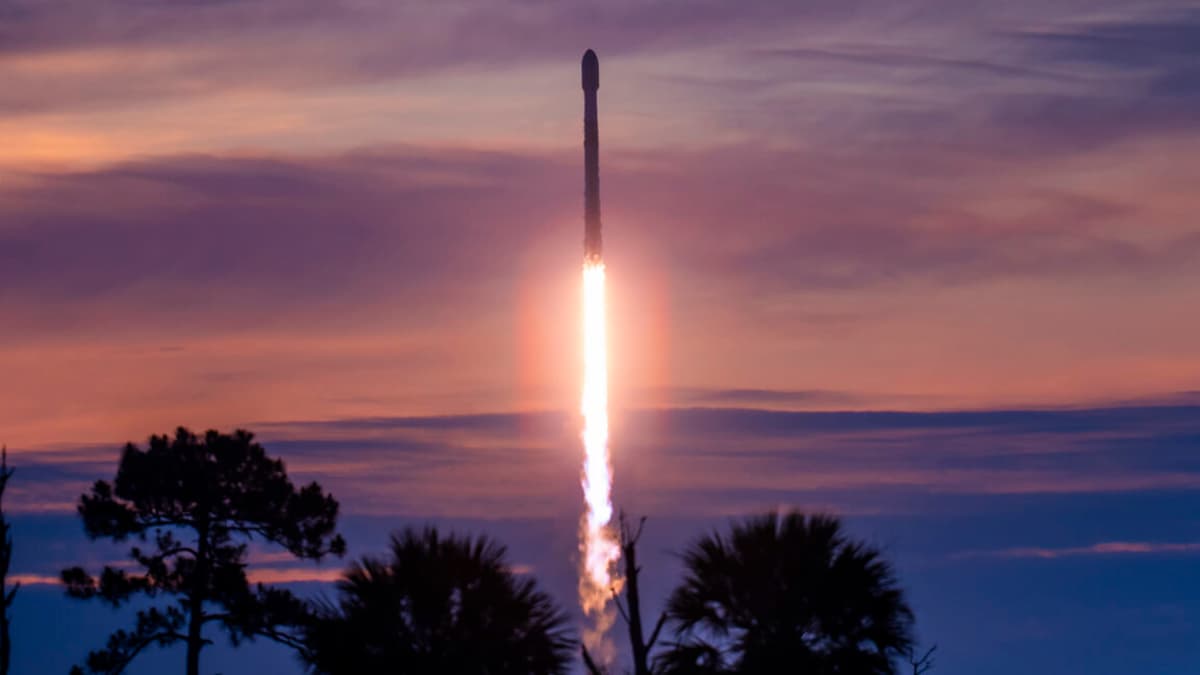
A Falcon 9 Booster Turns 5 Years Old—And Just Set a Remarkable Reuse Record
Companies Mentioned
Why It Matters
Repeated use of a single Falcon 9 booster slashes launch costs, fuels Starlink revenue growth, and validates SpaceX’s business model ahead of a high‑profile IPO, reshaping the commercial launch market.
Key Takeaways
- •Booster B1067 completed 35 flights, a SpaceX reuse record.
- •Goal: certify Falcon 9 stages for 40+ missions.
- •Falcon 9’s cadence outpaces ULA’s 29 launches in five years.
- •Reuse underpins Starlink deployment and SpaceX profitability.
- •IPO valuation targets $1.75 trillion, built on Falcon 9 success.
Pulse Analysis
The 35th flight of booster B 1067 represents more than a numerical milestone; it signals the maturation of rapid, high‑frequency reuse in orbital launch. When the Falcon 9 first‑stage first touched down on a drone ship in 2015, the industry viewed recovery as a novelty. Today, a single booster routinely flies multiple times per month, delivering payloads with turnaround times measured in weeks rather than years. This operational cadence rivals the historic shuttle program’s 39 missions, but at a fraction of the cost, illustrating how SpaceX has shifted reuse from experimental to routine.
From a business perspective, the economics of reusing the same hardware are transformative. Each additional flight extracts more value from the initial manufacturing investment, driving down the marginal cost per kilogram to orbit. That cost advantage has enabled SpaceX to flood the market with Starlink satellites, turning a capital‑intensive venture into a cash‑generating service. The company’s upcoming IPO, targeting a $1.75 trillion valuation, leans heavily on this narrative: investors are buying confidence that the Falcon 9 platform will continue to fund the more ambitious Starship and orbital data‑center projects. Meanwhile, competitors such as United Launch Alliance, with just 29 launches in the same window, struggle to match SpaceX’s price points and launch frequency.
Looking ahead, SpaceX’s ambition to certify boosters for 40 or more missions will further cement its cost leadership. Extending the service life of a single first‑stage could push per‑launch costs below $30 million, a threshold that would make large‑scale constellations and deep‑space missions financially viable for a broader set of customers. As the industry watches, the Falcon 9’s reuse record not only validates SpaceX’s current dominance but also sets the stage for the next generation of launch vehicles and space‑based infrastructure.
A Falcon 9 booster turns 5 years old—and just set a remarkable reuse record
Comments
Want to join the conversation?
Loading comments...