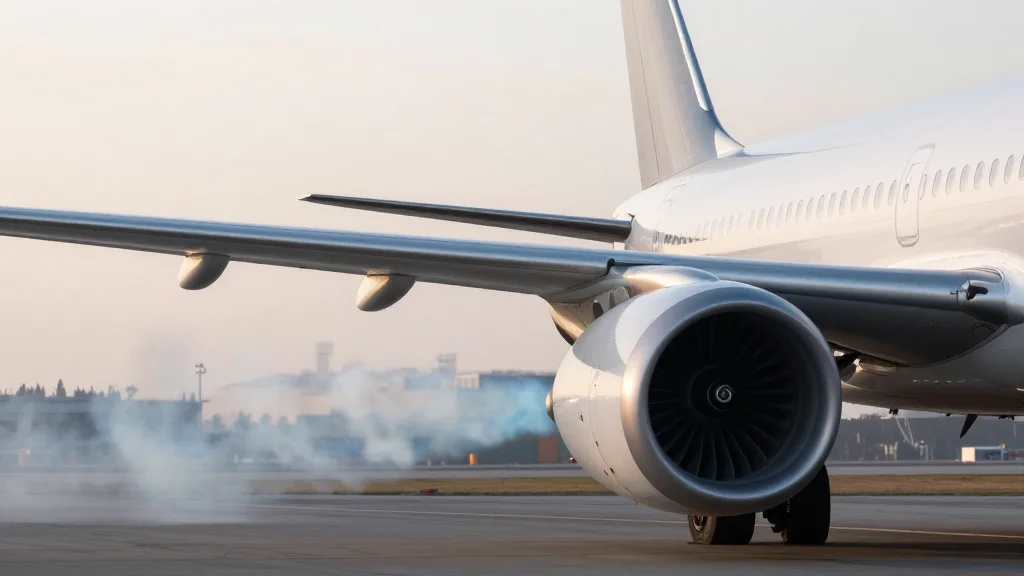
AACES 2050 Research Prompts NASA to Pursue LNG for Aviation

Why It Matters
LNG offers a near‑term, lower‑cost route to drastic emissions reductions and operating‑cost savings, reshaping sustainable aviation and fueling infrastructure strategies.
Key Takeaways
- •NASA’s AACES study points to 70% emission cut with LNG.
- •$11.5M funded research across five partners on methane‑based propulsion.
- •LNG could halve operating costs and ease transition to hydrogen.
- •Dual‑fuel aircraft mixes methane for short hops, jet fuel long‑haul.
- •Industry sees LNG as cheaper, scalable alternative to SAF.
Pulse Analysis
The aviation sector faces mounting pressure to curb carbon output while keeping ticket prices affordable. Sustainable aviation fuel (SAF) has been championed, yet its high production cost and limited feedstock threaten scalability. In this context, liquefied natural gas—essentially liquid methane—emerges as a pragmatic bridge technology, leveraging existing natural‑gas supply chains and offering a clear emissions advantage. By converting LNG into a cryogenic jet fuel, airlines could achieve up to a 70% reduction in CO₂, according to NASA’s AACES 2050 findings, while also slashing fuel‑burn costs by roughly 50%. This dual benefit aligns with airlines’ financial imperatives and regulators’ climate mandates.
NASA’s AACES initiative allocated $11.5 million to a consortium of innovators, including Aurora Flight Sciences, Electra, Georgia Tech, JetZero and Pratt & Whitney, to explore methane‑centric propulsion and airframe designs. The studies highlighted the feasibility of dual‑fuel aircraft that switch between LNG for short‑haul routes and conventional jet fuel for long‑haul flights, a concept dubbed "Jet M." Such flexibility mitigates range anxiety while allowing gradual infrastructure rollout. Moreover, handling LNG at airports would build cryogenic expertise that can later support hydrogen adoption, positioning the United States to lead a phased transition from fossil‑based jet fuel to zero‑carbon alternatives.
Industry reaction is cautiously optimistic. Boeing’s engineering team, citing the AACES reports, is already evaluating renewable natural gas as a cost‑effective substitute for SAF, noting that existing gas‑turbine technology can be adapted with modest redesigns. However, widespread LNG adoption hinges on substantial capital investment in cryogenic storage, fueling stations, and safety protocols, as well as coordinated policy support from the FAA, DOE and the Department of Defense. If these hurdles are addressed, LNG could become the cornerstone of a more sustainable, economically viable aviation ecosystem, accelerating the sector’s path toward net‑zero emissions.
AACES 2050 research prompts NASA to pursue LNG for aviation
Comments
Want to join the conversation?
Loading comments...