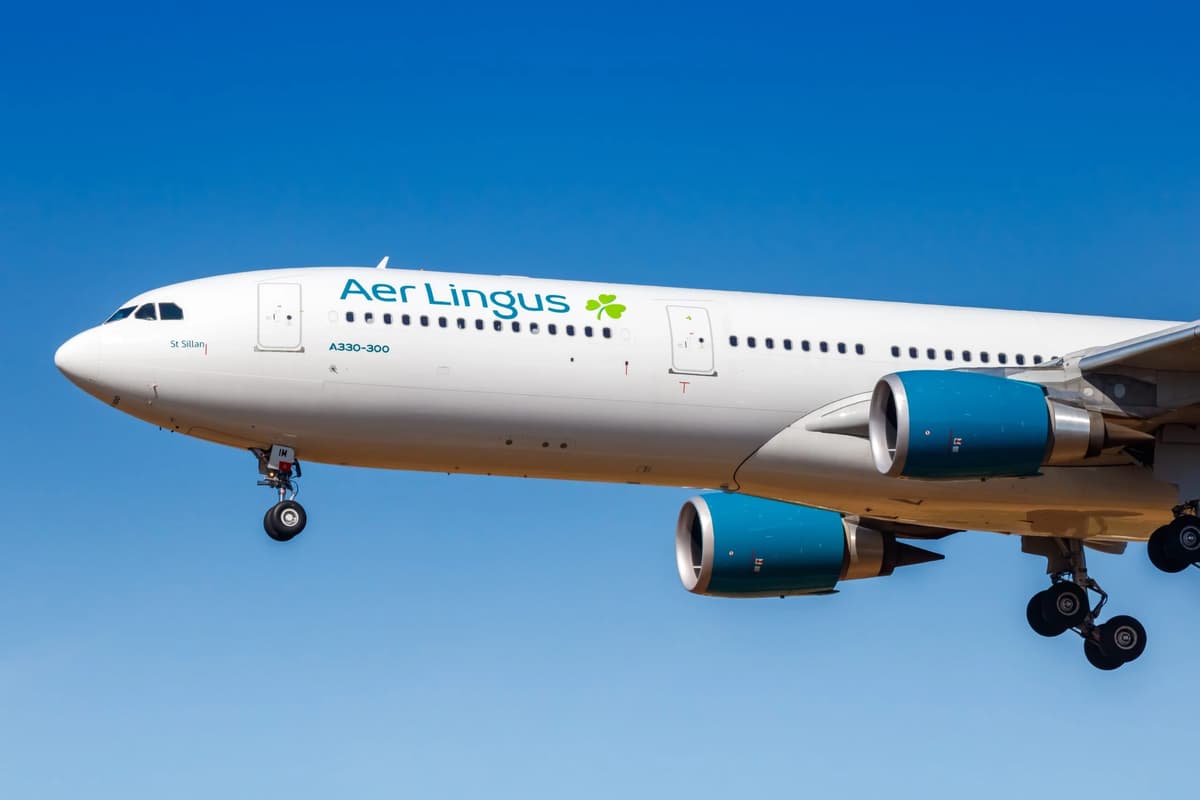
Aer Lingus Confirms Its Closing Manchester Long-Haul Base After Cabin Crew Asked For More Money
•January 29, 2026
0
Why It Matters
The closure highlights how labor disputes and underperforming routes can force airlines to reshape networks, impacting jobs and passenger connectivity in the UK‑Ireland market.
Key Takeaways
- •Aer Lingus closes Manchester long‑haul base March 31, 2026.
- •200 cabin crew jobs eliminated due to base shutdown.
- •Base underperformance cited versus Dublin operations.
- •Strike over 9% pay rise preceded closure announcement.
- •Passengers must rebook via Dublin; no direct alternatives.
Pulse Analysis
Aer Lingus launched its Manchester long‑haul operation in 2021 to capture residual capacity from the Thomas Cook collapse, positioning the UK airport as a gateway for leisure transatlantic traffic. While the initial strategy promised higher aircraft utilization, the route mix—primarily New York, Orlando and seasonal Barbados—struggled to achieve the yields of the carrier’s Dublin‑based network. Analysts point to higher airport fees, limited connecting traffic, and a fragmented UK market as factors that eroded the base’s profitability, prompting the airline to reassess asset allocation.
The timing of the shutdown coincides with a hard‑line cabin‑crew strike demanding a 9% wage increase and better conditions. Union negotiations stalled, and Aer Lingus’s threat to close the base was perceived as a bargaining chip, a tactic not uncommon in legacy carriers facing cost pressures. The eventual decision to cease operations, while framed as a commercial necessity, underscores the delicate balance between labor costs and route economics. Passengers booked beyond the March deadline face indirect rebooking via Dublin, a move that may dilute brand loyalty and increase operational complexity for the airline’s short‑haul fleet.
Looking ahead, the withdrawal from Manchester signals a broader industry trend where airlines prune peripheral long‑haul hubs to concentrate on core, high‑margin corridors. The two wide‑body aircraft formerly based in Manchester are likely to be redeployed to strengthen Dublin’s schedule or leased to other carriers, preserving fleet efficiency. For the UK leisure market, the loss of a direct Aer Lingus option may open space for competitors such as Virgin Atlantic or low‑cost long‑haul entrants, reshaping competitive dynamics and passenger choice in the post‑pandemic recovery phase.
Aer Lingus Confirms Its Closing Manchester Long-Haul Base After Cabin Crew Asked For More Money
0
Comments
Want to join the conversation?
Loading comments...