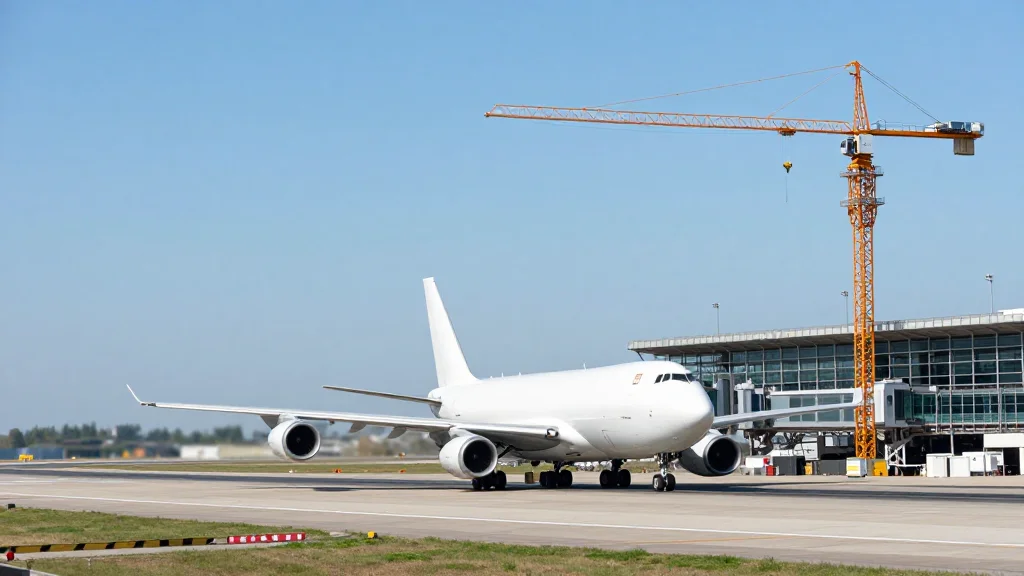
Africa’s Biggest Airport Is Being Built in Ethiopia for $12.5 Billion
Companies Mentioned
Why It Matters
The airport could transform intra‑African air travel and cargo flows, positioning Ethiopia as a continent‑wide hub, but its success depends on securing financing and managing social impacts.
Key Takeaways
- •Bishoftu aims for 110 M annual passengers, surpassing Atlanta
- •Ethiopian Airlines contributes $3.75 B, seeks $8 B additional funding
- •Design by ZHA incorporates Rift Valley motif and solar sustainability
- •Displacement of 15,000 residents prompts $350 M resettlement plan
Pulse Analysis
Africa’s aviation market is one of the fastest‑growing sectors globally, yet the continent remains fragmented, with many travelers forced to connect through Europe or the Middle East. Bishoftu International Airport is designed to reverse that trend by offering a dedicated hub that can handle up to 110 million passengers a year—enough to outpace the world’s busiest airport. By centralising connections in Addis Ababa, Ethiopian Airlines hopes to capture both passenger and cargo traffic, leveraging the African Continental Free Trade Area’s push for deeper intra‑regional trade. The airport’s capacity will also support the projected 15‑16% year‑on‑year freight demand growth that outpaces the global average, positioning Ethiopia as a logistics gateway for the continent.
Financing the $12.5 billion venture remains the project’s biggest hurdle. Ethiopian Airlines has pledged roughly $3.75 billion, but the remaining $8 billion must be secured from a mix of sovereign lenders and private investors, with the United States, China and Italy currently in talks. The involvement of Zaha Hadid Architects adds a premium design element that could attract premium airlines and tourism, while sustainability features—solar panels, locally sourced materials, and a storm‑water wetland system—address growing environmental scrutiny in aviation. However, the $350 million resettlement package for 15,000 displaced residents underscores the social license challenges that can delay or derail large infrastructure projects.
Regionally, Bishoftu joins a wave of new African airports, from Rwanda’s $2 billion Bugesera to upgrades in Casablanca and Nairobi, intensifying competition for hub status. The African Union’s Single African Air Transport Market (SAATM) aims to liberalise routes, potentially boosting traffic by up to 141% and cutting fares by 35%. If Ethiopia can align its hub ambitions with SAATM’s integration goals and resolve community grievances, Bishoftu could become the continent’s answer to Dubai or Doha—offering seamless connectivity, cargo capacity, and a showcase of African design and sustainability.
Africa’s biggest airport is being built in Ethiopia for $12.5 billion
Comments
Want to join the conversation?
Loading comments...