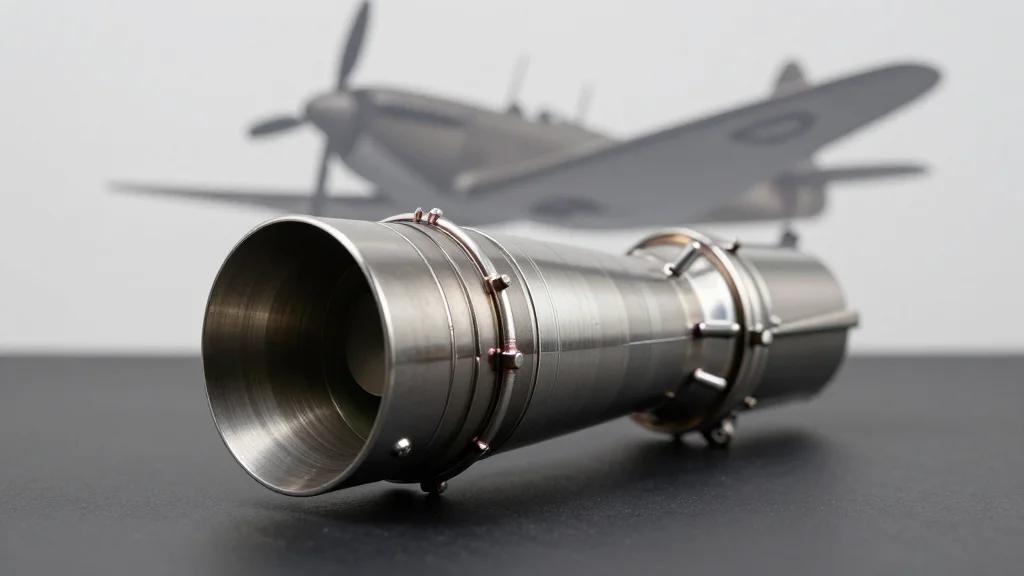
AIAA Associate Fellow Senneff Died in March 2026
Companies Mentioned
Why It Matters
Senneff’s injector innovations powered the majority of early U.S. space missions, directly influencing America’s lunar and reconnaissance capabilities. His career bridges historic wartime aviation and modern aerospace engineering, highlighting the long‑term impact of veteran expertise on national security and space exploration.
Key Takeaways
- •John Senneff flew 74 WWII combat missions in P‑47s.
- •Designed injectors for Bell Agena engine, powering 361 spacecraft.
- •Agena engine enabled first U.S. Moon, Venus, Mars missions.
- •Contributed to Apollo Lunar Module Ascent Engine development.
- •Taught aerospace design at University at Buffalo after retirement.
Pulse Analysis
John Senneff’s journey from a 20‑year‑old P‑47 pilot over war‑torn Europe to a senior propulsion engineer exemplifies the post‑World War II talent pipeline that fueled America’s aerospace boom. After completing an aeronautical engineering degree at the University of Illinois, he joined Bell Aircraft in the early 1950s, where his hands‑on experience with missile water‑testing translated into a deep understanding of high‑energy fluid dynamics. This blend of combat grit and technical acumen positioned Senneff to tackle the complex injector challenges that would define the United States’ early space launch capabilities.
The Agena upper‑stage, built around the Bell “Hustler” engine that Senneff refined, became the workhorse of the 1960s space program, delivering more than half of U.S. payloads to orbit between 1960 and 1970. His injector designs powered 361 launches, including the first American missions to the Moon, Venus and Mars, as well as the Gemini‑Agena target vehicles that proved rendez‑and‑dock techniques essential for Apollo. The engine also supported over 200 Corona reconnaissance satellites, providing critical intelligence during the Cold War and underscoring the strategic value of reliable propulsion systems.
In the 1970s Senneff turned his expertise to the Lunar Module Ascent Engine, ensuring the critical “liftoff” component of the Apollo landings functioned flawlessly, and later to the Minuteman III post‑boost propulsion system that remains a cornerstone of the U.S. nuclear triad. After retiring from Bell in 1987, he shared his knowledge as a capstone aerospace design professor at the University at Buffalo, influencing a new generation of engineers. His lifelong dedication to flight—whether soaring gliders or instructing pilots—cements his legacy as a bridge between historic aviation and modern space exploration.
AIAA Associate Fellow Senneff Died in March 2026
Comments
Want to join the conversation?
Loading comments...