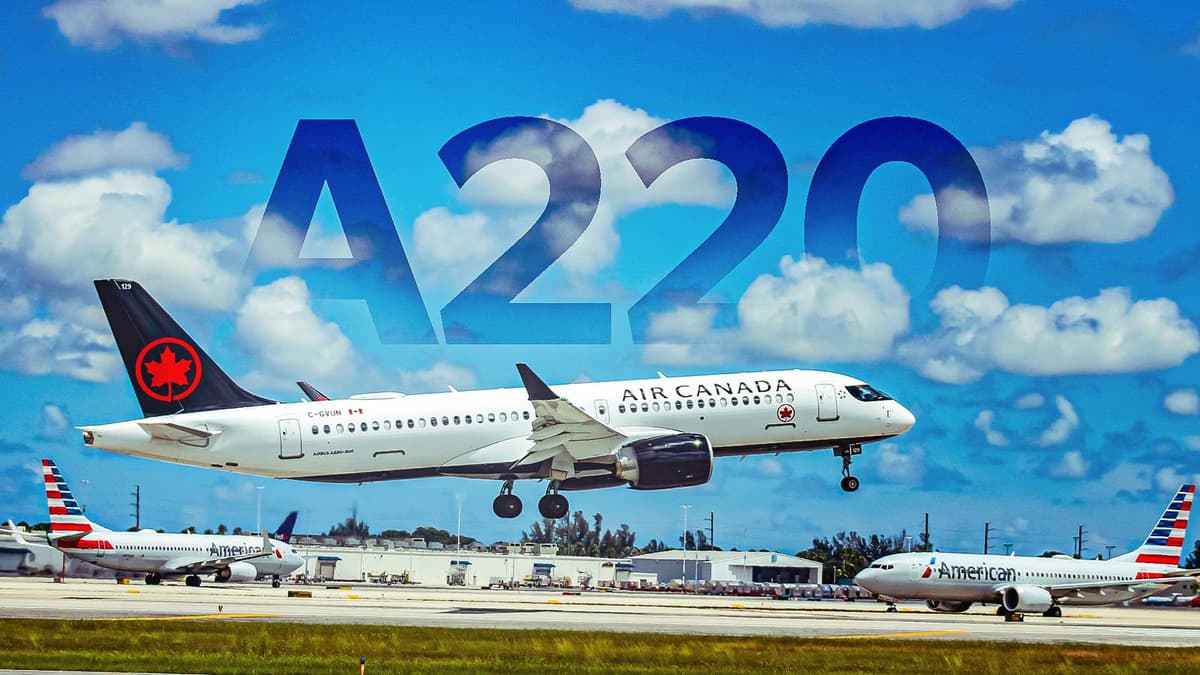
Air Canada Cancels Seasonal Flights Between Montreal & Seattle 2 Months Before Resumption
Companies Mentioned

Why It Matters
The move underscores how geopolitical friction and consumer boycotts are reshaping North American airline networks, eroding capacity to U.S. leisure markets.
Key Takeaways
- •Montreal‑Seattle nonstop canceled before launch
- •27 daily flights each way planned, 3,700 seats May
- •Travelers now forced to connect via Canadian hubs
- •Canadian‑U.S. travel down 24% YoY
- •Air Canada expects 10% capacity drop to U.S.
Pulse Analysis
The abrupt cancellation of the Montreal‑Seattle seasonal route highlights the volatility of airline planning in a politically charged environment. Air Canada had earmarked the Airbus A220‑300 for near‑daily service, projecting close to 3,700 seats in May and slightly fewer in June. By pulling the plug before the first flight, the carrier not only loses a potential revenue stream but also forces passengers onto its hub network, increasing load on connecting flights through Vancouver, Toronto, and Chicago.
Underlying the decision is a simmering Canada‑U.S. travel dispute that began in 2025, when a wave of Canadian consumer boycotts targeted American goods and tourism amid trade‑war rhetoric. Airlines such as WestJet and Air Transat have already reduced or eliminated U.S. services, and Air Canada anticipates a 10% capacity contraction to American leisure destinations. The broader industry impact is evident in the 24% year‑over‑year decline in cross‑border travel, prompting carriers to reassess route profitability and exposure to geopolitical risk.
For the airline sector, the fallout signals a strategic shift toward consolidating traffic through established hubs rather than expanding point‑to‑point leisure routes. This realignment may accelerate investments in larger aircraft for high‑density corridors while deprioritizing marginal markets susceptible to political backlash. As North American travelers recalibrate preferences, airlines that can swiftly adapt network configurations and leverage hub connectivity will be better positioned to maintain load factors and protect margins in an uncertain trade climate.
Air Canada Cancels Seasonal Flights Between Montreal & Seattle 2 Months Before Resumption


Comments
Want to join the conversation?
Loading comments...